Douglas Lumsden, the newly elected Member of Parliament for Aberdeen South, has clarified his position on North Sea energy policy and net zero targets, advocating for a diverse energy mix while criticising aspects of current government strategy and the Reform party's broader environmental stance.
Speaking on the sidelines of a Westminster event on Wednesday, Mr Lumsden stated he would not fully align with Reform UK's approach to renewables in the North Sea. His comments came the day before Reform UK hosted an event for business leaders as part of its annual party conference.
While sharing Reform's desire to resume oil and gas licences, Mr Lumsden distanced himself from their proposals to "revoke all net zero legislation" and cancel "green levies."
"We need our energy mix," Mr Lumsden stated. "It’s not a binary choice – oil and gas or renewables. There’s space for everything. There should be renewables. There should be oil and gas. There should even be nuclear in that mix."
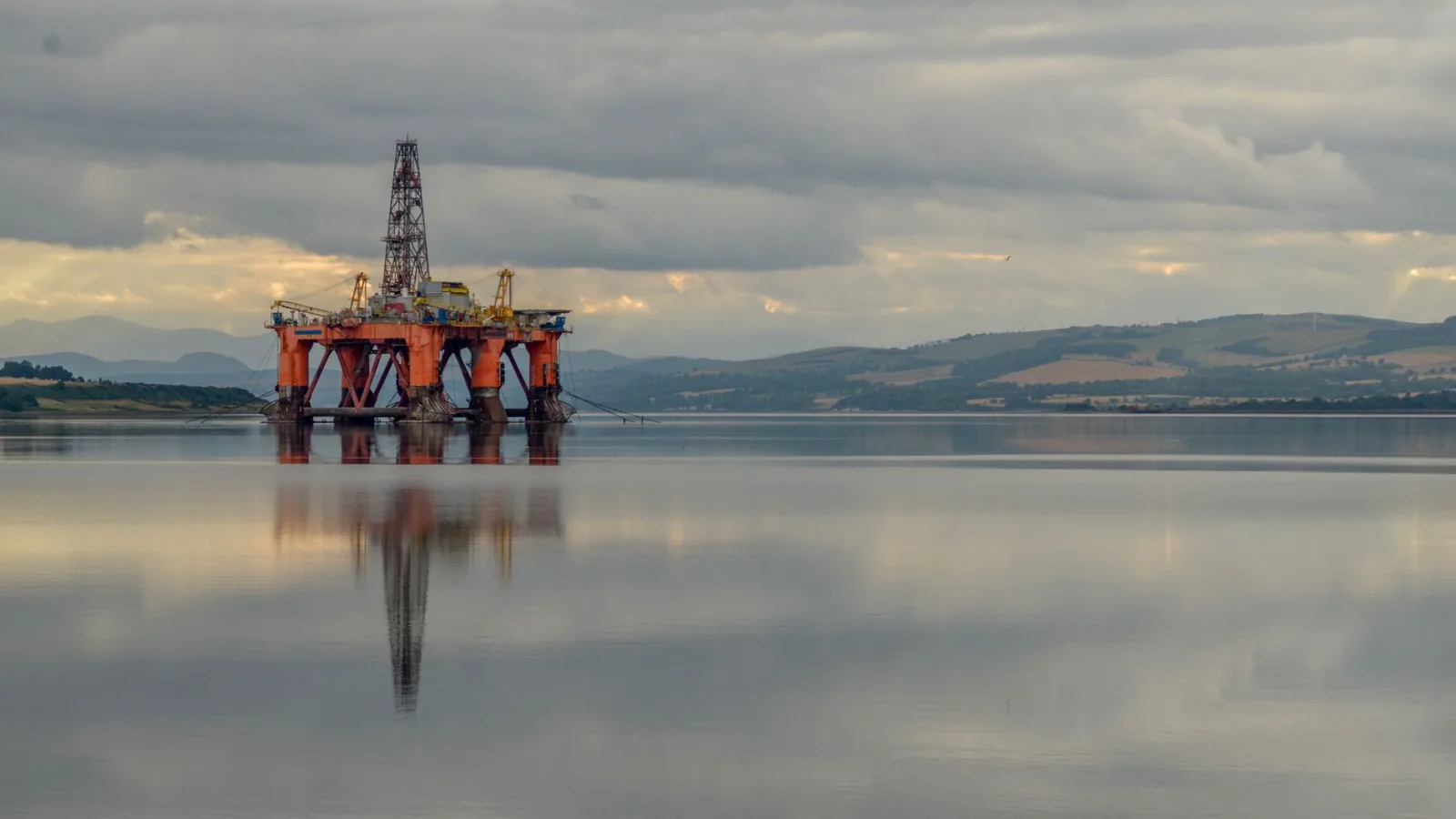
The Aberdeen South MP, who supports continued drilling for oil and gas in the North Sea, suggested that a diverse energy mix could facilitate a faster transition to net zero. "But the way we’re going just now, of actually shutting down the oil and gas industry, is having such a damaging impact to jobs, and also to the energy industry, and we need to change that as soon as possible," he said.
Mr Lumsden highlighted the economic importance of the oil and gas sector to the North East of Scotland. "As a north-east MP, I know exactly the value of the oil and gas sector to the area, and for me it’s only common sense that while we’ve still got a need for oil and gas, we try and produce as much of it as possible," he explained.
He further argued for the environmental benefits of domestic production. "In this country, it’s important for our jobs. It’s important for the money going into the exchequer and… also makes common sense for the environment." According to Mr Lumsden, imports typically carry a "higher environmental footprint" compared to domestically produced oil and gas.
In line with this, Mr Lumsden called for the approval of new projects, including Rosebank and Jackdaw, and a greater number of future projects. "I think we should approve much more projects, because we need a pipeline of projects to support the supply chain going forward and support the thousands of jobs around the North East of Scotland that depend on them," he added.
Despite his advocacy for a diverse energy strategy, Mr Lumsden expressed scepticism regarding Scotland's ambition to achieve net zero by 2045, a target previously set by former First Minister Nicola Sturgeon. "I haven’t seen anything from the SNP government that sets out actually a pathway to reach net zero by 2045," he commented, adding that "there is no credible path to reach that net zero target."
He also criticised the Scottish National Party (SNP), stating they "don’t give two hoots about jobs in the oil and gas industry," referencing Ms Sturgeon's description of job promises from projects like Jackdaw and Rosebank as a "con." Mr Lumsden suggested this stance contributed to the SNP's defeat in the Aberdeen South by-election, where he was elected in June.
Mr Lumsden outlined his top three priorities as an MP. These include urging the Labour party to reconsider its stance on North Sea licences, ensuring the approval of projects such as Rosebank and Jackdaw, and advocating for the abolition of the Energy Profits Levy (EPL).
"Once we get rid of all those three things, we can actually support jobs in the North East," Mr Lumsden asserted. He concluded that these measures would "enable us to reach net zero at a much greater pace, because we need the oil and gas industry involved in the transition to net zero, we can’t just switch off all those jobs. We need to have a managed transition going forward."