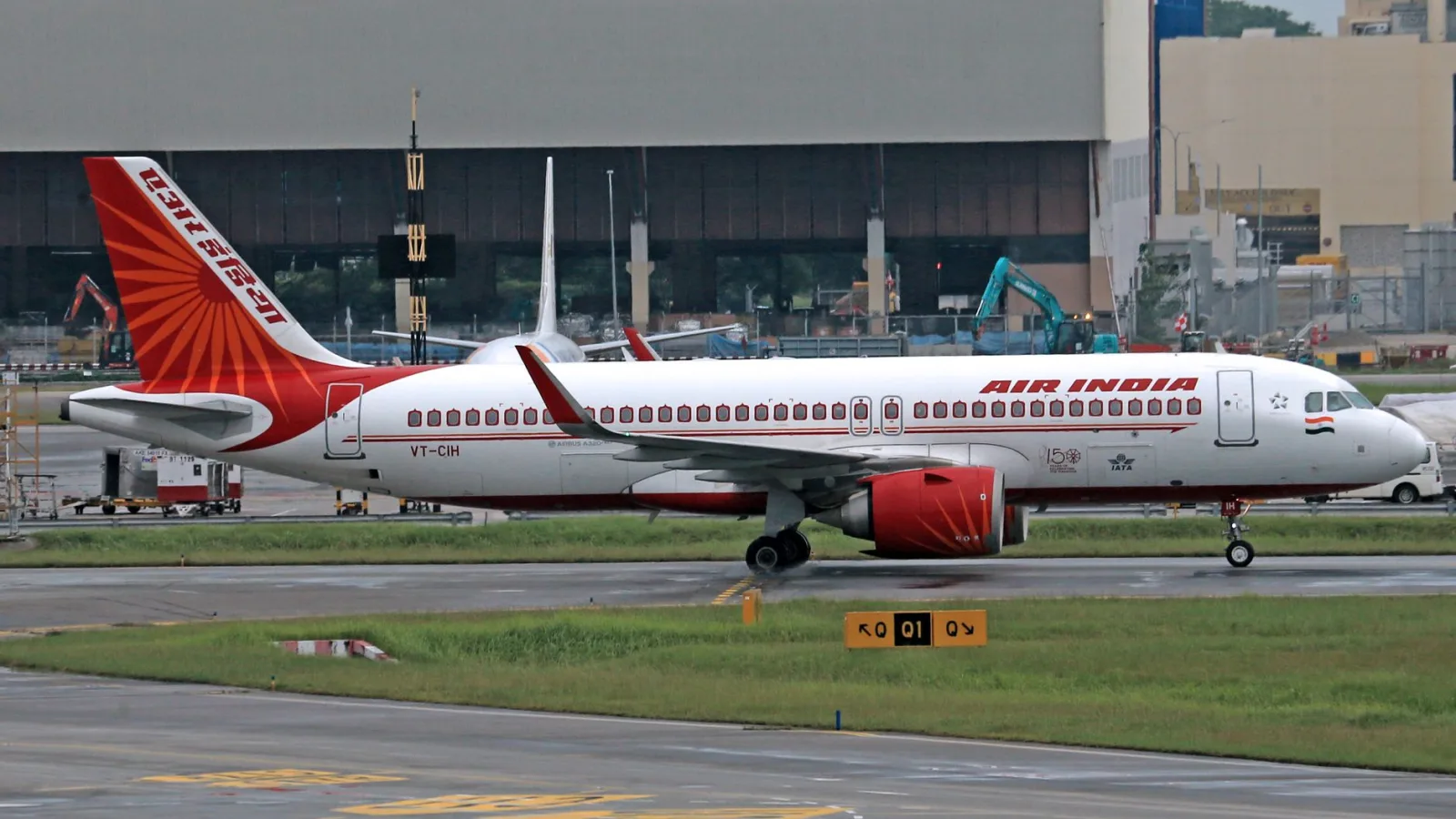
Air India is implementing mandatory testing for all its pilots for banned substances, effective immediately. The move comes as the airline seeks to bolster safety standards and reassure passengers following a recent in-flight incident and amidst ongoing scrutiny.
The national carrier announced that the new policy will apply to all pilots, including those at its budget subsidiary, Air India Express, with tests for the latter beginning on Thursday. This initiative marks a significant expansion beyond the existing regulatory requirement for Indian airlines, which mandates random substance testing for at least 10% of pilots.
The decision follows an incident last week involving an Air India flight from Phuket to Delhi, which experienced a sudden loss of altitude shortly after departure on 4 August. The Airbus A320 lost approximately 91 metres (300 feet) in height, resulting in injuries to 17 passengers and crew members.
A preliminary report into the incident indicated that the senior pilot on the flight had to retake their substance test. Reports further suggest that this pilot had initially tested positive for marijuana. Both pilots involved in the Phuket-Delhi flight have been removed from duties pending the completion of an investigation, which is being conducted by Indian authorities in collaboration with Airbus and France's air safety agency.
In a memo reviewed by the BBC, Air India stated its intention to "go further" in its testing protocols. The airline's statement emphasised: "This initiative, which goes beyond regulatory requirements, reflects our determination to uphold the highest standards of safety and professionalism, and to provide reassurance to our passengers, stakeholders and the community at large."
The comprehensive testing regime will cover a range of banned substances as well as medications prohibited under aviation regulations. These tests are scheduled to be carried out at various locations, including Air India's training academy, briefing centres, and administrative offices.
The airline has faced heightened scrutiny in recent times, notably after a June 2025 flight from Ahmedabad to London crashed shortly after take-off, resulting in the deaths of 241 people on board and 19 on the ground. Only one passenger survived that incident, the investigation into which continues to raise questions.
The new policy also coincides with a leadership change at Air India. Tewolde Gebremariam, formerly the chief executive of Ethiopian Airlines, was appointed as Air India's new chief executive last week. He takes the helm as the airline navigates both financial and safety challenges.
The move to universal pilot testing underscores Air India's commitment to enhancing its operational safety framework as it addresses both specific incidents and broader concerns about its safety record.