A new wave of food safety enforcement in Maharashtra, India, has transformed a previously little-known civil servant into an unexpected social media figure, while simultaneously drawing both widespread public support and sharp criticism from the hospitality industry.
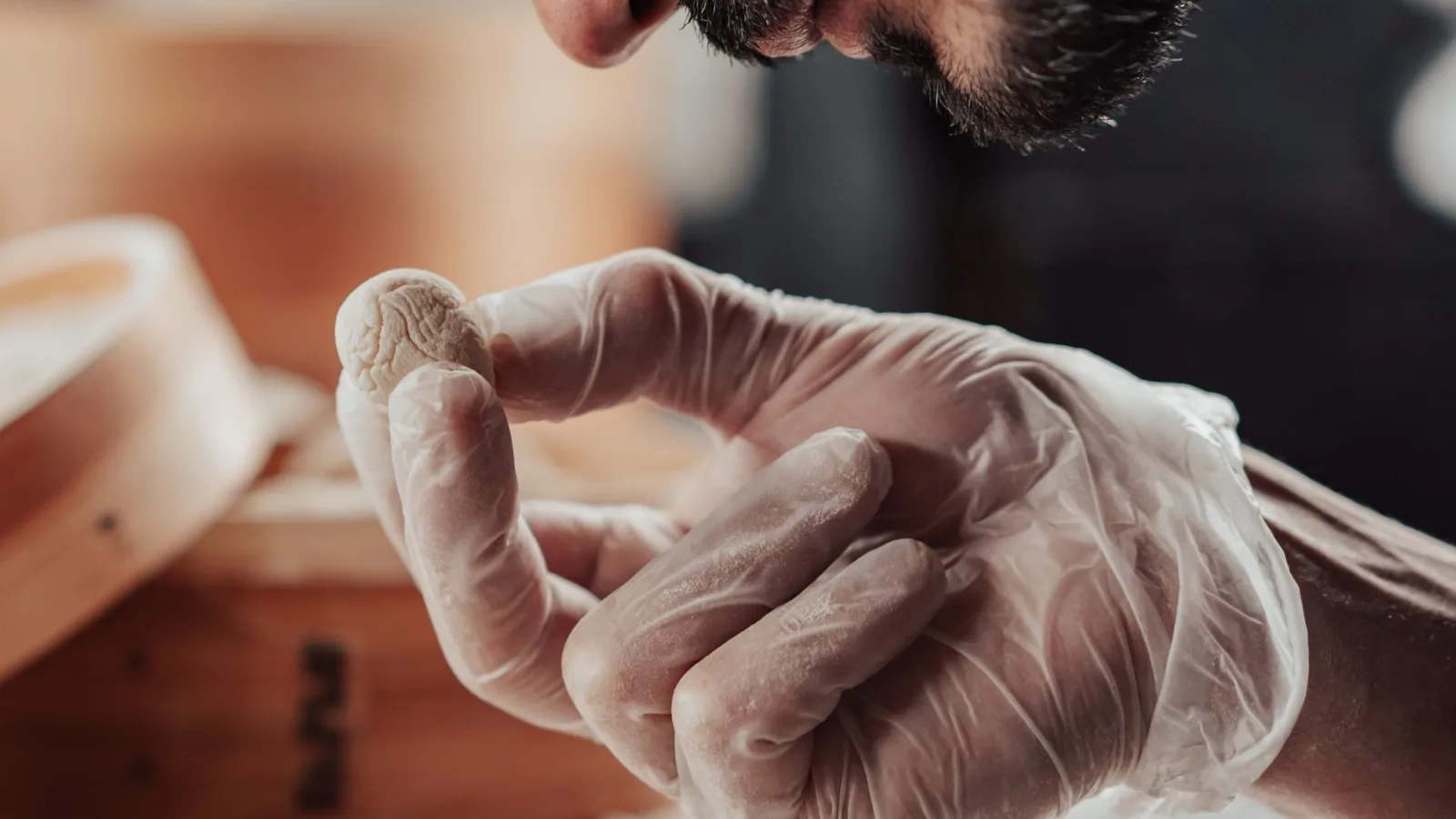
Tukaram Mundhe, 51, who took charge as Maharashtra's food commissioner in May, has spearheaded an aggressive campaign of inspections across the state, uncovering unsanitary conditions in various establishments, from local cafes to exclusive members-only clubs in Mumbai, India’s financial capital. Photos and videos documenting cockroaches, spider webs, rotting produce, and pest infestations have circulated widely on social media since the crackdown began.
The Maharashtra Food and Drug Administration (FDA), under Mr Mundhe's leadership, has conducted thousands of inspections, with the commissioner stating that food safety laws must be rigorously applied irrespective of a business's size, influence, or reputation. By the end of July, the department had carried out over 3,100 inspections, a figure Mr Mundhe expects has since surpassed 4,000. These efforts have resulted in the suspension of approximately 300 licences and the issuance of more than 1,000 improvement notices. A new complaints portal, launched to facilitate public engagement, has reportedly received over 16,000 complaints within its first three months.
"These actions are taken in public health interest. We will continue to take them against violations," Mr Mundhe told the BBC, explaining the rationale behind the enforcement drive.
Beyond traditional restaurants and cafes, the campaign has seen the suspension of licences for several quick-commerce warehouses. Notices have also been sent to Bollywood celebrities regarding advertisements suspected of indirectly promoting restricted products, a move underscoring the broad reach of the new commissioner's mandate.
The high visibility of these enforcement actions, often documented and shared online, has made Mr Mundhe a recognisable figure across India, a rare occurrence for a civil servant. Videos of his inspections and press briefings have gone viral, with reels and podcasts contributing to his status as an unlikely celebrity, boasting over 3.8 million followers on Instagram.
Mr Mundhe's confrontational approach and the accompanying public scrutiny are not new to his career. An officer in the Indian Administrative Service with over two decades of experience, he has a reputation for frequent transfers, reportedly exceeding his years in service, a detail he declined to confirm to the BBC, stating he had "stopped counting" them. Admirers view these transfers as proof of his uncompromising style, while critics suggest his approach has often put him at odds with colleagues and elected representatives. In the past, he has been commended for his management of the Covid pandemic in Nagpur and for his work on water conservation in drought-prone regions of Maharashtra. When he was transferred from Nagpur during the pandemic, "thousands showed up outside his home to bid him farewell. It took him an hour just to reach his car," according to Shafi Pathan, a journalist who has written Mr Mundhe's biography.
The urgency of Mr Mundhe's campaign is set against a backdrop of significant food safety challenges in India. Data presented to the parliament in July indicated that nearly one in five of 223,808 food samples tested across India were found to be "non-conforming" – meaning they were either unsafe, substandard, or mislabelled.
Pawan Agarwal, former chief of India's food regulator, noted the change Mr Mundhe has brought. "Hygiene has always been a problem here," Mr Agarwal told the BBC. "What Mundhe has done differently is make it visible." This visibility, he added, has garnered positive responses from consumers, who, unlike in the conventional system where food safety cases can take years to resolve, are now witnessing enforcement actions play out publicly.
However, not all reactions have been positive. The food industry, in particular, has expressed reservations. Restaurant associations have alleged that Mr Mundhe's department is bypassing statutory processes, while some courts have characterised certain actions as "high-handed." Under India's food safety laws, businesses are typically granted time to rectify violations before regulators proceed with licence suspension or cancellation. Immediate suspension is generally reserved for urgent public health situations and requires clear, recorded justifications.
Niranjan Laxman Shetty, legal chairman of the Indian Hotel and Restaurant Association, articulated the industry's concerns. "While compliance is non-negotiable, high-handed approaches – like public naming-and-shaming, instant suspensions over minor procedural or rectifiable issues and treating administrative oversights with harsh penal measures – create panic rather than reform," he stated. Some businesses have publicly claimed they were shut down over minor infractions without prior warning or an opportunity to make improvements.
Mr Mundhe's actions have also faced legal challenges. In some instances, courts have overturned licence suspensions, ordered compensation for affected businesses, and criticised the regulator's methods. For example, in August, the Bombay High Court ordered Mr Mundhe's department to pay 500,000 rupees (approximately £3,893) in compensation to a sweets shop whose licence remained suspended despite a reinspection finding it 98% compliant with regulations. The court acknowledged the regulator's intentions as "laudable" but concluded that it had "gone overboard." The judges also raised a pertinent question regarding the equitable application of scrutiny, asking whether government establishments were being subjected to the same level of inspection as private businesses.
Responding swiftly to this judicial criticism, Mr Mundhe's team inspected canteens within the state's high court complex within a day, flagging violations, a move he presented as evidence that the regulations apply universally. "Had the food business operators or establishment complied with existing regulations, I would not be needed to take those actions," Mr Mundhe asserted to the BBC. He further clarified his department's objective: "We are not here to close down or suspend every licensee. We are here to ensure food is safe, food is not substandard, it is not misbranded and it is good for consumption."
The crackdown extends beyond restaurant inspections, which often dominate social media. Mr Mundhe’s department has enforced bans on the use of newspapers for food wrapping, synthetic dyes, and analogue paneer – non-dairy cottage cheese substitutes. The focus has now broadened to schools, with canteens, hostel kitchens, and midday meal suppliers mandated to obtain proper licences. Furthermore, the sale of food high in fat, sugar, or salt has been prohibited within 50 metres of schools.
Despite the immediate impact, questions remain regarding the long-term sustainability of such an individual-led enforcement drive. Mr Agarwal cautioned, "The efforts of Mundhe have created a nationwide awareness about food safety, both amongst businesses and consumers, which is desirable – but not sustainable." He emphasised that the enduring challenge lies in establishing systemic frameworks that can operate effectively beyond the tenure of any single officer.
Nevertheless, the immediate effects are tangible. Yuvraj Yadav, a sandwich vendor in a Mumbai suburb, confirmed that he ceased using discarded newspapers for wrapping his products, a common practice despite concerns about chemical leaching from ink. He recently switched to greaseproof paper after becoming aware of the ban. "We started this a few months ago after newspapers were not allowed for packing as it's bad for health," he explained.