Prime Minister Andy Burnham has called for wealthier areas across the UK to accommodate a greater share of asylum seekers, arguing that the current system places an undue burden on less affluent communities. His remarks come amidst ongoing public debate and protests concerning government plans to house asylum seekers on former military sites.
Speaking to GB News on Tuesday, Mr Burnham stated: "We cannot have a situation where it's only the poorest communities in the country that receive all of the dispersal of refugees and asylum seekers."
His comments were made in response to questions about protests in Piddington, Oxfordshire, where residents have voiced opposition to proposals for housing asylum seekers at a nearby former military base. Residents of Piddington have reportedly voted to stage a symbolic referendum on leaving the UK in response to these plans.
Mr Burnham acknowledged the local concerns, saying: "I don't know the issue yet in detail, but in some ways, as I understand it, it is about creating secure space." He added: "We understand people's concerns and I will look into the issues raised by the good people of Piddington." Despite this, the Prime Minister emphasised the need for a collective national effort: "I do believe all parts of the country need to work, to play their part."
The Prime Minister's stance aligns with a broader government commitment to reforming the asylum accommodation system. Labour has pledged to cease the use of asylum hotels, which have become a significant cost to the public purse and a flashpoint for anti-migrant demonstrations. In their place, the government has sought to utilise alternative, secure sites, including former military bases, student accommodation, and disused industrial premises. In June, plans were announced to open three more such sites, including one near Bicester, Oxfordshire, which has also prompted local protests.
Immigration Minister Anna Turley elaborated on the government’s progress and rationale during an appearance on BBC Breakfast on Wednesday morning. Ms Turley stated that the number of hotels used for asylum accommodation had reduced from a peak of 400 under the previous Conservative government to 160 under the current Labour administration. She committed to closing all remaining asylum hotels by 2029.
According to Ms Turley, the shift from hotels to alternative sites has already generated substantial savings, with an estimated £1 billion saved. She underscored the principle of fairness in the new approach. "I think this is about fairness and we won't be asking anybody to take more than they can, and we won't be asking anyone to take more than their fair share," she said.
Ms Turley highlighted past disparities in the distribution of asylum seekers, noting: "What we've seen in the past is places like Blackpool, and other communities around the country where housing is perhaps cheaper and more plentiful, have had to take more than their fair share of asylum seekers." She explained that this concentration had placed "a huge burden on local communities and created real civil unrest," and that the government aims to manage the system more effectively to reduce such impacts. "It's important that everybody plays their fair share in that, and it's about making sure that no one community is more over-pressured or overburdened than others," Ms Turley concluded.
The Prime Minister's recent comments and the government's policy shift drew swift criticism from the opposition. Shadow Home Secretary Chris Philp rejected the premise of housing asylum seekers in the UK altogether, regardless of the wealth of the area. Responding to Mr Burnham’s remarks, Mr Philp stated: "We shouldn't be housing illegal immigrants anywhere – wealthy or not."
Mr Philp reiterated the Conservative Party's policy of leaving the European Convention on Human Rights (ECHR) to facilitate the deportation of migrants. Writing on X, he asserted: "Andy Burnham just doesn't get it. Illegal immigrants should all be deported within a week of arrival - to their country of origin or a safe third country like Rwanda."
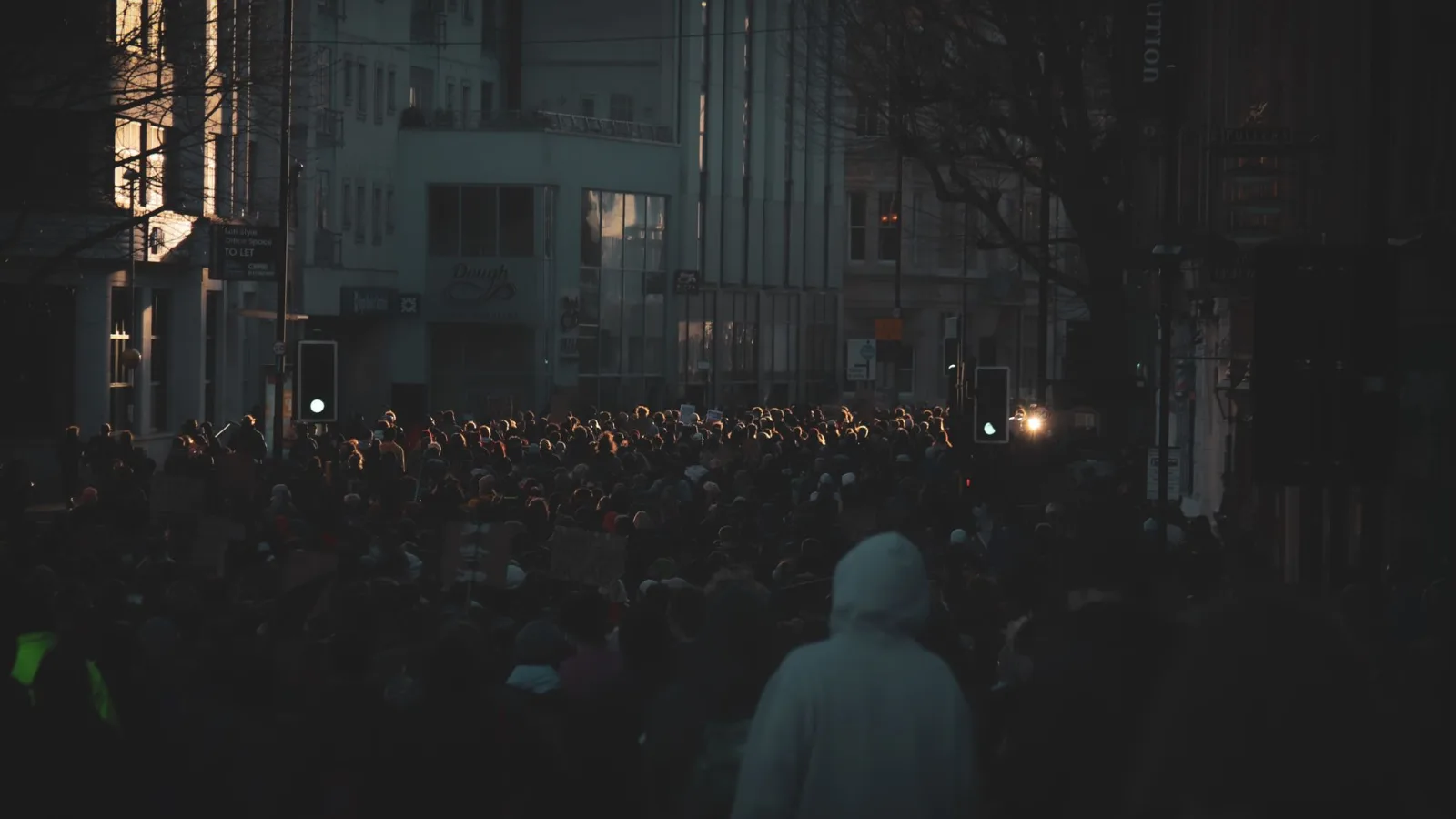
The national debate over asylum accommodation has been accompanied by a series of anti-immigration demonstrations. Last week, protests in Thetford, Norfolk, saw individuals attempting to enter properties believed to be housing asylum seekers.
Government statistics provide context to the scale of asylum support in the UK. At the end of March, there were 97,519 people receiving asylum support. Of these, 20,885 were accommodated in hotels. The majority, 72,768 people, were housed in other forms of accommodation, including "dispersal accommodation" – typically houses within communities. A further 3,866 individuals were receiving subsistence support only.
The geographical distribution of asylum seekers receiving Home Office support reveals concentrations in various regions. The North West of England had the highest number, with 19,578 individuals, followed by London (13,687), the West Midlands (11,969), and Yorkshire and the Humber (8,635).
When considering the proportion of supported asylum seekers relative to the overall population, the North East and North West of England showed the highest figures, with 26 and 25 supported people per 10,000 residents respectively. The local authorities with the highest absolute numbers of supported asylum seekers included Glasgow City (3,870), Birmingham (2,142), Liverpool (2,053), Coventry (1,712), and Belfast (1,607).
Prime Minister Burnham has a history of raising concerns about the equitable distribution of asylum seekers. In 2018, during his tenure as Mayor of Greater Manchester, he threatened to block the region from housing any further asylum seekers. At the time, he criticised the government's dispersal system, arguing that Greater Manchester's public services were struggling to support a "disproportionate" number of people compared with other parts of the country. Mr Burnham then noted that the North West of England was hosting 25% of the national population of asylum applicants requiring housing and support, with Greater Manchester alone accommodating 70% of the regional total. The then-Home Secretary, Sajid Javid, responded by pledging to work towards a fairer distribution.
The ongoing discussions highlight the complex challenges faced by the government in managing the asylum system, balancing humanitarian obligations with local community concerns and public finances.