Redwire subsidiary Space Microgravity Development has agreed to fly a dedicated microgravity research mission on SpaceX’s Starfall reentry vehicle, in a move that underlines growing commercial interest in pharmaceutical and biotech work in space.
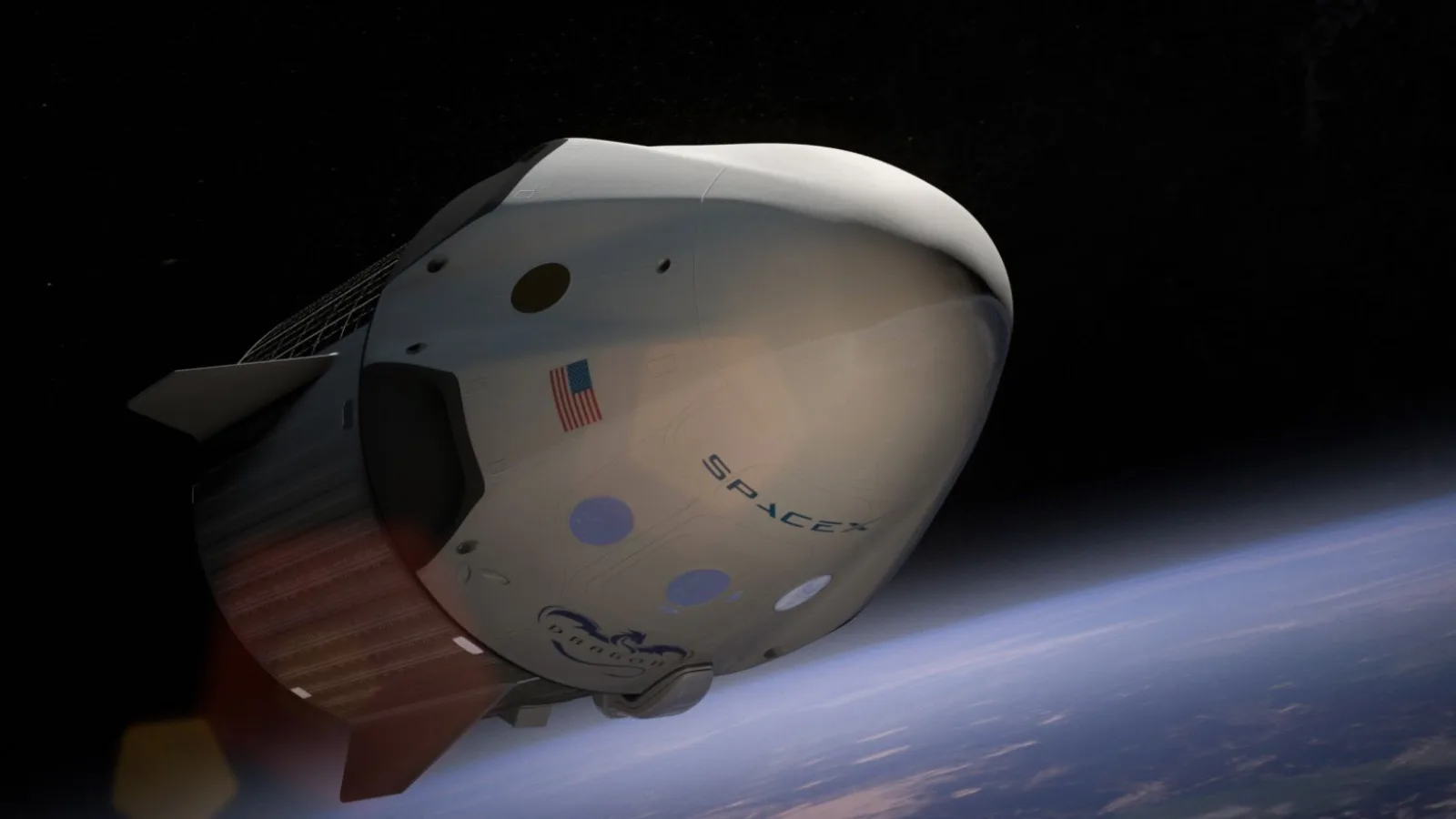
Space Microgravity Development, known as SpaceMD, announced on 6 August that it had purchased a dedicated Starfall mission scheduled for launch in late 2028. Starfall is SpaceX’s reentry vehicle, which made its first test flight in June.
The mission is expected to carry up to 32 of Redwire’s Pharmaceutical In-Space Laboratory experiment packages, known as PIL-BOX. The company said the payloads would be redesigned to make use of the capabilities offered by Starfall.
SpaceMD said it plans to use the mission for pharmaceutical research in microgravity, citing what it described as the “highly tailorable microgravity environment and mission duration” available through Starfall.
“Space-based pharmaceutical development is reaching an inflection point,” John Vellinger, chief executive of SpaceMD, said in a statement. “By combining our flight-proven microgravity payloads, such as PIL-BOX, with SpaceX’s innovative transportation capabilities, we’re dramatically expanding our ability to serve customers, increase research cadence and accelerate the creation of life-changing therapies.”
Redwire has flown 54 PIL-BOX systems to the International Space Station since 2023, with 12 more due to launch later this year. SpaceMD has used the systems to crystallise compounds for pharmaceutical research, an area where companies are exploring whether microgravity can support work that is difficult to conduct on Earth.
The Starfall agreement was also discussed by Peter Cannito, Redwire’s chairman and chief executive, during the company’s second-quarter earnings call on 6 August. “The unprecedented capabilities that SpaceX’s Starfall offers will dramatically accelerate our ability to deliver pharmaceutical, biotech and other in-space microgravity manufacturing capabilities,” he said.
Cannito said the planned SpaceMD flight would be the largest dedicated commercial microgravity research mission to date. “SpaceMD’s Starfall mission provides a major leap forward in scaling our microgravity capabilities. It’s a game changer,” he said.
SpaceMD is the first established microgravity research company to announce plans to use Starfall. SpaceX had said little publicly about the vehicle before its June test flight, although some technical details appeared in a Federal Aviation Administration environmental assessment published in May.
The agreement comes as companies in several countries pursue reentry spacecraft intended to support commercial microgravity research and manufacturing. Such vehicles are designed to carry experiments to space and return them to Earth, allowing researchers and customers to recover materials and analyse results after flight.
Several startups in the United States, Europe and Asia are developing reentry vehicles for similar markets. Most remain in development, but Varda Space Industries has flown six missions to date, several of which carried pharmaceutical payloads.
SpaceX’s move into the sector has attracted attention because of the company’s record in launch services. In the small satellite market, SpaceX rideshare missions have provided lower-cost access to orbit than many dedicated small launch vehicles, raising questions about whether Starfall could put pricing pressure on emerging reentry spacecraft providers.
Those startups have argued that SpaceX’s entry helps validate demand for microgravity research and manufacturing. They have also said they may be able to focus on niches that avoid direct competition with Starfall, including missions shaped by vehicle capacity or other spacecraft characteristics.
Redwire, however, has said Starfall is the right platform for its planned work. Cannito said: “With a platform partner like SpaceX’s Starfall, we are creating a new path to accelerate commercial microgravity manufacturing at scale.”
The planned 2028 mission gives Redwire and SpaceMD a dedicated route for scaling their PIL-BOX research beyond previous flights to the International Space Station. It also places SpaceX more clearly inside a developing market where pharmaceutical, biotech and materials research companies are assessing how repeatable access to microgravity could support commercial applications.