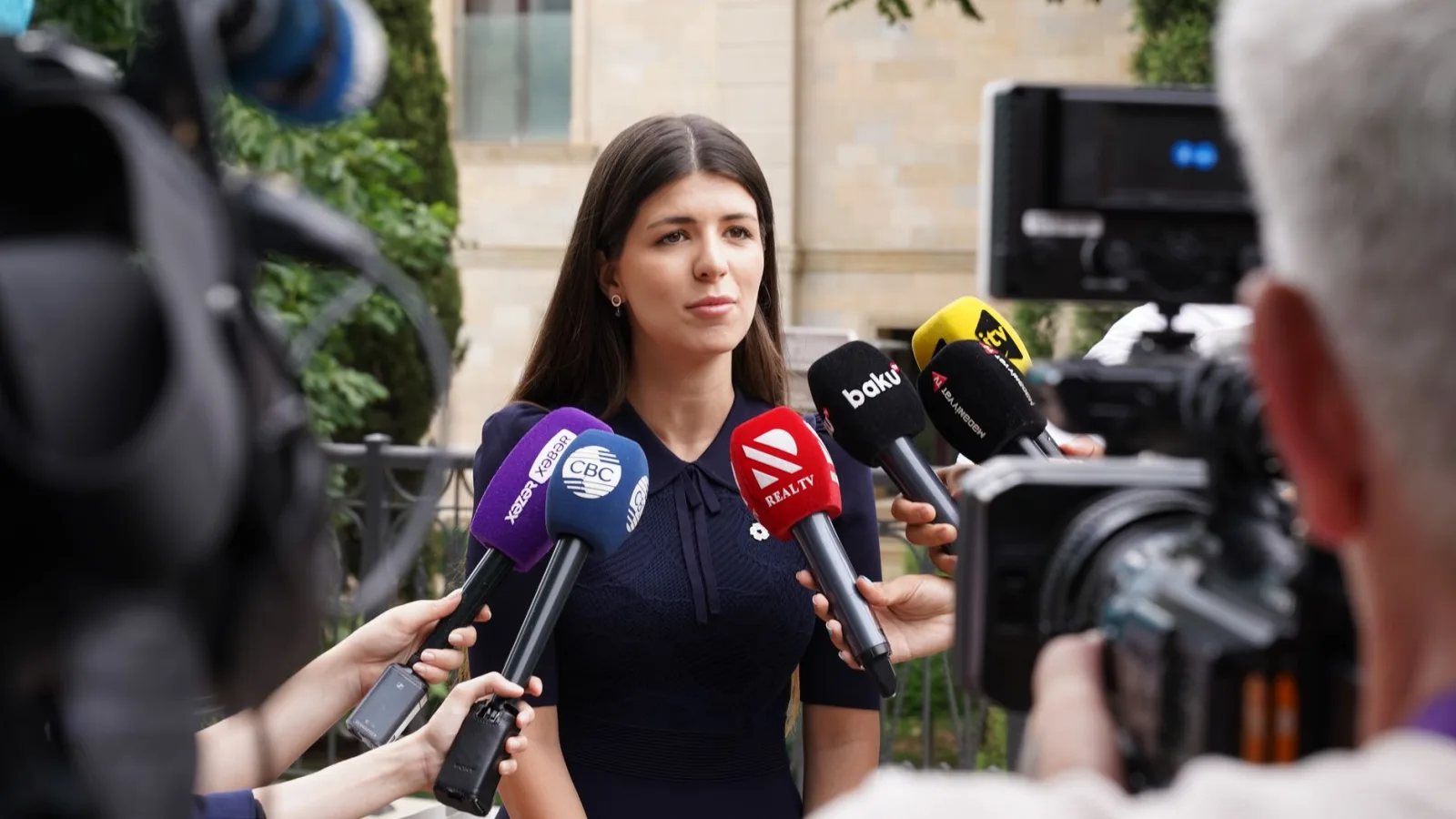
South Australia's premier, Peter Malinauskas, has announced a royal commission into artificial intelligence, saying the state must decide how the technology is deployed rather than allow it to develop "unregulated and unchecked".
Speaking at a press conference on Monday, Malinauskas said the commission would begin in October and report no later than 1 July 2027. It will examine the impacts, risks and opportunities of AI across education, industry, public health, and arts and culture.
The announcement follows a recent trip by the premier to the United States, where he met with AI industry leaders and signed a memorandum of understanding with OpenAI.
Malinauskas said South Australia needed to position itself at the forefront of the global debate on AI use, rather than simply being subject to decisions made elsewhere in the sector.
"I genuinely believe we are at a really important fork in the road where we can choose to allow this industry to come to our country and evolve in a way that is unregulated and unchecked, and we will be subject to the determinations it makes, rather than the other way around, or we can choose to set the agenda," he said.
He compared the government's approach to its previous stance on social media regulation, saying: "The Labor government I lead has a record of stepping up and protecting young people when it comes to social media, and this is no different. We are looking to embrace the opportunity of AI, but not in a way that leaves us with regrets."
The premier said the more pressing conversation was about how AI would be used in society, rather than where physical infrastructure such as data centres might be built.
"Never before in human history have we contended with a world where there is something that's smarter than us. Now we have it, and its intelligence is only going to increase at warp speed over the course of the next two years alone. That will change everything, and we need to make sure that what it changes is done on our terms for the interests of people," Malinauskas said.
A significant focus of the inquiry will be how AI is used by children and young people in schools. Malinauskas said the state faced a delicate balancing act in preparing students for an AI-driven labour market while ensuring they retained fundamental skills.
"Clearly we cannot afford a situation where a child comes out of school not knowing how to use AI. That would render them potentially redundant in a new modern labour market," he said. "But simultaneously we can't have children leaving school not knowing how to do calculations for themselves without AI and getting the balance right about how AI is used in schools and how it isn't allowed to be used in schools."
The commission will also look at how AI is being implemented in government services and workplaces more broadly, examining its use across the public and private sectors.
The federal opposition's response to the announcement was mixed. The shadow industry minister, Andrew Hastie, said he welcomed the South Australian government's decision to examine AI but argued the issue would be better addressed by a national body rather than a state-based inquiry.
"I do think artificial intelligence has strategic, moral and economic implications for the Australian people. And it's really important that we look at this from a national perspective," Hastie said.
He called for the creation of a tripartisan federal parliamentary committee to examine the issue instead.
"I think it should be a tripartisan committee that should examine the issues. Take as long as they need to ask the hard questions, take as many public submissions as possible, and see what comes of that," he said.
The South Australian announcement comes amid growing debate in Australia over how governments should respond to the rapid uptake of AI tools, including in education. In New South Wales, the deputy premier, Prue Car, has separately asked the state's education standards authority to consider a ban on unsupervised take-home assessments as part of a wider review into AI's impact on student learning.
The South Australian government has not yet named who will chair the royal commission or detailed its full terms of reference, though further details are expected to be released before the inquiry formally begins in October.