The death toll in Japan from Typhoon Dujuan has risen to 10, with rescue teams continuing searches for four individuals who remain missing after the storm caused extensive damage and disruption across eastern regions of the country.
Authorities confirmed on Wednesday that a woman was found dead in Kanagawa Prefecture, while a man was discovered submerged inside his vehicle in Chiba Prefecture, east of Tokyo. These fatalities add to the six initial deaths reported in Chiba, which was identified as the worst-hit area after Dujuan made landfall.
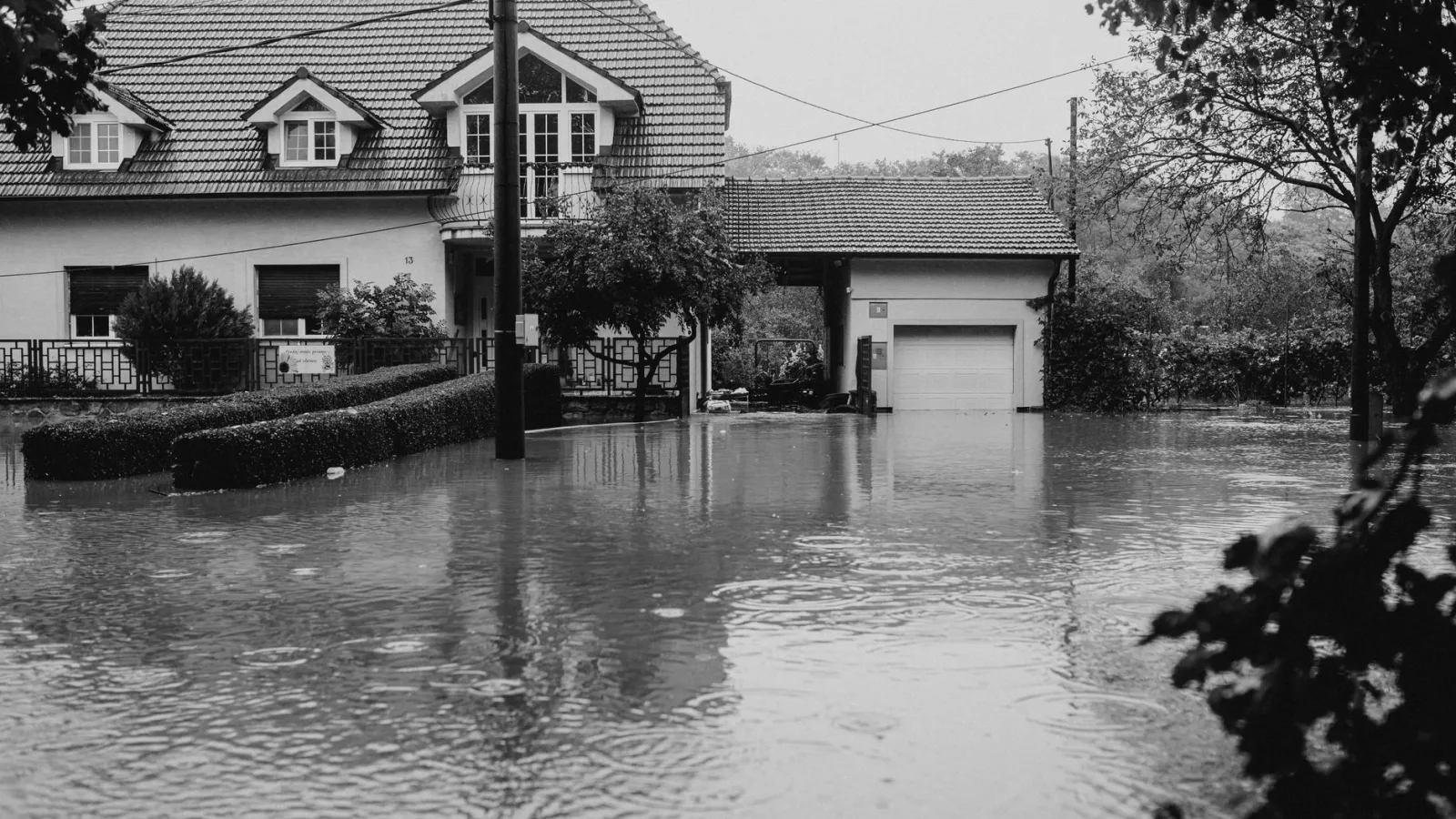
The typhoon, which coincided with Japan’s Silver Week autumn holiday, was downgraded to an extratropical cyclone late on Tuesday as it moved away from the Japanese archipelago. Before its downgrade, Dujuan delivered more than 20 inches (approximately 508mm) of rain in parts of eastern Japan, leading to severe flooding and landslides.
The Fire and Disaster Management Agency (FDMA) provided an update on Wednesday, stating that at least 22 people had sustained injuries. Local fire departments are maintaining active search and rescue operations, particularly at sites affected by landslides.
A comprehensive assessment by the FDMA indicated that a total of approximately 659 buildings were either completely or partially destroyed in the aftermath of the typhoon. The scale of the damage prompted authorities to issue evacuation orders for over 1.6 million people in and around Tokyo at the peak of the disaster, though most emergency safety measures have since been scaled back.
Further details emerged regarding the casualties. In Yokosuka city, Kanagawa Prefecture, a 64-year-old woman was pronounced dead after being extricated from her home, which had been engulfed by a mudslide. Just a kilometre away, a couple in their 70s were reported missing after their residence was also struck by a separate landslide.
In Chiba Prefecture, an area particularly devastated by the storm, a 51-year-old man died after falling into a bamboo grove. He was operating heavy machinery at the time, engaged in clearing mud and debris from a road in the city when the incident occurred.
Meteorological data highlighted the extreme rainfall brought by the weather system. Within a 48-hour period ending at 1:30 am on Tuesday, Oshima, part of Tokyo’s Izu island chain, recorded 832mm of rain – the highest amount on record for the area. Tokyo’s Edogawa Ward Rinkai area also experienced significant precipitation, with 325mm recorded over 48 hours on Tuesday.
In anticipation of the severe weather, the Japan Meteorological Agency had issued its highest-level landslide warning on Monday for several areas within the Izu Islands, including Oshima, as the intense rainfall threatened to overwhelm the region.
The typhoon also led to widespread power outages. By 9:45 am on Tuesday, nearly 48,320 households across Chiba, Kanagawa, Yamanashi, and Shizuoka prefectures were without electricity, according to the Tokyo Electric Power Grid.
Air travel was severely disrupted, with FlightAware, an aviation tracking website, reporting nearly 400 flight cancellations on Monday at Tokyo’s Haneda Airport, one of the busiest in the country. Narita Airport, the larger international hub situated in Chiba Prefecture, also saw over 100 flights cancelled.
The typhoon's impact extended to high-level international engagements. Prime Minister Sanae Takaichi’s scheduled departure for New York on Monday night, where she was due to attend the opening session of the United Nations General Assembly, was delayed as a direct consequence of the storm.
Several major international events being hosted in Japan also faced significant disruption. A T20I cricket match between India and Japan, scheduled for Tuesday, experienced weather-related issues. The Indian team was forced to abandon their practice session on Monday due to heavy rain, and the match itself was shortened to five overs per side.
Other significant events were either cancelled or altered. The annual Rock in Japan music festival called off its final day on Monday, while the Tokyo Game Show, one of the world's largest video game conventions, concluded its activities earlier than planned. The Asian Games, hosted by Japan in the Tokai region, also saw an equestrian competition postponed until Tuesday, as announced on its official website.