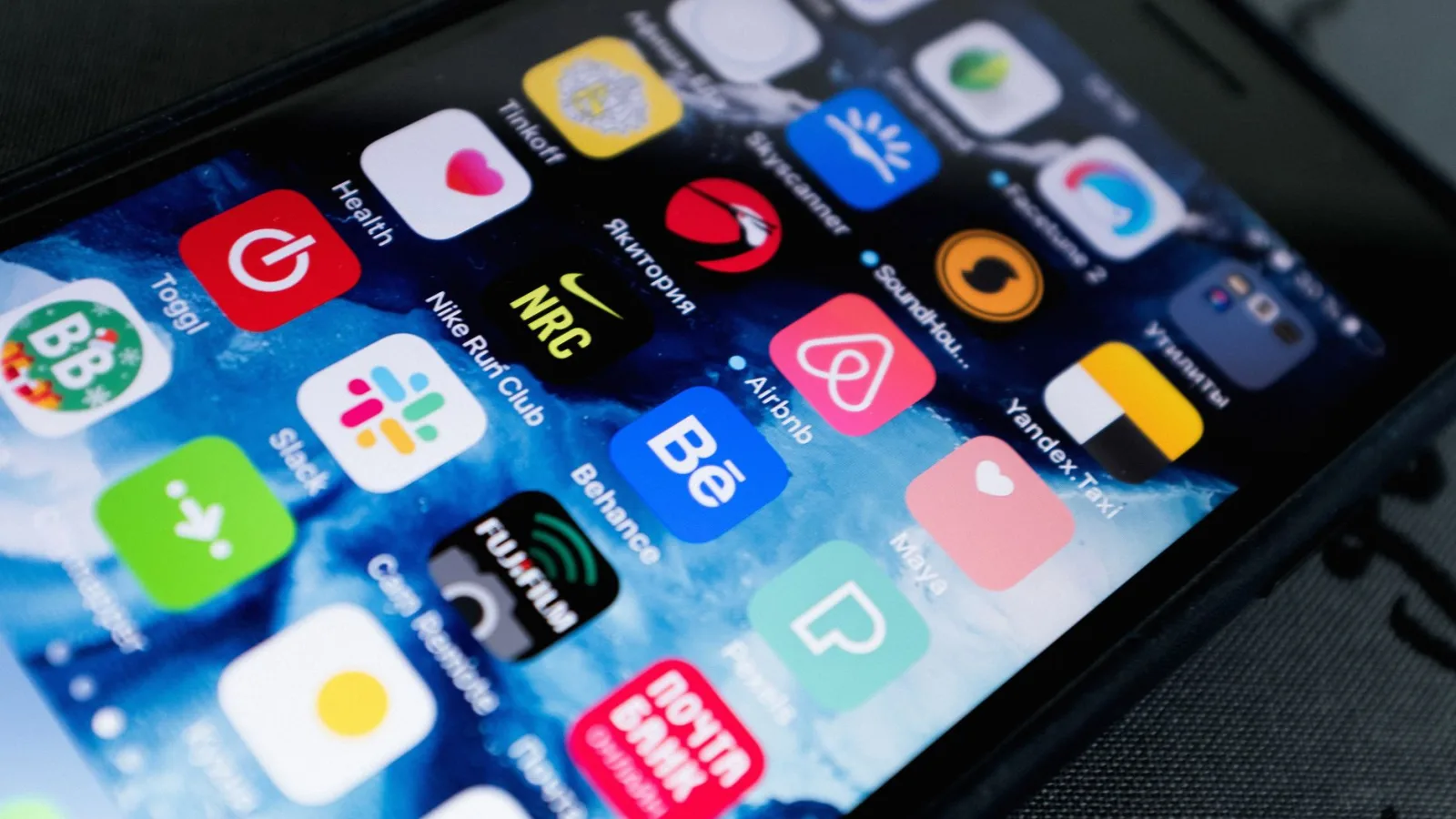
Airbnb has spent the past four years gradually reversing the marketing strategy that made it famous during the Covid pandemic, according to an analysis of the company's regulatory filings dating back to 2020.
The review, which examined every sales and marketing disclosure Airbnb has filed with the US Securities and Exchange Commission since 2020 alongside the company's public statements, found a pattern of spending that diverges from the low-marketing narrative Airbnb has continued to promote.
At the height of the pandemic, Airbnb slashed brand and performance marketing spending by 58% in 2020. At the time, the company publicly argued it could grow by reaching travellers earlier in their planning process rather than relying on paid search advertising, positioning itself as having moved beyond the need for costly marketing channels that had defined the online travel industry.
However, the filings show that search engine marketing, a channel Airbnb had pushed to the margins of its strategy, began growing again in 2022. By 2023, the disclosures were specifying the exact dollar amount search marketing was adding each quarter.
The rebuilding continued through brand campaigns in 2022 and 2023, with brand and performance marketing dollars surpassing 2019, pre-pandemic levels by 2023. The strategy then shifted again, with budget rotating from brand campaigns into search engine marketing during 2024 and 2025.
By the first quarter of 2025, search marketing spend was rising in the same disclosure that showed campaign spending being reduced elsewhere, indicating a reallocation of budget rather than an overall pullback.
This year, Airbnb's quarterly filings have attributed marketing growth directly to what the company calls "paid growth initiatives," including activity in emerging markets and partnerships. Brand and performance marketing rose 32% in the first half of the year, comfortably outpacing revenue growth of 17% over the same period.
Total sales and marketing spending as a share of Airbnb's revenue has also climbed, rising from 24% to 28% since 2024, according to the filings.
Throughout this period, Airbnb has continued to repeat its signature claim that 90% of its traffic is direct or unpaid, a statistic that has become closely associated with the company's public identity as a platform that does not need to buy its way to growth. The analysis notes that this framing does not fully account for the fact that brand spending itself can generate visits that are subsequently classified as direct traffic, since a user who sees an advert and later types the company's name into a search engine or browser is typically counted as an organic or direct visitor rather than a paid one.
This has left what the analysis describes as a widening gap between Airbnb's public narrative, built around reduced reliance on paid marketing, and the actual trajectory of its budget, which has been steadily rebuilt and reallocated across multiple channels since the depths of the pandemic downturn.
Not every element of Airbnb's original pandemic-era positioning has been abandoned. The one commitment that appears to remain intact, according to the filings, is that marketing spending as a proportion of overall revenue is still below the levels the company reported before the pandemic, even as the absolute dollar figures have grown substantially.
The findings illustrate the challenge facing large consumer platforms in maintaining a consistent public narrative around growth strategy while responding to competitive pressures in search and paid advertising markets. Airbnb's pandemic-era pivot away from performance marketing was widely cited within the travel and technology industries as evidence that direct engagement and brand loyalty could substitute for the paid acquisition strategies used by rivals such as Expedia and Booking.com.
The gradual return to search engine marketing and brand campaign spending suggests that maintaining growth at scale has required Airbnb to compete more directly in the paid channels it once said it could do without, even as its public messaging around unpaid and direct traffic has remained largely unchanged.
Airbnb's SEC filings, which are updated quarterly, provide one of the few consistent public records of how the company's marketing strategy has evolved since 2020, offering a more detailed picture than the company's public statements alone.