Energy bills for millions of households in England, Scotland, and Wales are set to increase by an average of £60 per year from October, bringing the typical annual bill to £1,723. This adjustment follows the latest energy price cap announcement by the regulator Ofgem, reflecting higher wholesale gas costs.
The increase of around 4% in the cap, which Ofgem officially calculated as 3.6% before rounding, affects approximately 33 million households on standard variable tariffs. The regulator attributed the primary driver for this rise to higher wholesale gas costs, which have been influenced by the US-Israel war with Iran.
The energy cap serves to fix the maximum amount that customers on standard variable tariffs can be charged for each unit of gas and electricity consumed. It is reviewed and set by Ofgem every three months. While most of the increase is driven by an 8% rise in gas prices, households that do not use gas will experience an energy bill increase of less than 1%.
A mitigating factor in the new price cap has been the government's decision to remove VAT from domestic electricity bills. Ofgem stated that without this cut, the typical annual bill would have been £45 higher.
Customers' actual bills remain dependent on their specific energy usage and payment method. The "typical annual usage" figure of £1,723 applies to dual-fuel households on a standard variable tariff who pay by direct debit. The vast majority of people opt for direct debit to help spread payments across the year, though around 7 million pay by standard credit, settling their bills upon receipt.
Ofgem also updated its estimates for "typical" household energy consumption. Historically, it calculated annual use at 11,500 kWh of gas and 2,700 kWh of electricity. However, acknowledging that many households have reduced consumption due to high prices and benefited from energy efficiency improvements, the new estimates assume annual use of 9,500 kWh of gas and 2,500 kWh of electricity. Based on these revised numbers, the typical average bill since 1 July was £1,663. Ofgem previously adjusted its consumption estimates in 2019 and 2023.
The regulator also controls standing charges, which are fixed daily fees designed to cover the costs of connecting households to gas and electricity supplies. These charges vary slightly by region and payment method. Between 1 July and 30 September, average standing charges for direct debit customers stand at 57.19p a day for electricity and 29.04p a day for gas, largely unchanged from the previous three-month period.
Campaigners have consistently argued that standing charges are inequitable, as they constitute a larger proportion of the bill for households with low energy consumption. In response, Ofgem has stated its ambition for all energy firms to offer at least one tariff that includes a lower standing charge but a higher cost per unit of energy. While Ofgem suggested this would provide some customers with more choice and control, it conceded that such a tariff would not be suitable for all. Charities, campaigners, and the suppliers' trade body have criticised this proposal, viewing it as merely shifting costs from one part of the bill to another rather than achieving an overall reduction.
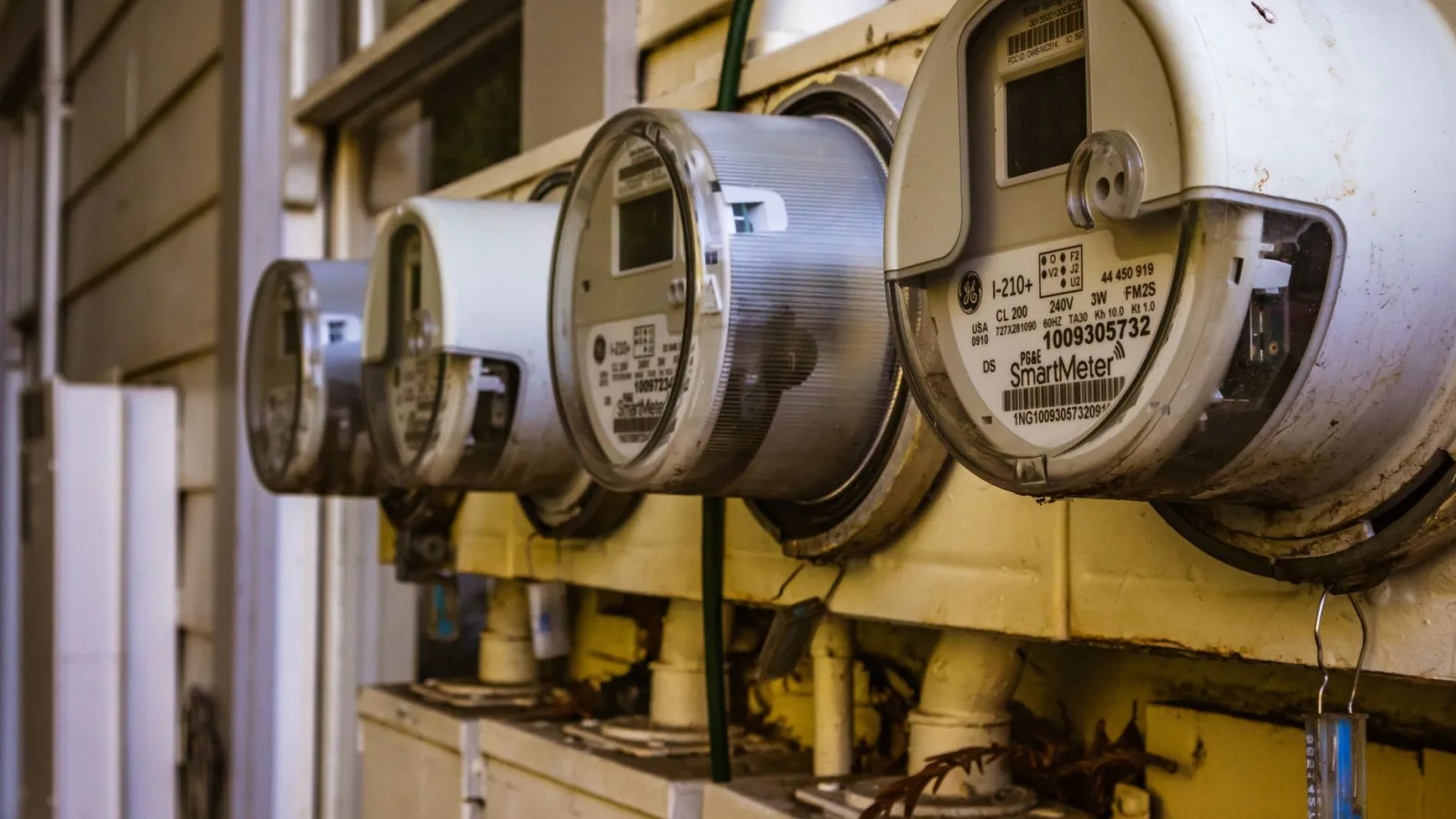
For customers facing price cap changes, submitting a meter reading when the new cap takes effect can help ensure they are not charged for estimated usage at an incorrect rate, a step particularly important when prices are rising. Households equipped with working smart meters do not need to submit readings, as their bills are calculated automatically.
Around 40% of households, equating to approximately 11 million, are on fixed-term energy deals. These customers will not be directly affected by the immediate changes to the energy cap, as their prices remain fixed until the end of their tariff period. Fixed deals offer price certainty for a set duration, often a year or more. However, consumers on these tariffs risk being locked into a higher price if market energy prices drop during their fixed term. Early exit penalties may also apply if a customer decides to leave a fixed deal prematurely. Ofgem advises that moving to a fixed deal can protect customers from future cap increases but stresses the importance of understanding all associated costs, including any potential penalties. Experts recommend consulting whole-of-market energy price comparison sites to identify the most suitable deals.
Several charges on energy bills have recently been removed or restructured. Since 1 April, charges related to the Energy Company Obligation, an insulation scheme, have been scrapped. Additionally, for the next three years, renewable energy projects will receive 75% funding from general taxation, rather than through a levy on energy bills. Previously, energy bills in England, Scotland, and Wales included additional charges to help fund insulation for low-income households and subsidise green energy projects like wind farms and solar panels. Nearly all households in England, Wales, and Scotland are expected to benefit from this reduction, although the exact amounts will vary.
However, the cost of maintaining and upgrading energy network infrastructure, encompassing power lines, cables, and gas pipes, is increasing. In December 2025, Ofgem approved a £28bn investment programme to enhance Great Britain's electricity and gas grids. The regulator stated this investment aims to strengthen energy supply, better shield customers from volatile energy prices, and reduce Britain's reliance on gas. Customers will contribute to this upgrade, with an additional £108 added to energy bills by 2031. These specific charges are projected to begin appearing from April 2026, adding approximately £6 per month to the bill for a typical household covered by the energy cap.
Looking ahead, the next energy price cap is scheduled to take effect from 1 January. Analysts at the energy consultancy Cornwall Insight have forecasted that domestic energy prices could rise a further 9% in the new year. Ofgem's Director General for Markets, Neil Kenward, stated that the main factor influencing the New Year price cap will be international gas prices. He indicated that a resolution to the conflict in the Gulf and an improved flow of gas through the Strait of Hormuz could lead to price reductions, though he also cautioned that prices could equally rise.
It is important to note that heating oil is not covered by the energy cap. Approximately 1.5 million UK households rely on heating oil, and many have already experienced sharp bill increases following the rise in oil prices triggered by the Middle East conflict. Some users have reported costs more than doubling. This issue is particularly pronounced in Northern Ireland, where about 500,000 homes, nearly two-thirds of all households, use heating oil. In March, the government announced a £53m support package specifically to assist low-income households in rural communities who use heating oil.