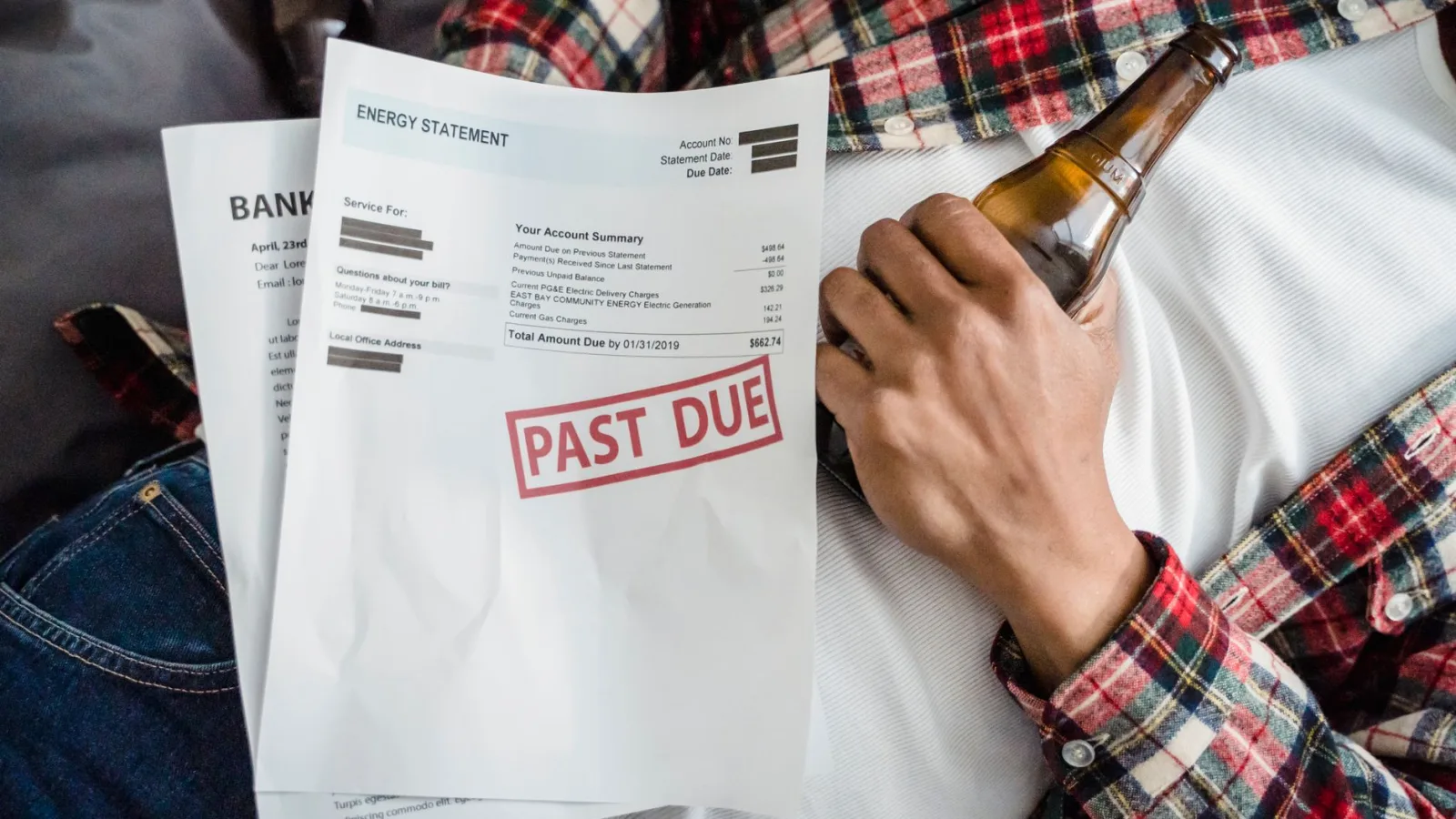
Prime minister Andy Burnham has acknowledged that rising energy bills are "difficult" for households after the regulator Ofgem raised its price cap by 4%, taking the typical annual bill to a three-year high of £1,723 from October.
Speaking to reporters outside a supermarket in London, Burnham said: "It's difficult for people and I recognise that. But it's why, within days of taking office, I announced that we would remove VAT off electricity bills to give people that little bit of help. We know the price cap will have an impact, but it is what we can do right now. We'll continue to look as we go forward at how we get energy prices down in the long term, and that's what we need to do too."
The increase, confirmed by Ofgem on Wednesday, follows a 13% rise at the start of July and means bills will climb by roughly £60 a year, or £5 a month, for a typical household. Analysts at Cornwall Insight have forecast a further 9% rise from January, which would push the typical annual bill to £1,872.
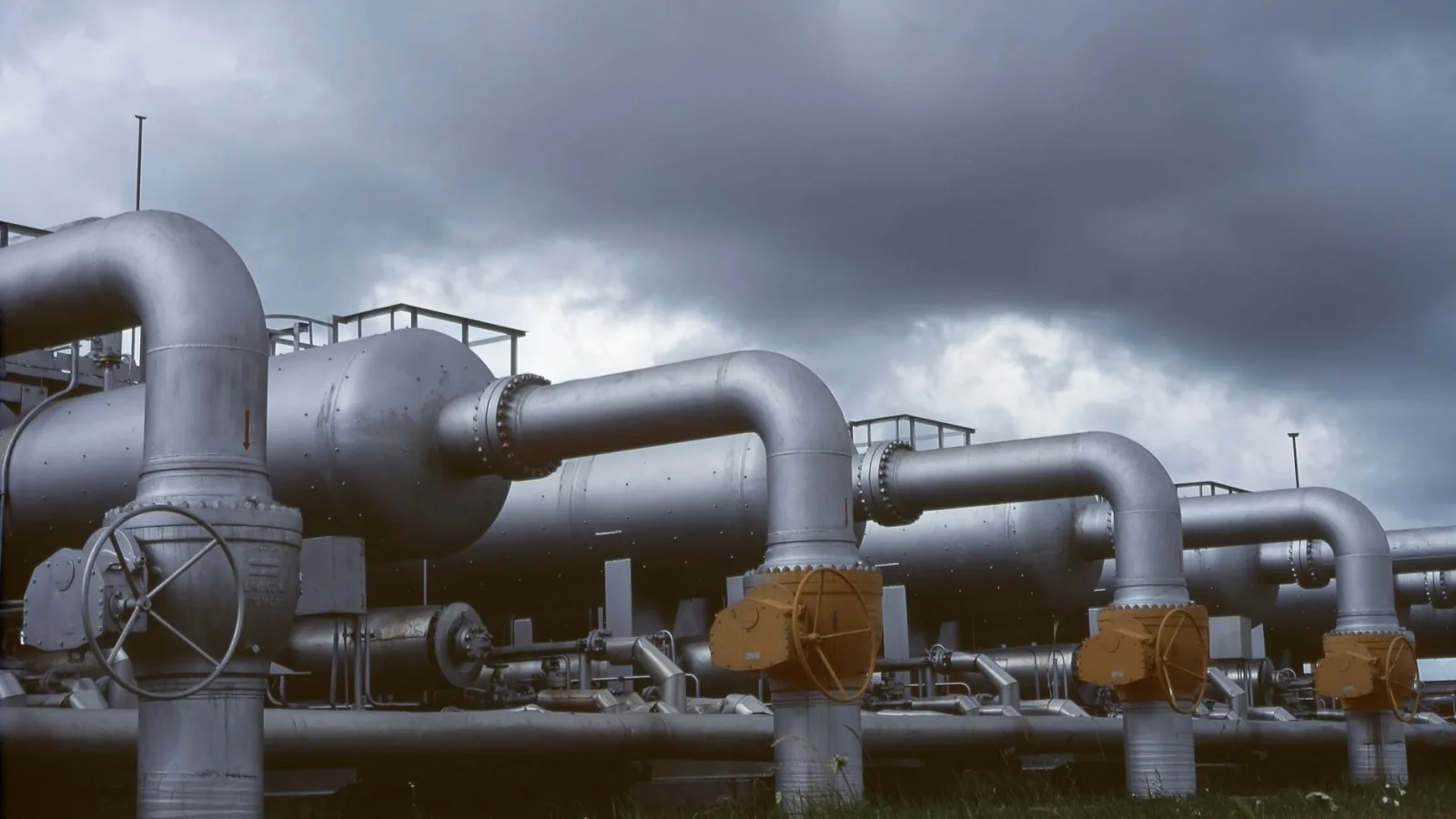
Ofgem said the rise reflects higher wholesale gas prices linked to the ongoing conflict in the Middle East, with gas bills rising by 8% while electricity costs remain broadly stable due to the government's VAT cut. Households that do not use gas will see a much smaller increase of less than 1%. The regulator said prices remain 52% below the peak of the 2022 energy crisis, when the government capped bills at £2,500, and that 35% of households, around 11 million, are on fixed tariffs unaffected by the rise.
Neil Kenward, Ofgem's director general for markets, defended the increase, saying it "does protect consumers from higher energy prices" and that suppliers make only a "small profit margin" of just over 2.5%. He said consumer satisfaction in the sector was among the highest ever recorded, at over 80%, and encouraged households to consider fixed tariffs, smart meter deals and prepayment options to reduce costs.
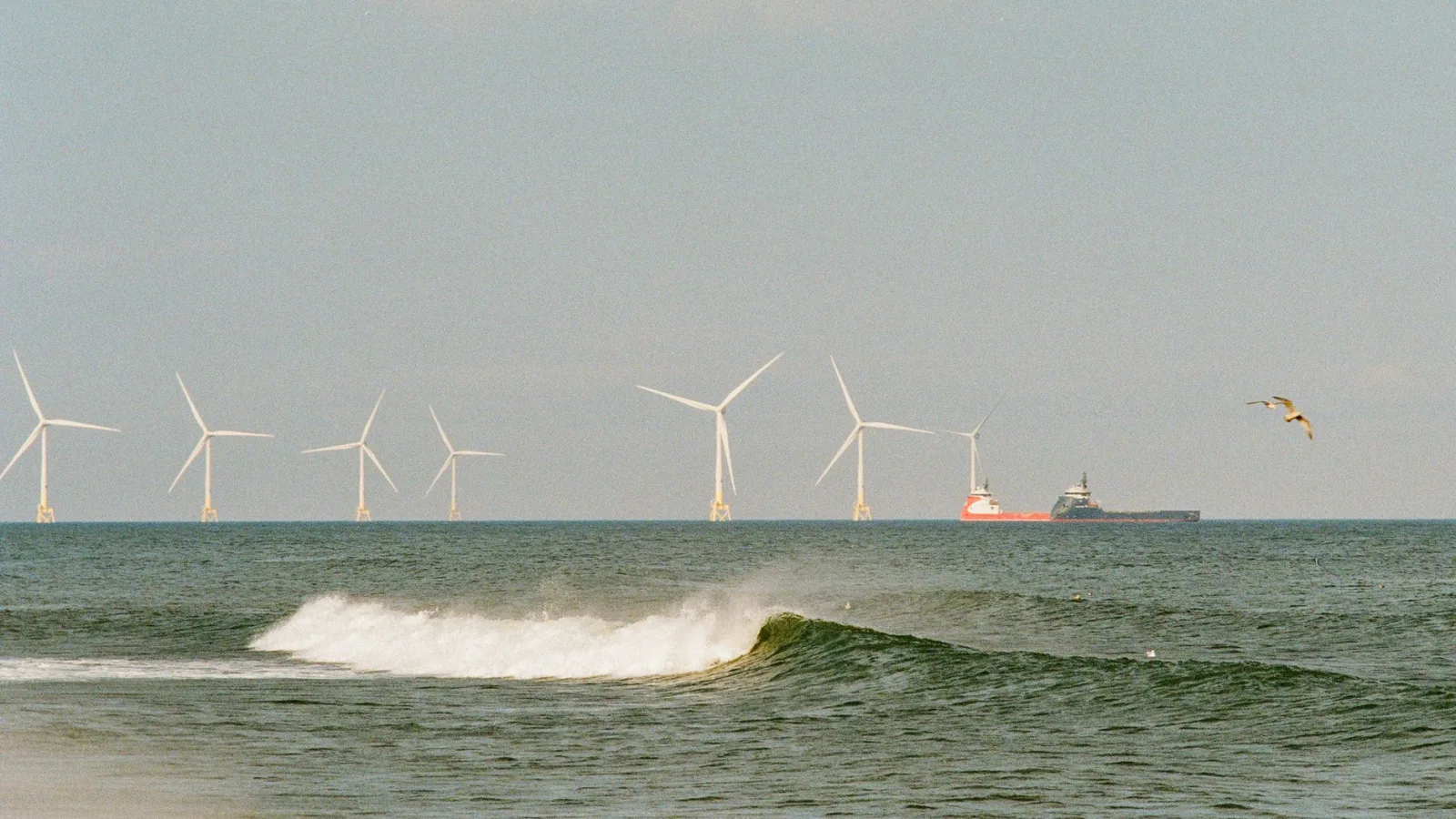
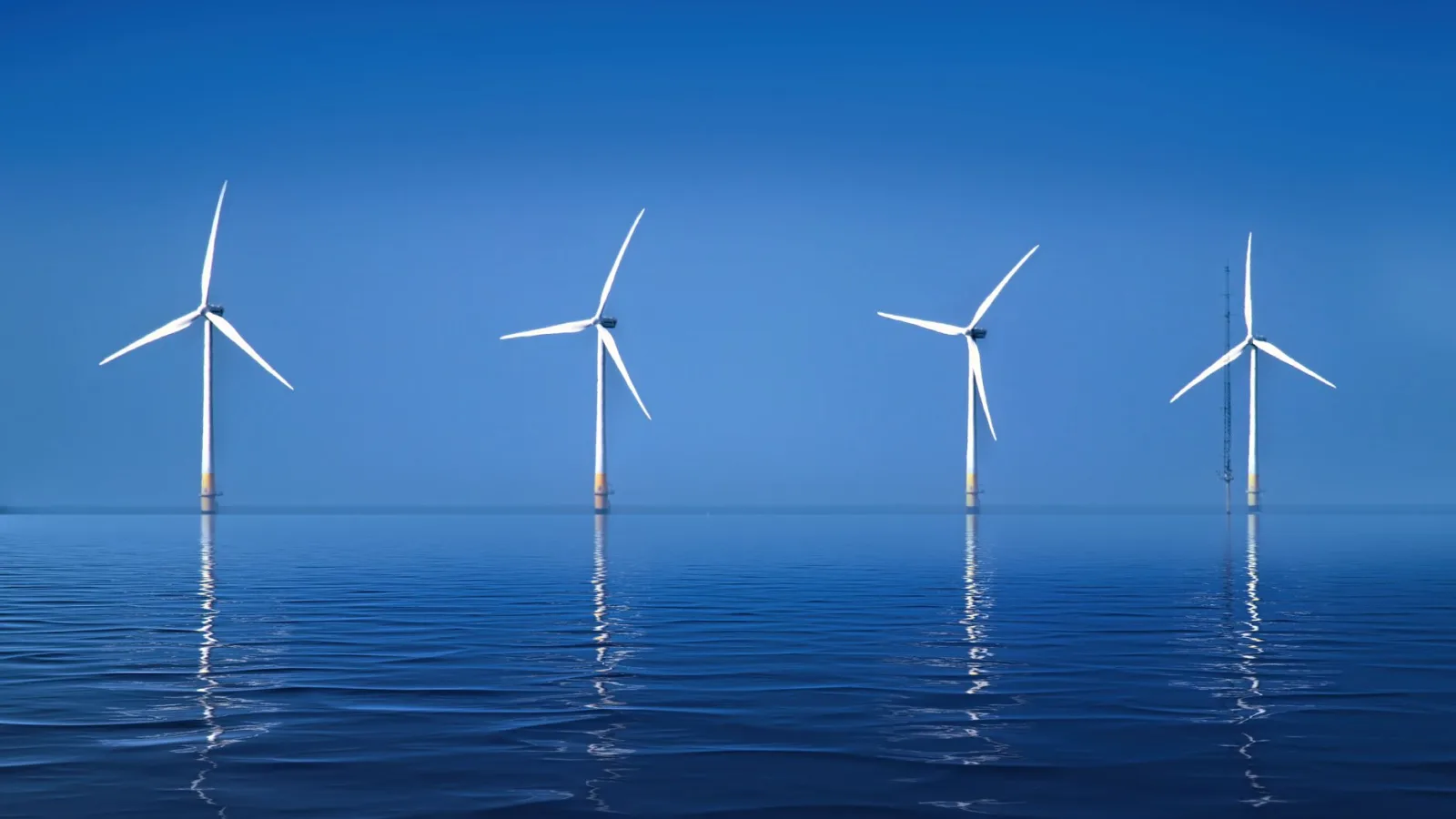
Energy secretary Miatta Fahnbulleh told BBC Radio 4's Today programme that the government understood "people are under huge amounts of pressure" and pointed to measures including the VAT cut on electricity, a £2 cap on bus fares, free school meals, free breakfast clubs and childcare savings. She said the UK's exposure to global fossil fuel markets was a key vulnerability, adding: "If you have a conflict in the Middle East it bites families' finances, that's why we are determined to fix that... we're driving towards clean energy in order to make sure we've got homegrown clean energy here that can have an impact on bills."
Fahnbulleh said the government was examining "fundamental reforms" to the energy market, including investment in renewable energy, to break the link between gas prices and household bills. She confirmed more than £100bn of investment had been unlocked, which she said was enough to power 23 million homes. She would not be drawn on Downing Street's position on a windfall tax on banks, saying tax was a matter for the chancellor, John Healey, though she noted "excess profits" in the energy system were already taxed.
The Trades Union Congress renewed its call for a windfall tax on bank profits to fund a social tariff, citing YouGov polling commissioned by the union which found more than a third of adults had cut back on hot water usage to save money in the three months to late June, while almost a quarter had skipped a meal. TUC general secretary Paul Nowak said: "This bill rise will be another hammer blow for those struggling to get by... Banks are raking it in while many up and down the country are struggling to get by."
Charities also urged further support. Age UK called for the Warm Home Discount to be raised to £200 this winter and extended beyond those claiming benefits. Caroline Abrahams, the charity's director, said: "No older person should have to face another winter fretting over whether they can afford to stay warm - but we know that in light of today's news many now will."
Matthew Cole, chief executive of the Fuel Bank Foundation, warned that a continuation of the conflict in the Middle East could lead to a third consecutive price cap rise in January, and highlighted concerns for households reliant on heating oil, which is not covered by the price cap and has risen in price by about 50% over the past six months.
Campaign groups linked the rise to the UK's continued reliance on fossil fuels. Danny Gross of Friends of the Earth said the prime minister's VAT cut had been "outweighed by soaring oil and gas prices due to the US and Israel's disastrous war on Iran," and called for electricity levies to be shifted to general taxation alongside a social tariff for low-income households. Alex Chapman of the New Economics Foundation called for a "National Energy Guarantee" offering every household a cheap portion of essential energy, while Andy Mayer of the Institute of Economic Affairs argued that expanding nuclear power, rather than renewables, was the answer to reducing costs.
Wholesale market moves have added further uncertainty. Brent crude, the global benchmark, fell for a third consecutive day to around $86 a barrel amid hopes that shipping through the Strait of Hormuz could resume more fully, with Iran said to have restarted talks with Oman over managing the waterway. Thomas Pugh, chief economist at RSM UK, said higher wholesale gas prices had "more than offset" the impact of the VAT cut, and warned that low European gas storage levels could push bills higher again in January.
Consumer advice groups urged households to consider switching to fixed tariffs while some deals remain below the price cap. Laura Hinton of MoneySuperMarket Energy said fixing now "could provide certainty, protection from future price cap increases and potentially significant savings," while Sebrina McCullough of Money Wellness said the rise "could be the difference between keeping up with their bills and falling behind" for many households.