National Gas has committed a £55 million investment over the next five years to upgrade its Aberdeen Compressor Station, a critical component of the UK's gas transmission network.
The substantial funding forms part of the company's broader maintenance and upgrade programme, designed to ensure the facility continues to operate safely, reliably, and efficiently for decades to come. The initiative is set to support skilled employment opportunities within the region and strengthen local supply chains, contributing to the Northeast of Scotland's role in securing Britain's energy future.
David Marshall, National Gas regional director for Scotland and the North of England, emphasised the long-standing importance of the region to the national energy system. “For decades, Scotland has been at the heart of Britain’s energy system. Aberdeen Compressor Station remains a vital part of that network, helping keep energy flowing to homes, businesses and industry across the country every day,” Mr Marshall stated.
He added that the investment extends beyond physical infrastructure to the people who maintain it. “By investing in Aberdeen, we’re investing in both the infrastructure and the highly skilled people that underpin energy security today and will help deliver it for decades to come.”
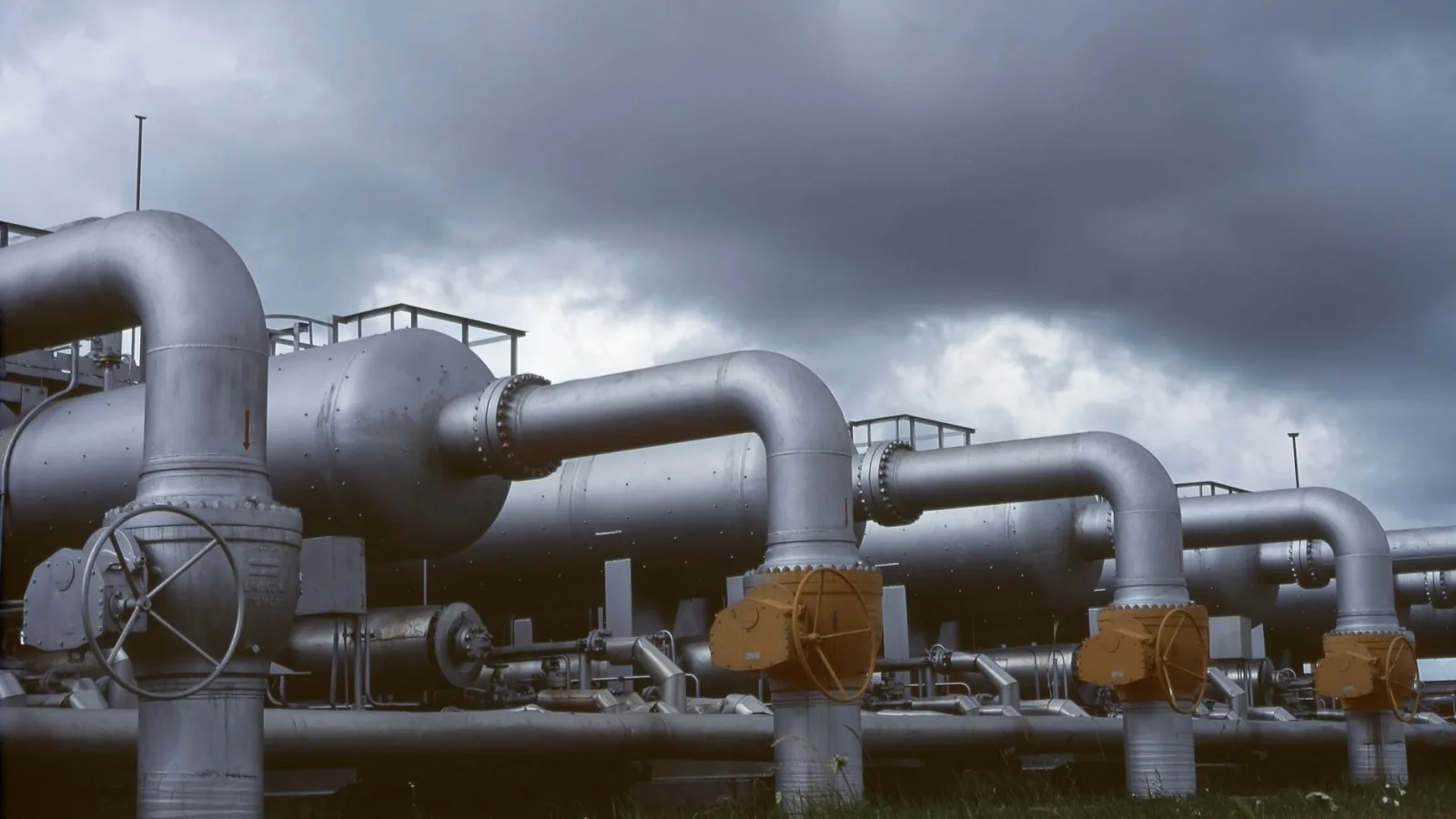
The Aberdeen Compressor Station is one of 21 such facilities distributed across Great Britain. Its primary function is to maintain the necessary pressure for the safe and reliable transportation of gas through the National Transmission System. These stations are strategically located at regular intervals along the pipeline network, ensuring gas maintains sufficient pressure to reach its destinations across the country.
The Aberdeen station plays a pivotal role in moving gas southwards from the St Fergus Gas Terminal, an essential entry point for natural gas into the UK network. Approximately a quarter of the UK’s gas passes through Scottish infrastructure, underscoring the regional significance of facilities like the Aberdeen Compressor Station to national energy supply.
This investment arrives amidst ongoing discussions about the future of the UK's gas capacity. The Department for Energy Security and Net Zero (DESNZ) recently published a report outlining potential commercial support schemes aimed at retaining the UK’s existing gas infrastructure and capacity. The department identified three key challenges facing the sector: the declining output from North Sea production, the imperative to ensure consumer bill affordability, and the complexities associated with network decommissioning as the UK transitions towards net zero.
The continuous operation and maintenance of facilities like Aberdeen Compressor Station are crucial for managing these challenges and ensuring a stable energy supply during the transition. The commitment from National Gas aligns with the broader objective of maintaining energy resilience.
Earlier in the year, National Gas provided assurances regarding the UK's gas supply, stating that the country had sufficient gas to meet forecast demand for the summer period. This assessment was made despite acknowledged factors such as declining domestic North Sea output and potential disruptions stemming from geopolitical events, including conflict in the Middle East. Such assurances highlight the importance of robust infrastructure and strategic investment in maintaining the stability of the national energy system.
The £55 million investment in the Aberdeen Compressor Station is therefore positioned as a strategic commitment to national energy security, regional economic stability, and the long-term operational integrity of a key piece of Britain’s energy infrastructure.