The European Space Agency (ESA) will hold a free public event in León, northern Spain, to mark the total solar eclipse expected on 12 August 2026, according to details published by the agency. The event is being organised jointly with the City of León and the University of León at the Palacio de Exposiciones y Congresos de León.
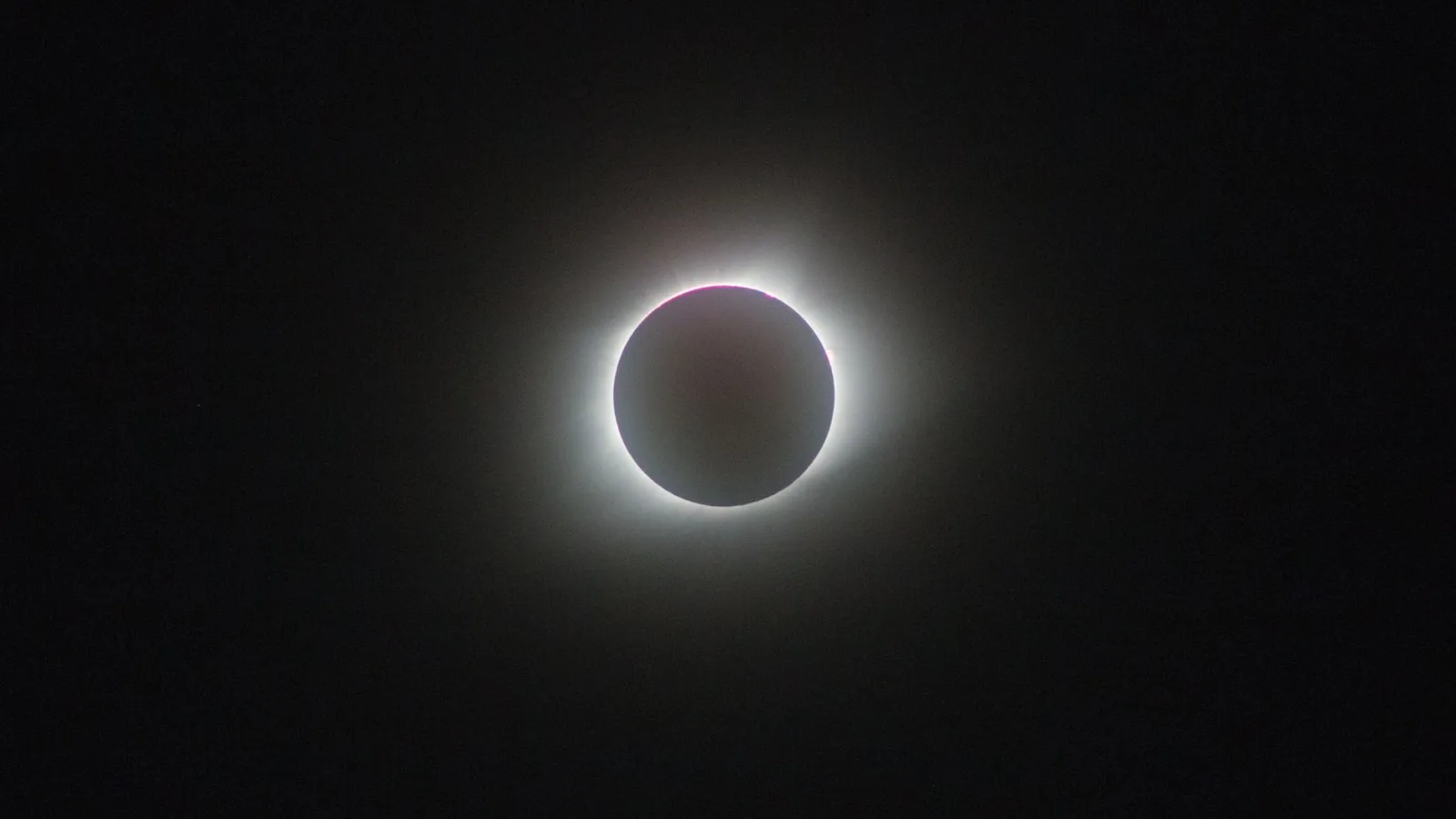
ESA said the eclipse will be visible in totality only from a limited number of locations worldwide, including Greenland, Iceland, northern Spain and a small area of north-eastern Portugal. Totality refers to the period when the Moon fully covers the Sun, briefly turning day into darkness for those within the path.
According to ESA, millions of people across Europe are expected to observe the eclipse in some form, though only those within the narrow path of totality will experience the full effect. Northern Spain has been highlighted by the agency as one of the most favourable viewing locations globally.
The León event has been designed to combine public engagement with scientific explanation, bringing together ESA scientists, engineers and astronomy specialists. Organisers say the programme will include talks, live observation sessions and interactive activities aimed at explaining the mechanics and significance of the eclipse.
Entry to the full programme will be free, with no registration required, ESA said.
The daytime portion of the event will run from 10:00 to 14:00 CEST inside the Palacio de Exposiciones y Congresos. According to the published schedule, this will include workshops and hands-on activities intended for a broad audience, including families and younger visitors. Topics are expected to cover the science of the Sun and eclipses, aerospace engineering, the history of astronomy and Europe’s space missions.
ESA said the daytime sessions are intended to make the science behind the eclipse accessible to those with limited prior knowledge of astronomy, as well as to space enthusiasts seeking more detailed information.
The outdoor programme, where the eclipse itself will be observed, will open to visitors from 17:30 CEST, with the main stage programme beginning at 18:30 CEST and continuing until 21:45 CEST. ESA said this evening segment will include expert commentary guiding visitors through each stage of the eclipse as it occurs, alongside broader scientific discussion of why the event is considered significant.
For those unable to attend in person, ESA said the eclipse will also be broadcast live from the Observatorio Astrofísico de Javalambre in Teruel, Spain. The broadcast will be available in English through ESA’s Web TV platform and YouTube channel, with coverage expected to begin at approximately 19:30 CEST on 12 August. ESA said further details on the broadcast would be published closer to the date.
Total solar eclipses occur when the Moon passes directly between the Earth and the Sun, temporarily blocking sunlight from reaching a narrow section of the Earth's surface. Because the path of totality is determined by precise orbital alignment, such events are visible from only a small fraction of the globe during any given occurrence, making them comparatively rare for any specific location.
Public interest in solar eclipses has grown in recent years, with major viewing events drawing large crowds in regions along the path of totality. Scientific institutions frequently use such occasions to communicate research on solar activity, atmospheric science and space exploration to wider audiences, alongside guidance on safe viewing practices.
ESA said members of the media wishing to cover either the León event or the live broadcast should register through the agency’s dedicated media platform, though further procedural details were not specified in the material released so far.
As the date approaches, additional information on logistics, safety guidance for viewing the eclipse, and confirmed speakers is expected to be issued by ESA, the City of León and the University of León. The event is being positioned as a significant public science initiative tied to a rare astronomical occurrence, with organisers emphasising both the scientific and educational value of the gathering.