Large parts of the UK were hit by heavy showers and thunderstorms on Thursday, bringing the threat of flash flooding and travel disruption, even as officials warned the rain would not be enough to end the drought gripping much of the country.
The Met Office said some areas had experienced their "first meaningful rain for a long time" this week, following a summer marked by punishing heatwaves and extremely dry conditions that have left parts of the UK facing water shortages.
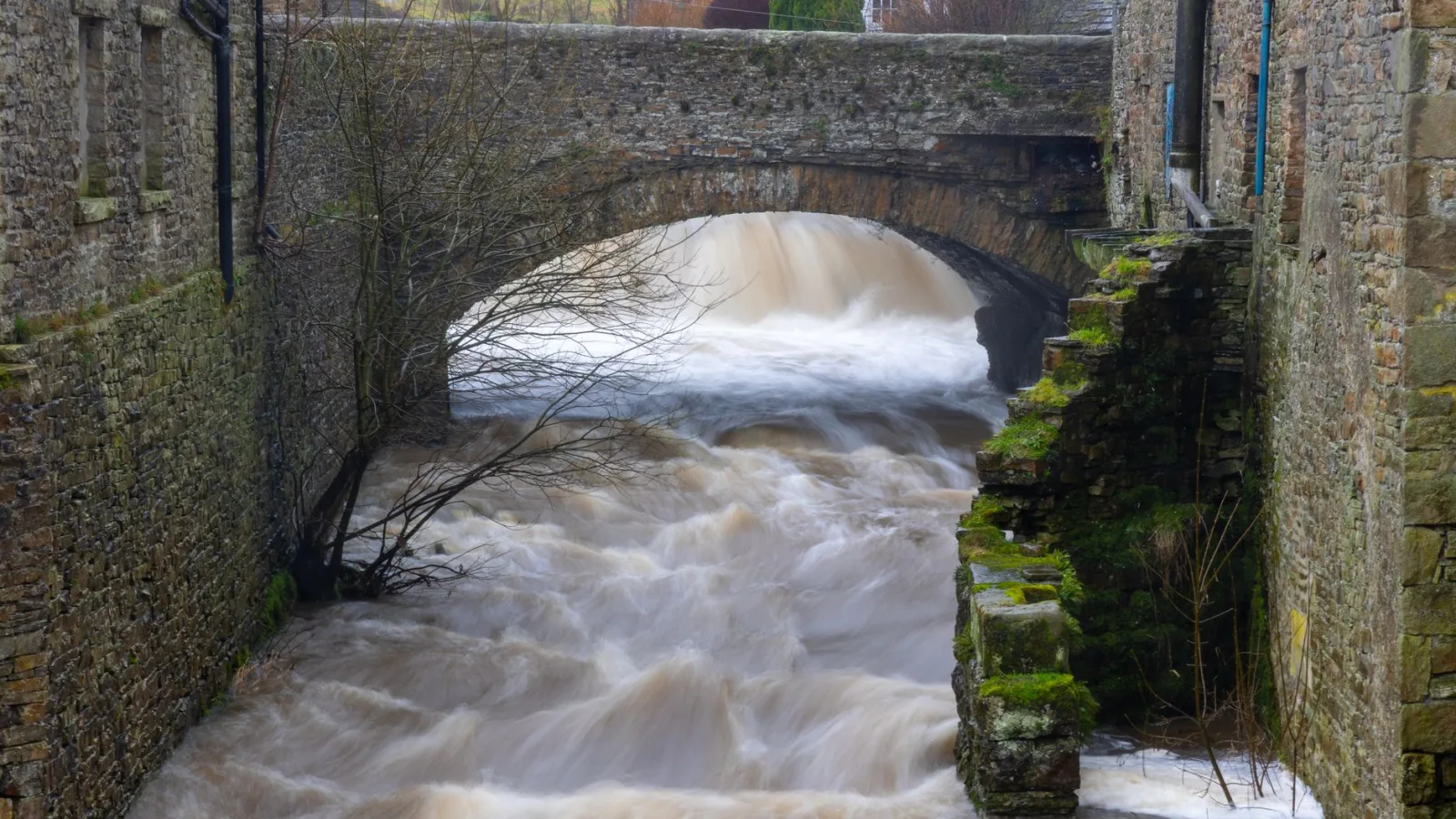
Yellow weather warnings for thunderstorms were issued for northern areas of England and Wales from Wednesday evening through to 10am on Thursday, following earlier alerts for Northern Ireland and eastern Scotland around Aberdeen on Wednesday. The Met Office warned of a chance of flash flooding, with rain showers of 15 to 20mm in an hour possible in some areas, and as much as 30 to 50mm falling over six hours in others.
Rising river levels triggered a flood warning for Millingford Brook at Ashton in Makerfield, while flood alerts were put in place for the Crossens area in West Lancashire, the Lower River Wear, Middlesbrough Beck and the Rivers Derwent, Team and Don, along with their estuarine tributaries.
The Met Office's Thursday forecast said: "Frequent showers are expected, some being heavy and thundery with a risk of hail. The most intense showers are likely across parts of England and Wales, especially northern and central areas. More isolated elsewhere and feeling cooler than of late."
The wet weather followed "heavy pulses" of rain early on Wednesday, though forecasters and officials cautioned that the downpours would not resolve the drought overnight. Overnight rain saw Wisley in Surrey break its 62-day dry streak, the longest recorded anywhere in the UK, with 1.6mm falling in the early hours of Wednesday. Met Office data showed up to 23mm fell in Billinge Hill, Merseyside, in the 12 hours to 6am, while up to 13mm was recorded in parts of Northern Ireland and between 6mm and 10mm fell across south-west England.
Met Office meteorologist Clare Nasir said "heavy" pulses of rain had also been felt across Northern Ireland and Scotland. "We've seen cloud and rain move in overnight into the early hours of the morning, just bumping into Northern Ireland and southern Scotland," she said. "Some higher rainfall totals are possible through the day across northern England as that rain extends southward."
The cooler, wetter conditions come after the UK's fifth heatwave of the summer, during which the hottest day of the year was recorded at Kew Gardens in London, when temperatures reached 38.1C. Officials have said the UK is facing increasingly severe weather extremes, including heatwaves, droughts and flooding, with a heightened risk of surface water flooding as heavy rain falls on baked, dry ground. These extremes have been linked to climate change caused largely by the burning of fossil fuels for power stations, vehicles, heating and industry.
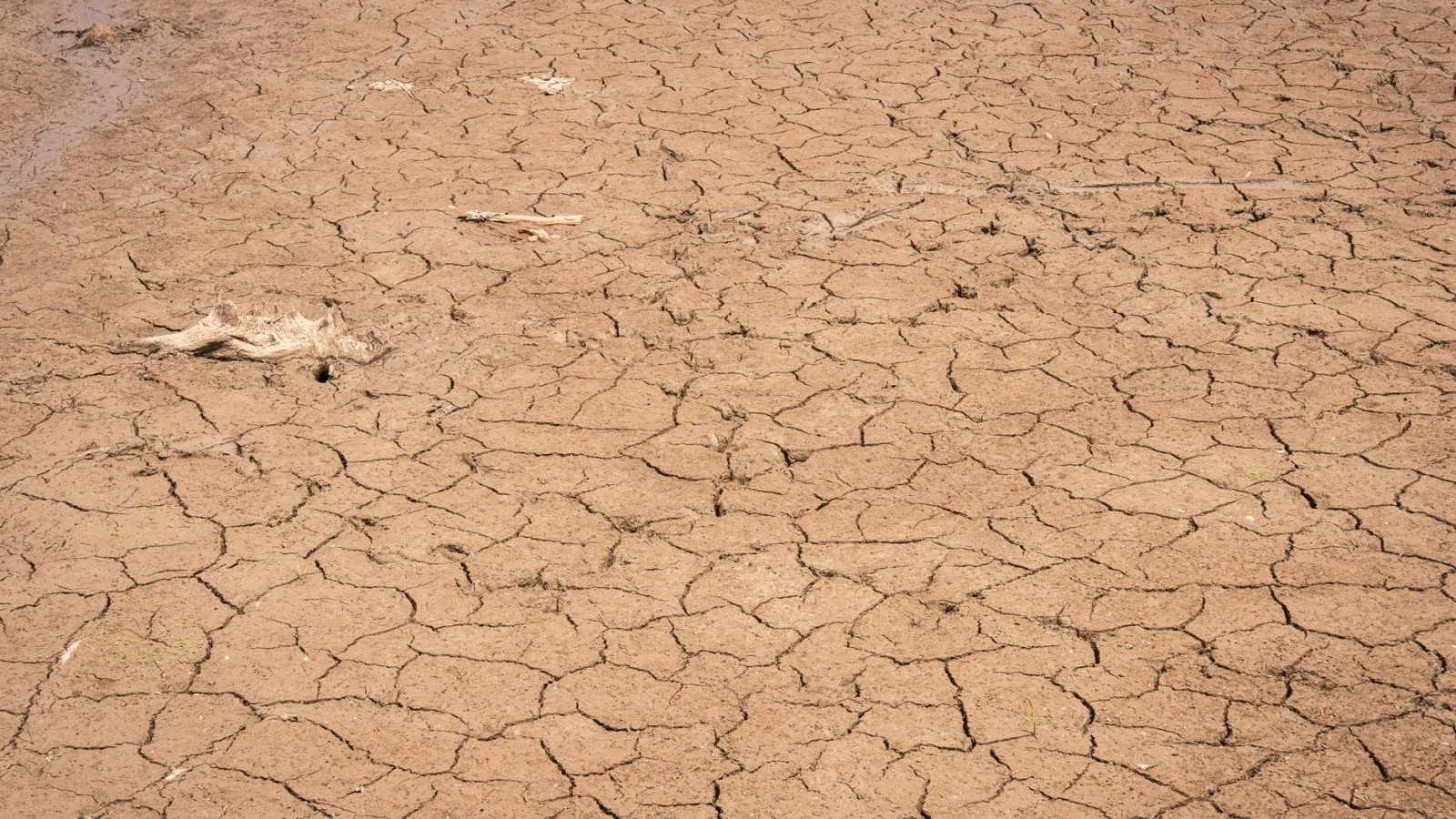
All of Wales and nearly three-quarters of England are currently in drought as a result of the prolonged hot, dry conditions. The Environment Agency and Natural Resources Wales have applied to the English and Welsh governments for a drought order for the River Severn, citing concerns over the impact on the river's habitats and surrounding farmers.
If granted, the order would require Severn Trent Water, South Staffordshire Water, Bristol Water and Hafren Dyfrdwy to reduce the amount of water they abstract from the river by 5%, a measure the companies have said will not affect public water supplies. It would also cap the amount of water the Canal and River Trust can take for the Gloucester and Sharpness Canal, and reduce releases from a reservoir at the river's headwaters to stretch available water over a longer period to support fish and other wildlife.
An Environment Agency spokesperson said: "We are exceptionally concerned about the impact that the drought is having on the River Severn's habitats and surrounding farmers. We need to see significant and sustained rainfall for this drought to end."
Water levels in the Severn are artificially supported by releases from groundwater and the Llyn Clywedog and Lake Vyrnwy reservoirs at the head of the river in Wales. But reservoir levels are declining, and the proposed drought order, which would be the first on the river since 1989, is designed to stretch the available water for longer, officials said. The order specifically asks to slow releases from the Llyn Clywedog reservoir, where water levels stand at 48% and continue to fall.
The Environment Agency said the water companies, which currently have no hosepipe bans in place, had confirmed the abstraction reduction would have no impact on public water supplies, and that the abstraction cap for the Gloucester and Sharpness canal would be "manageable".
The Environment Agency spokesperson added: "This drought order, if made, will stop the Clywedog reservoir from being completely exhausted and will prevent sections of Britain's longest river from drying out. We still expect water companies to follow their drought plans and encourage an earlier use of Temporary Use Bans to protect public water supplies and preserve the environment. Every drop we can save is a drop more for your local farmers, local wildlife, and local rivers."
Without the order, officials warned that releases from the Llyn Clywedog reservoir were at risk of stopping, with sections of the upper Severn at risk of drying out, potentially resulting in the whole river experiencing record minimum flows and environmental stress.