A quiet Alpine village in Switzerland is living under the shadow of a potential landslide that experts warn could rival the disaster that destroyed the nearby village of Blatten last year.
The threat comes from Spitze Stei, an unstable rock formation looming above Kandersteg, a village of around 1,300 residents in Switzerland's Bern canton. The mountainside, part of a wider Alpine landscape increasingly affected by thawing permafrost, could collapse into the valley in a massive landslide, according to scientists monitoring the site.
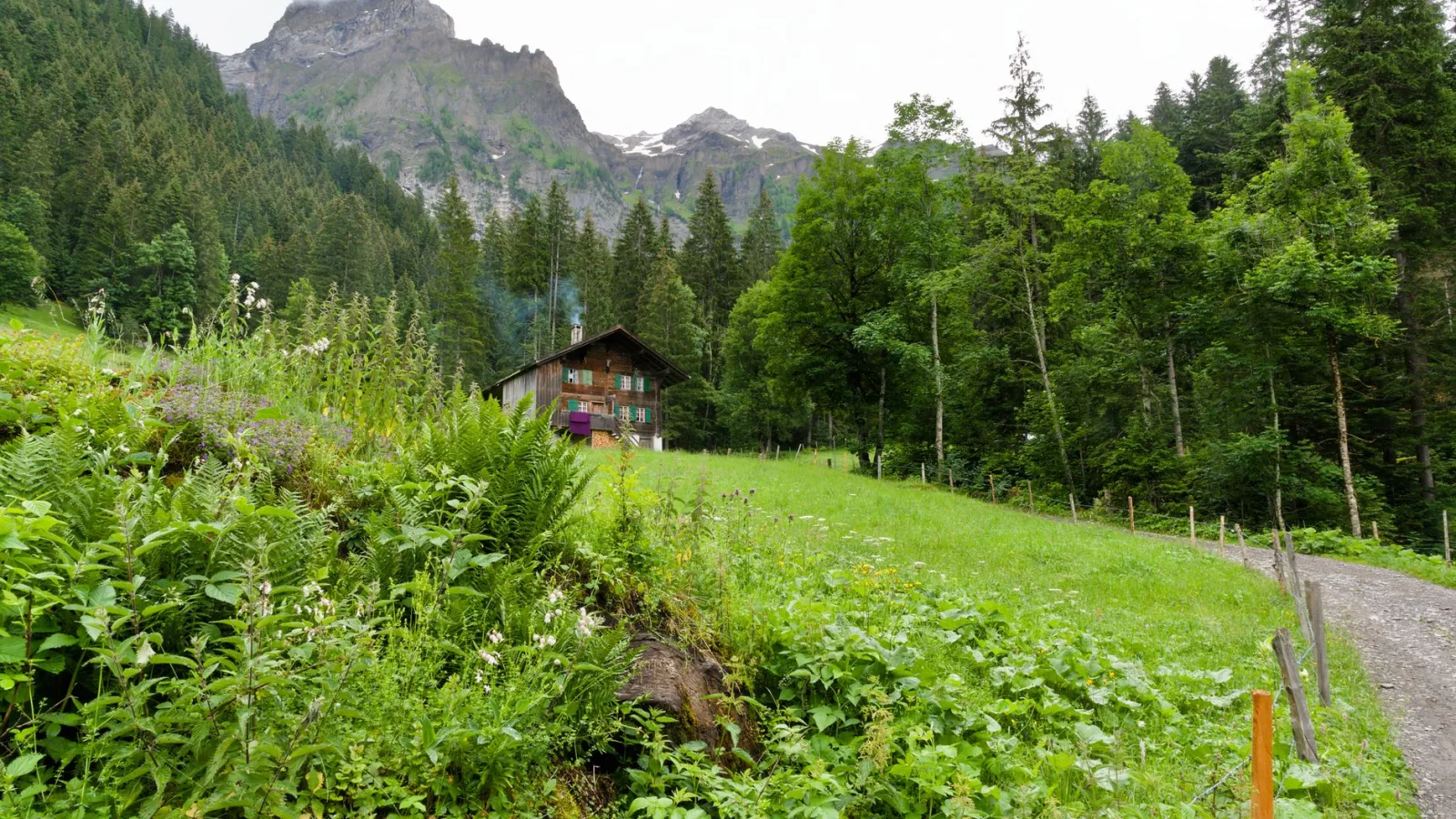
Kandersteg sits amid a classic Alpine landscape of glaciers, green valleys and grazing cattle. But beneath the picturesque scenery, authorities and residents are aware of a slow-moving geological threat that has been linked to rising temperatures and the melting of permafrost and glacier ice.
“You are aware that it’s happening, but not afraid,” said Brigitte Jüni, a resident of Kandersteg, adding that authorities had taken all the precautions they could. “But then it’s nature. It’s nature and you never know,” she said.
The concern follows a disaster in May 2025, when a huge mass of rock and ice broke away from a glacier in the nearby Loetschental valley and thundered down the mountainside, sending plumes of dust into the sky and burying nearly all of the village of Blatten in mud. Blatten had been evacuated beforehand as a precaution.
Markus Stoffel, professor for climate change and natural risks at the University of Geneva, said climate change is driving the melting of both glaciers and permafrost, the frozen mixture of soil and rock that helps hold mountain slopes together.
“In the mountains and in the unconsolidated debris, there is lots of ice,” Stoffel said. “Once this ice is melting, it acts like a cement. These mountain slopes will become increasingly unstable.”
Despite the parallels drawn with Blatten, residents of Kandersteg say their situation is different, and that existing preparations allow them to continue their daily lives without undue alarm.
“This isn’t the same case as in Blatten. It’s a different situation,” said local resident Rudolf Isler. “We are not afraid of the Spitze Stei rock. It’s been many years seeing stones falling from up there. The problem here is about global warming and rising temperatures.”
Should the entire unstable section of Spitze Stei give way, the consequences could be severe. Experts estimate the volume of unstable rock at roughly 15 to 20 million cubic metres, a mass that could trigger a major natural disaster if it collapsed all at once. However, the rock formation is under constant monitoring, evacuation plans have been prepared, and experts believe it is more likely to break down gradually over time rather than in a single catastrophic collapse.
Nathan Solothurnmann, a climate and energy expert with Greenpeace Switzerland, said the changing climate means landslides and avalanches are likely to become more frequent across the Alps.
“Maybe even one day we will have to abandon certain valleys or certain villages because it’s becoming impossible to live there,” Solothurnmann said. He added that the cost of protecting infrastructure in some areas could eventually become so high that it would no longer be worthwhile continuing to live there.
The situation in Kandersteg reflects a broader pattern being observed across the Swiss Alps, where warming temperatures are steadily undermining the frozen ground that has historically stabilised steep mountain terrain. Scientists say the thawing of permafrost, once considered a slow and largely stable feature of high-altitude environments, is now contributing to a measurable rise in the risk of rockfalls and landslides in mountain regions.
For now, Kandersteg continues to operate under close observation, with authorities relying on monitoring equipment and contingency planning to manage the risk posed by Spitze Stei. Residents, meanwhile, say they are choosing to continue their lives in the shadow of the mountain, aware of the danger but reassured by the precautions already in place.