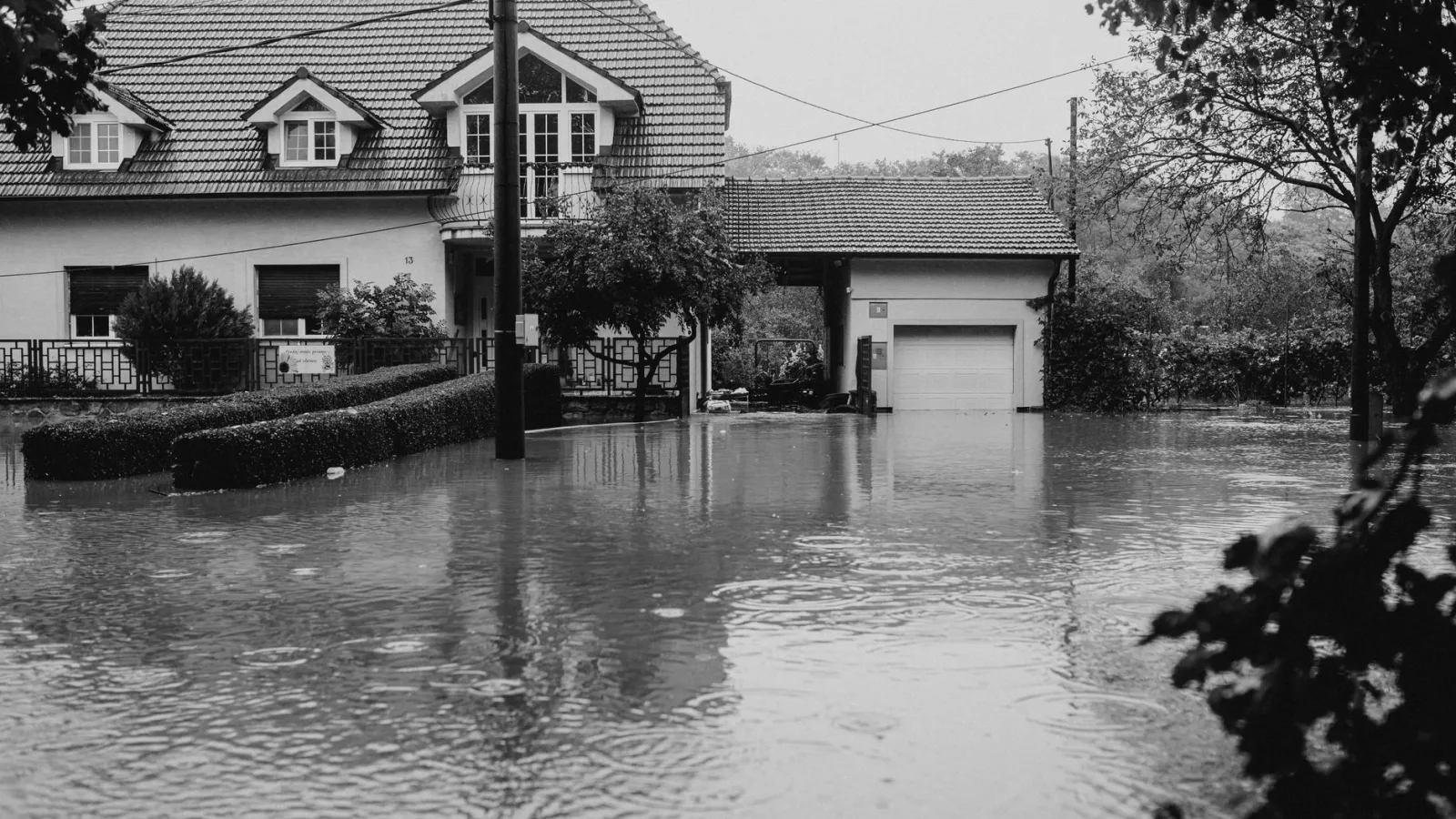
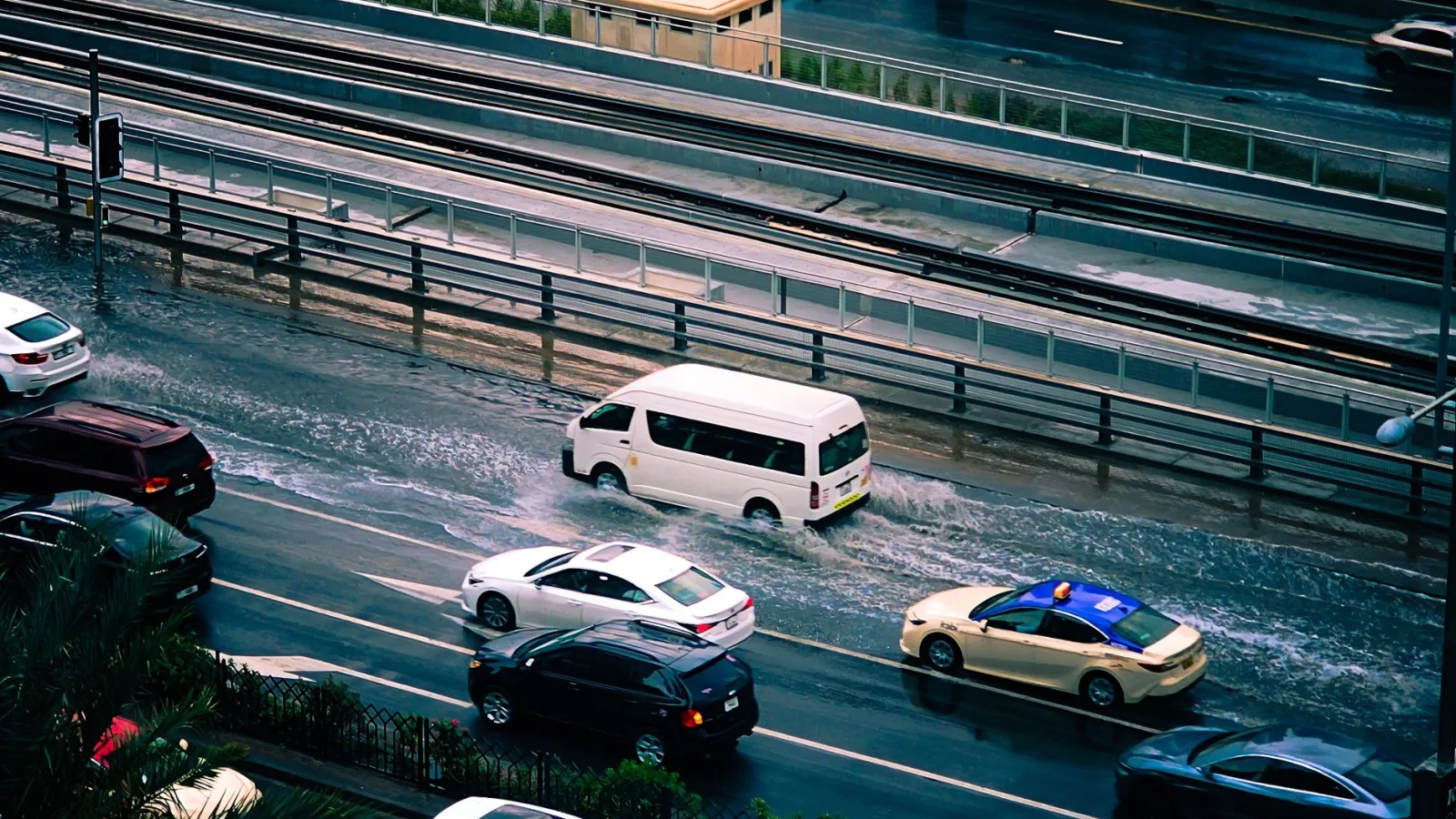
At least eight people have died following record rainfall that has pummelled eastern Japan, leaving thousands stranded at Tokyo's Narita Airport and causing widespread disruption.
Authorities have described the rain as "unprecedented", with the severe weather cutting power to more than 20,000 households in Chiba prefecture, which borders Tokyo.
Local authorities in Chiba issued a level five emergency warning, the highest possible alert, on Thursday. While this was downgraded to a level four by Friday morning, officials continue to warn residents of ongoing landslide and flooding risks.
The deluge is the latest in a series of storms that have swept through Japan and neighbouring countries this week, occurring during what meteorologists have forecast to be an unusually active typhoon season.
The Japan Meteorological Agency stated that the recent heavy rainfall was caused by warm, humid air flowing into the country's east, which combined with cold air above to create highly unstable atmospheric conditions. The rains were expected to continue through late on Friday.
Chiba Governor Toshihito Kumagai addressed reporters on Friday morning, stating: "This case was an extremely unusual situation, even by Japan's historical weather standards. I have responded to many disasters in the past, but I have never experienced a case like this."
Chiba has recorded more than 100mm of rain per hour since Thursday afternoon, according to authorities. This volume of precipitation is approximately three times the average rainfall for August and marks the highest ever recorded in the country.
Governor Kumagai affirmed that authorities' immediate priority was saving lives and pledged to persist with ongoing rescue efforts.
The death toll of at least eight people was reported by public broadcaster NHK, Kyodo news agency, and the Asahi newspaper. Among the fatalities, one woman died inside her car after it was submerged on a flooded road, while two other individuals collapsed on the streets and later died.
The Japan Meteorological Agency had earlier described the situation as an "unprecedented level of heavy rain."
Transportation networks have been significantly impacted, with several rail services remaining suspended on Friday morning and some major highways also shut. More than 100,000 households were advised to evacuate on Thursday after the rainfall triggered landslides and extensive power outages.
Thousands of passengers were left stranded overnight at Narita Airport as the severe weather disrupted transportation routes to and from the facility. Despite the earlier disruption, a spokesperson for Narita Airport confirmed that all flights were scheduled to operate normally on Friday. Flag carrier Japan Airlines indicated that some of its flights might experience delays but did not anticipate any cancellations.
Passengers were also left stranded at metro stations, and approximately 1,800 people sought shelter overnight at the Chiba Prefectural Government building.
A resident of Ichikawa city in Chiba told NHK that the rain "happened all of a sudden so it was a complete surprise." She added: "The power is out so I'm worried whether I can open my business in the next couple of days."
Further afield, authorities in the Philippines have again ordered the closure of schools and government offices across most of the country's north, citing the persistent threat of floods.
Earlier in the week, Japan, the Philippines, and China were simultaneously impacted by a succession of storms, named Dolphin, Chan-Hom, and Peilou, which churned across the region. Typhoon Dolphin brought heavy rain to Japan's Okinawa island, leading to power cuts for tens of thousands of buildings, toppling trees, and flight cancellations. Over the weekend, Chinese authorities evacuated more than a million people from their homes as Dolphin, the strongest typhoon to hit China so far this year, made landfall in the country's east.