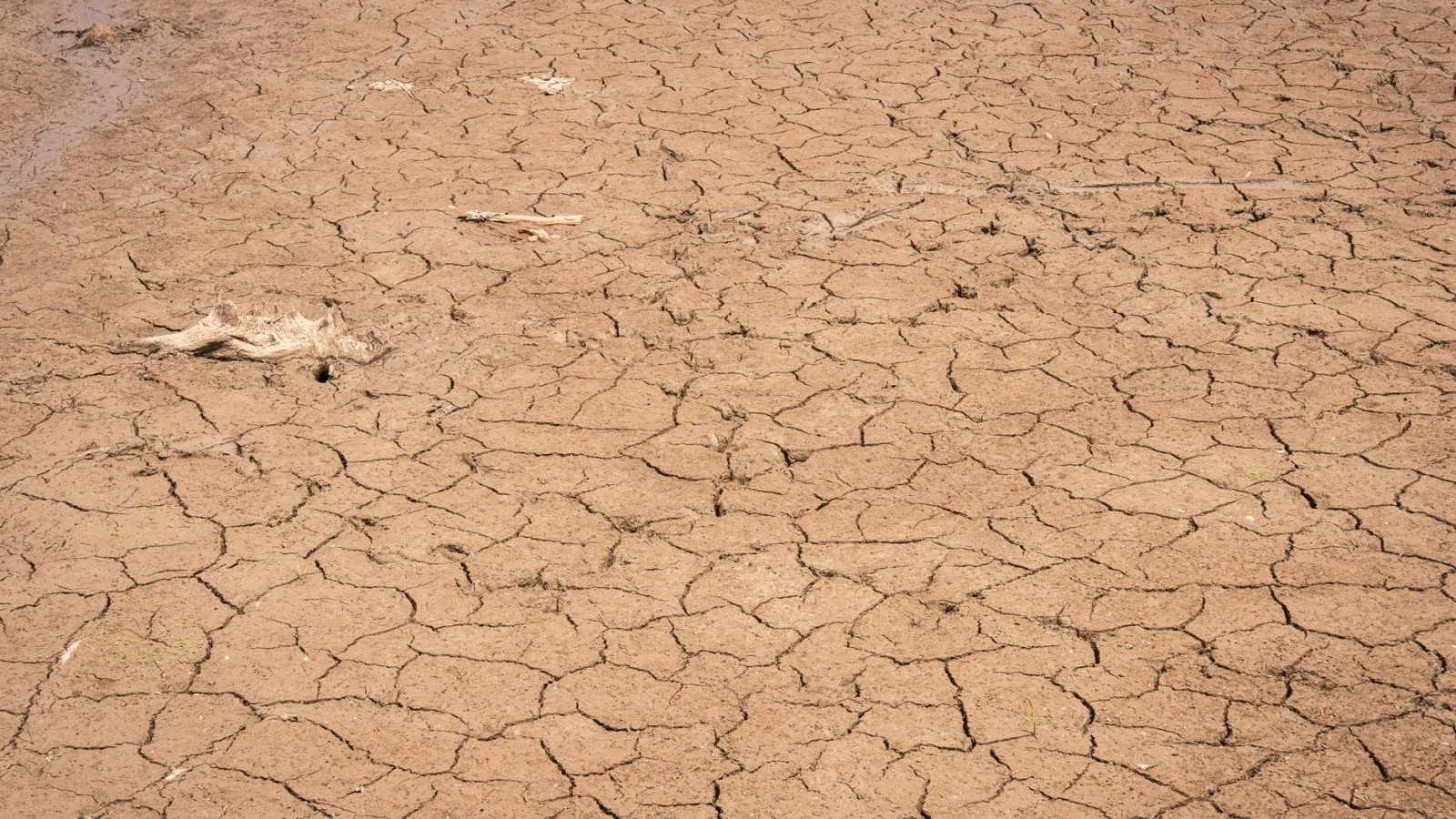
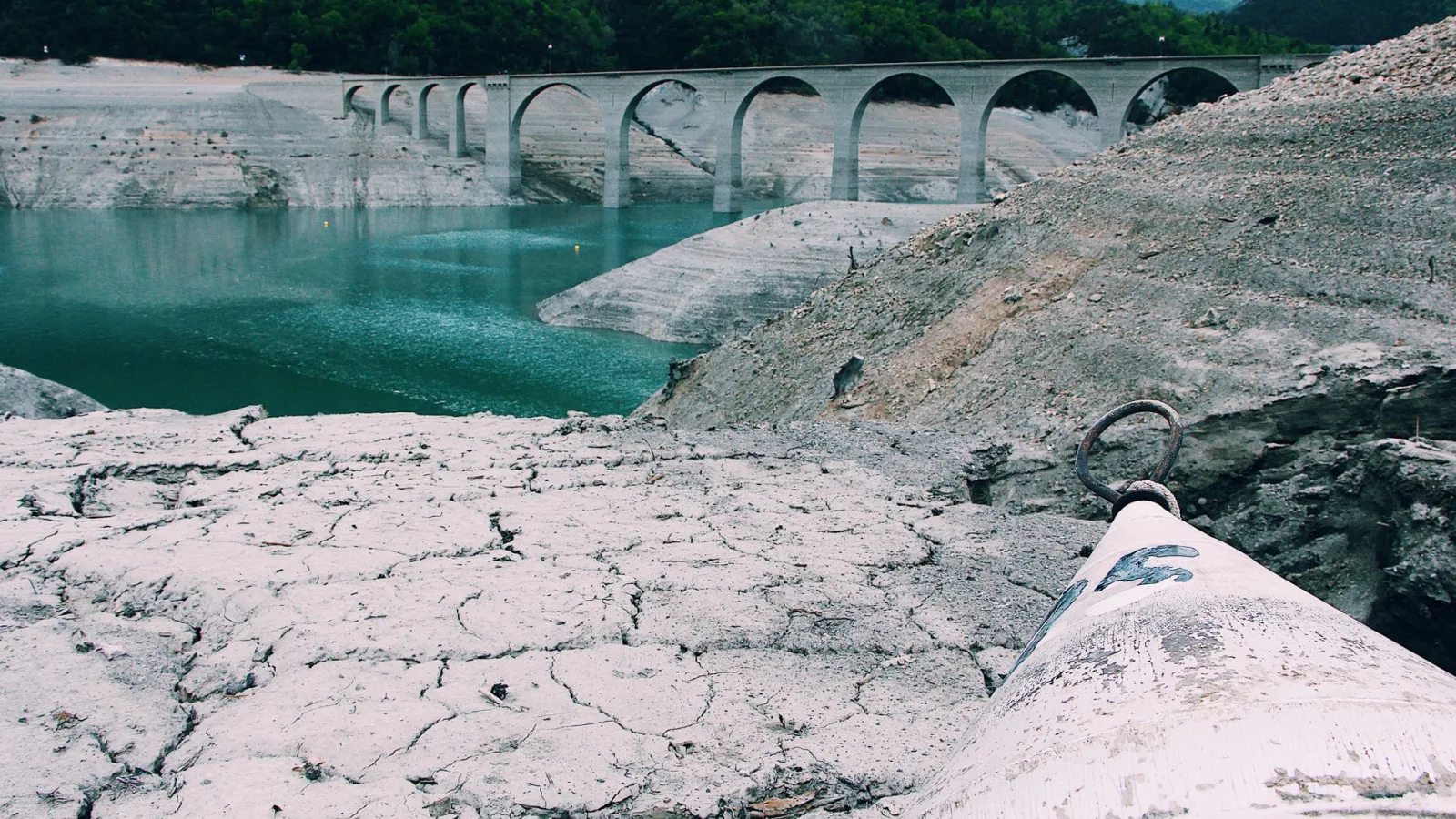
The River Rhine has fallen to its lowest recorded levels at several key points in Germany and the Netherlands, as prolonged heatwave conditions place growing pressure on one of Europe's most important inland shipping routes.
Measurements taken last week at Cologne in western Germany and at Lobith, where the Rhine crosses into the Netherlands, were the lowest since records began, according to monitoring data. The falls come as drought conditions persist across large parts of central and southern Europe, with several major rivers reporting historic or near historic lows.
The Rhine is one of the continent's busiest waterways, carrying freight between the North Sea and industrial regions in Germany, Switzerland and beyond. It begins in the Swiss Alps and flows into the North Sea, passing through some of Europe's most significant manufacturing and chemical production hubs along the way.
A critical navigation point on the river, the Kaub gauging station near Koblenz, briefly matched the 2018 record low water depth of 25 centimetres on Friday, before recovering slightly the following Monday. The Kaub reading is closely watched by shipping operators because it determines how much cargo vessels can safely carry along that stretch of the river.
Germany's Low Water Information System, known as NIWIS, reported that 44 per cent of Rhine measuring stations and 78 per cent of those on the Danube recorded extremely low water levels by the end of July.
Martin Wolters of the Rhine Waterways and Shipping Authority told German broadcaster WDR that a complete suspension of shipping was unlikely, but operators would need to take precautions. These include distributing cargo across a larger number of vessels to reduce the load on each ship and keep them within safe operating depths.
Wolters said this approach could push up transport costs and create bottlenecks in supply chains that rely on the Rhine corridor. One commodity trader told Reuters that at a certain point, cargo loads become too small to justify a journey, or vessel operators become reluctant to risk damaging their ships in shallow water.
The Danube, which flows through ten countries and is central to trade and energy infrastructure across central and eastern Europe, has also fallen to its lowest levels in three decades in parts of Serbia and Romania.
The reduced flow has had direct consequences for energy production in the region. Hungary's only nuclear power plant is currently operating at reduced capacity, with officials monitoring whether it may need to be taken offline entirely if water levels do not recover.
Serbia has cut output at coal fired power plants because low water levels have disrupted cooling systems that depend on a steady flow from the Danube. In Romania, authorities carried out a controlled explosion on a large rock formation along the riverbank in an effort to increase water flow towards the Cernavoda nuclear power plant.
The knock-on effects have extended into manufacturing. Two car plants in Romania, operated by Dacia and Ford, have agreed to suspend production for more than two weeks in an effort to reduce electricity demand during the period of constrained supply.
In Italy, the River Po, the country's longest waterway, reached a historic low near the northern city of Cremona in late July. Authorities have raised the drought alert level to "high" across the entire Po Valley, a region that supports significant agricultural production.
Reduced flow at the river's mouth has allowed seawater to intrude further upstream, altering the balance of the riverbed ecosystem and creating difficulties for farmers who depend on the Po for irrigation. Experts have also warned of potential disruption to drinking water supplies if conditions do not improve.
The EU's Drought Observatories reported that drought conditions across most of Europe remained stable but critical through mid July, with conditions worsening further in central and western parts of the continent during that period. Renewed heatwave conditions are expected to continue for at least another week, with temperatures forecast to exceed 40 degrees Celsius in parts of central and southern Europe.
A recent study by the World Weather Attribution group found no clear long-term trend towards reduced rainfall across much of Europe. However, researchers said that human-caused climate change is increasing evaporation through higher temperatures, making drought conditions more likely to occur and more severe when they do.
The hot, dry conditions have also increased demand for water across households, agriculture and industry, adding further strain to river systems already running at reduced capacity. The EU's Copernicus climate service has previously noted that drought conditions in Europe have contributed to increased wildfire activity, which in turn has driven higher than average carbon emissions in affected years.
For freight operators, industrial users and energy providers, the current conditions underline the extent to which Europe's inland waterways function as critical infrastructure. Continued low water levels on the Rhine, Danube and Po are likely to keep pressure on shipping schedules, energy generation and supply chains until sustained rainfall returns to the affected river basins.