South Korea’s space agency has released images of the Moon after part of a SpaceX rocket crashed into its surface, in an impact that has drawn renewed attention to the growing problem of debris in space.
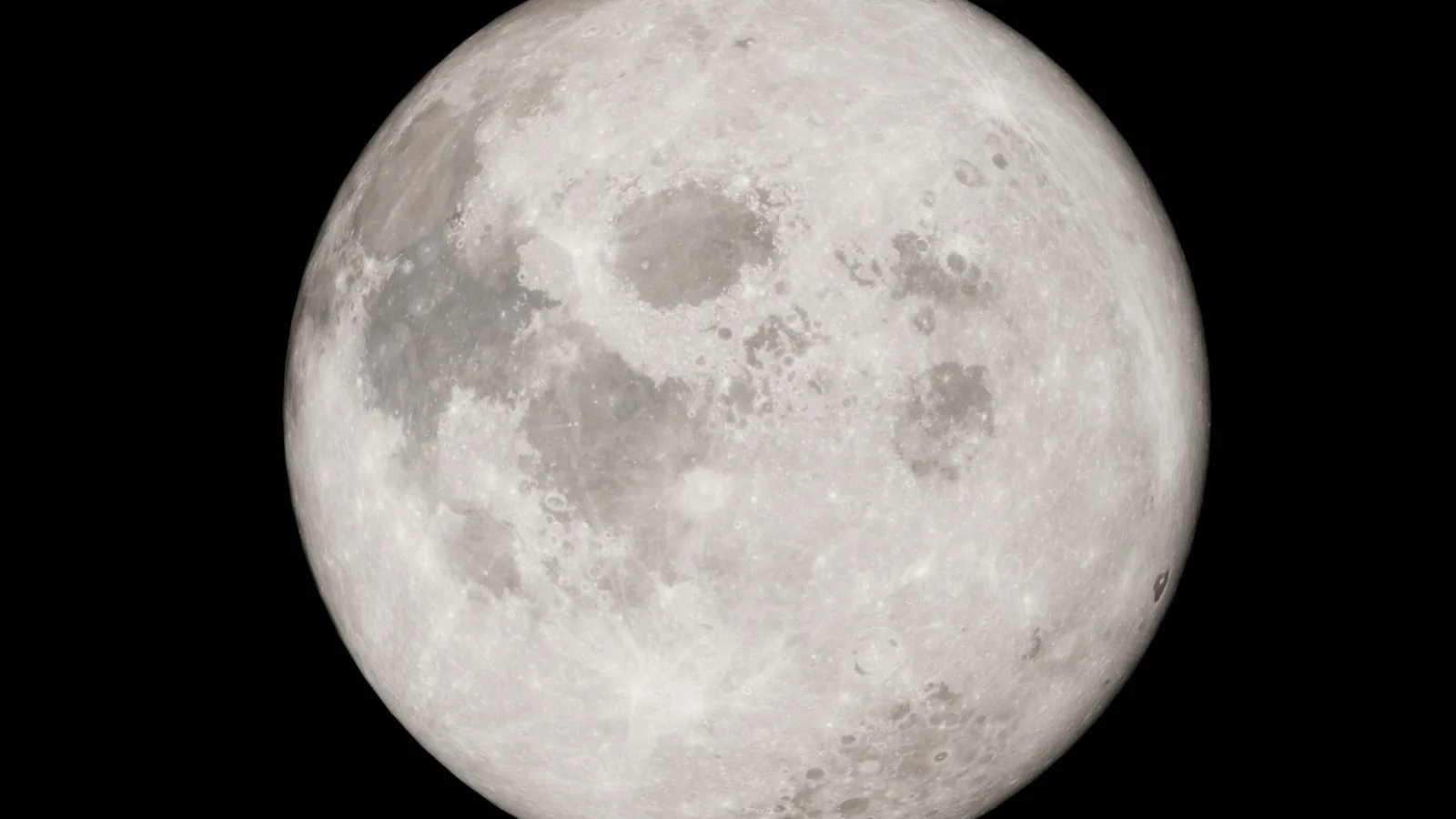
The Korean AeroSpace Administration said its lunar orbiter captured images after the collision on Wednesday and published them alongside earlier photos showing the same area of the lunar surface before the impact.
According to the agency, the rocket debris struck the Moon at about 06:35 GMT. SpaceX has said the impact was not intentional.
The object was the empty upper stage of a Falcon 9 rocket. Scientists had predicted it would hit the Moon at about 5,400mph, or 8,700km/h. The spent rocket section was described as being roughly the size of a five-storey building and weighing about 4,000kg on Earth.
The flash produced when the rocket part hit the lunar surface was expected to be brief and difficult to detect. Amateur astronomers, even those using high-end telescopes, were unlikely to have been able to capture it. Larger observatories and space agencies, including South Korea’s, are now analysing available data from the event.
The impact did not pose any danger to Earth, but it has added to concerns among astronomers about the increasing amount of hardware being left in orbit or on long, unstable trajectories through space.
Matt Bothwell, an astronomer at the University of Cambridge, said the incident highlighted wider issues caused by human activity beyond Earth. “Space is getting more and more crowded,” he said, adding that each year “we launch more stuff into space”.
He warned that if current trends continue, “it could feasibly be within a few decades that it’s actually quite hard to get past Earth’s orbit because space is so crowded”.
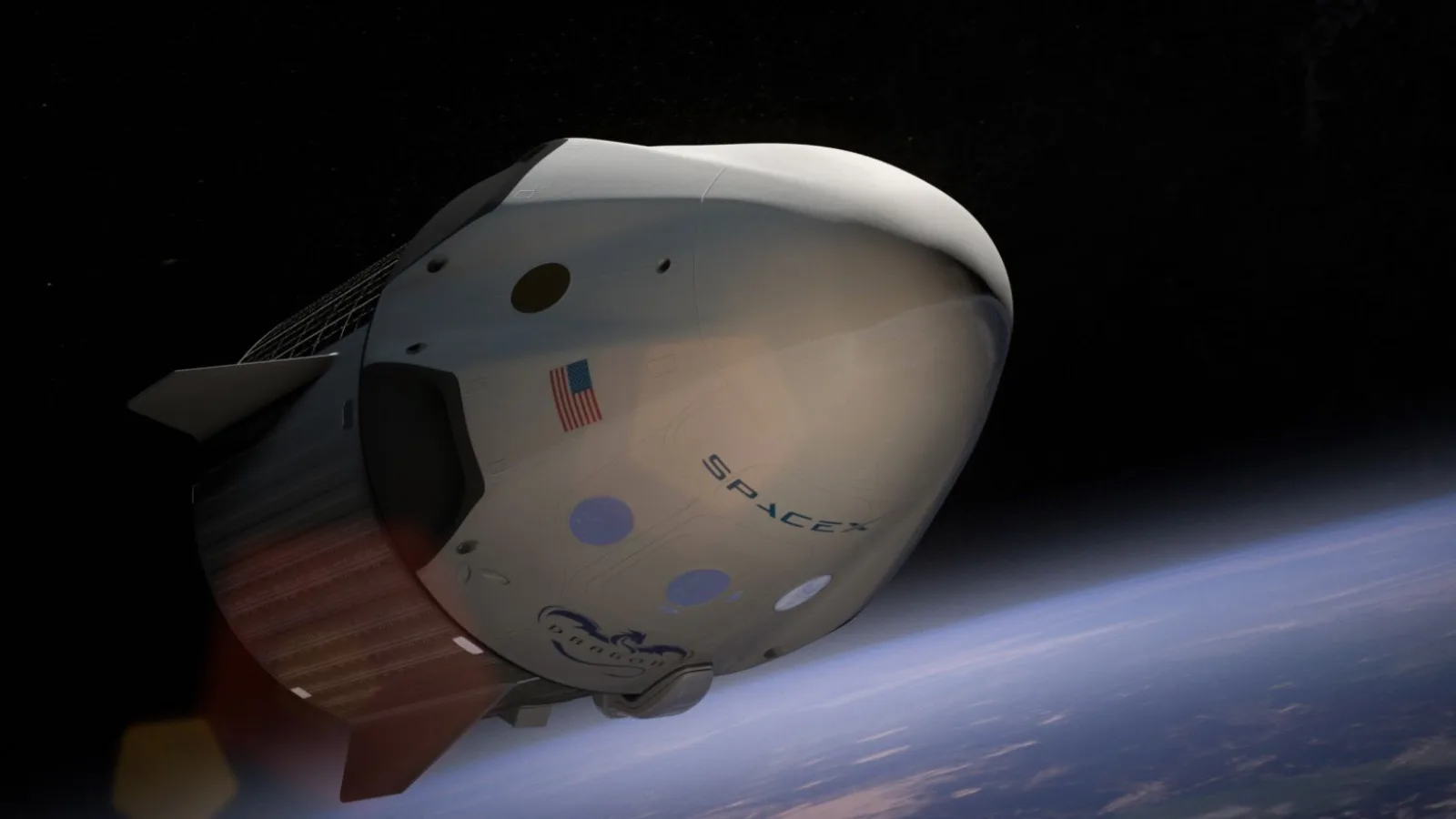
Falcon 9 rockets are designed so that the first-stage booster can return to Earth for reuse, while the upper stage continues its mission in space after separating. SpaceX has used the Falcon 9 system on many launches, including missions carrying satellites, cargo and spacecraft.
The upper stage involved in Wednesday’s lunar impact had been in space since January last year, after launching from Florida. That mission carried two lunar landers and required the rocket’s upper stage to fire with enough force to send both spacecraft out of Earth orbit and towards the Moon.
After completing that role, the spent stage was left drifting in a long, looping orbit that carried it out towards the Moon and back again. Over the following 18 months, small gravitational effects from the Earth, Moon and Sun, along with pressure from sunlight, gradually altered its path.
Astronomers tracking the object later calculated that those small changes had placed it on a collision course with the Moon. As it approached, the rocket part continued to gain speed before striking the lunar surface.
The event happened in broad daylight for many parts of the world. Even so, the flash created by the impact was far too faint to be seen through ordinary telescopes, according to expectations before the collision.
The same reusable booster section associated with the January 2025 launch is due to be used again on 10 August, according to SpaceX. The company has said that mission is intended to launch 29 Starlink satellites into low-Earth orbit.
Scientists are expected to study the data from the lunar impact to better understand what happens when human-made objects hit the Moon at high speed. The incident may also provide further evidence for researchers assessing how discarded rocket stages behave once they are left on complex paths influenced by multiple gravitational forces.
The Moon has no atmosphere to burn up incoming objects, meaning debris that reaches its surface can strike at high speed. While natural impacts from meteoroids are common, the tracking and prediction of human-made impacts has become more important as the number of launches increases.
The images released by South Korea’s space agency offer a before-and-after record of the area affected by the crash. Researchers will use such observations to compare the surface appearance before and after impact and to assess what can be learned from the event.
Although Wednesday’s collision was not hazardous to people on Earth, astronomers say it illustrates the need to monitor rocket bodies and other discarded objects more closely as space activity expands. The incident also shows how spent stages can remain in space for long periods before gravity and sunlight slowly shift them onto new paths.