SpaceX is understood to be close to finalising an agreement with the state of Louisiana that would give the rocket company control of approximately 130,000 acres of coastal marshland along the Gulf of Mexico, according to reporting by The Times-Picayune and The New Orleans Advocate.
The newspaper reported that Louisiana Governor Jeff Landry is expected to announce the agreement later this month, following months of unconfirmed speculation about SpaceX's interest in the state. Neither SpaceX nor Louisiana officials have publicly commented on the specifics of the arrangement.
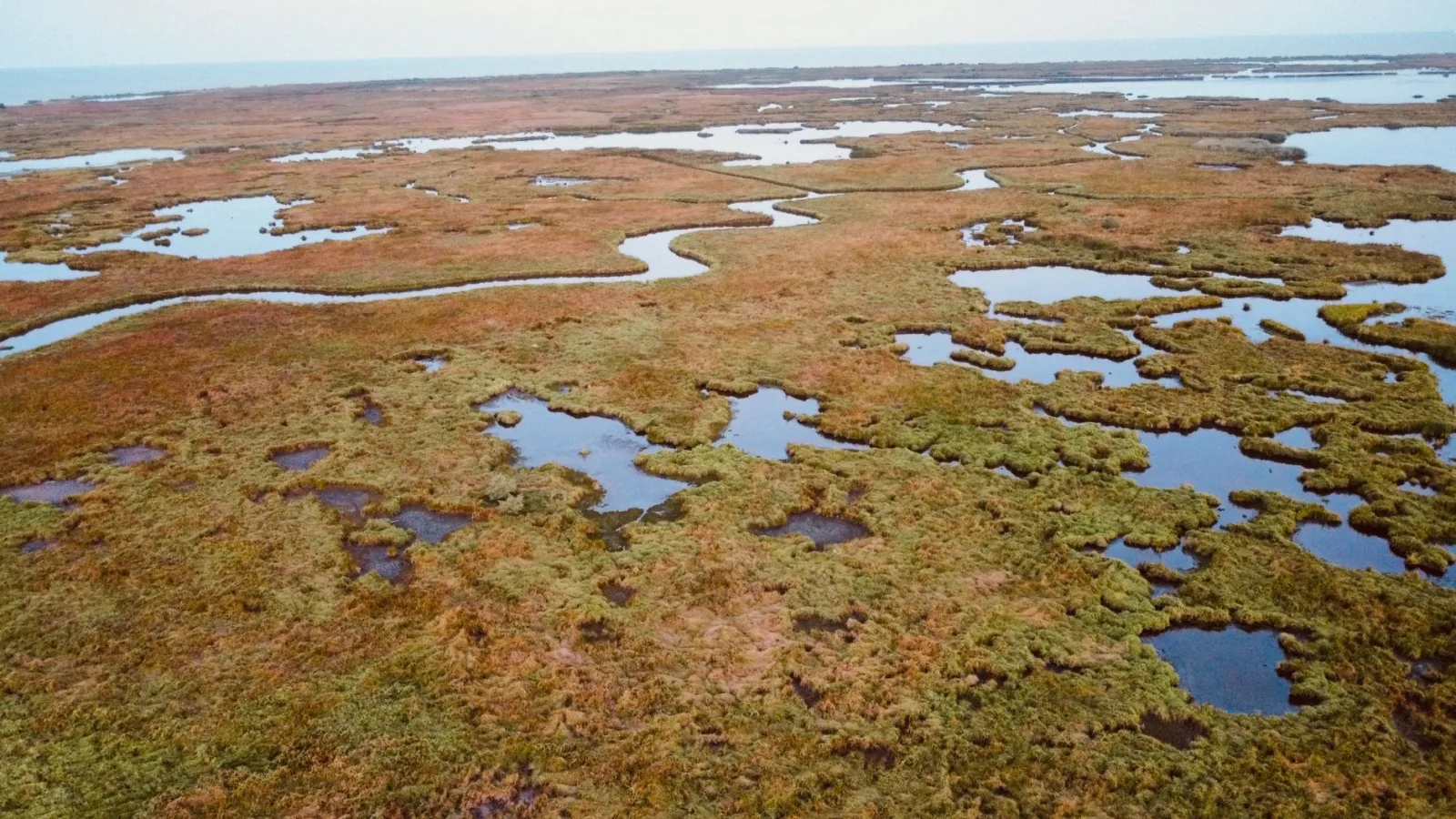
The land in question is an 18-mile stretch of marshland known as Pecan Island, located southwest of Lafayette. According to the newspaper's reporting, the site became available for development as part of a legal settlement resolving numerous lawsuits that accused ExxonMobil of causing pollution and contributing to coastal land loss in the area.
Under the reported terms, the agreement would include provisions for coastal restoration and protection of the marshland, which plays a significant ecological role as wildlife habitat and as a natural buffer against hurricanes that regularly affect the region.
Company statements and legislative context
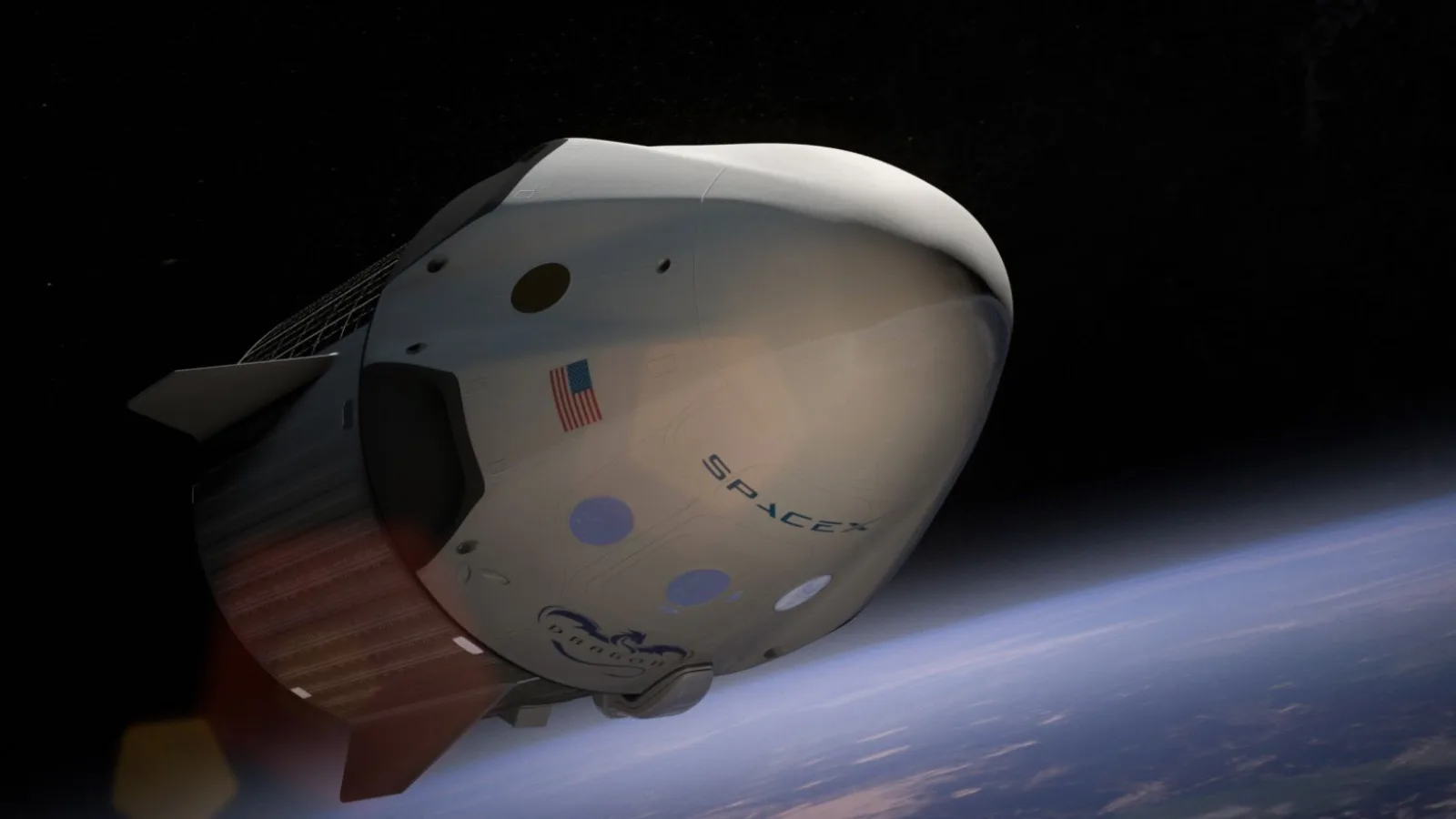
SpaceX has not confirmed the Louisiana deal directly, but the company addressed related rumours in May in a post on the social media platform X, stating that it intends to launch its Starship rocket "a lot, targeting thousands of flights per year," and that achieving that launch cadence "will require the ability to launch from many different locations."
The company added that it was "constantly exploring to find viable sites to expand Starship operations in the future, both domestically and internationally," without naming Louisiana specifically at the time.
Speculation about a Louisiana site intensified earlier this year when the state legislature passed a package of incentives aimed at aerospace companies, including liability protections and property tax breaks, according to the newspaper's reporting.
Why Louisiana appeals to SpaceX
SpaceX's stated ambitions to launch Starship at high frequency in support of a large constellation of satellites, including planned orbital data centres, would require additional launch capacity beyond its existing facilities.
The company currently operates its Starbase site in South Texas and is developing launch infrastructure at Cape Canaveral in Florida. Both locations, however, face constraints. Starbase has limited room for further expansion, while the Florida sites are shared with other launch operators and face scheduling pressures.
The Pecan Island location offers several practical advantages that industry analysts have pointed to. Its proximity to the Intracoastal Waterway would allow deep-water barge access, useful for transporting rocket components. The site is also relatively close, by barge, to SpaceX's Starfactory manufacturing facility near Boca Chica in South Texas.
The site's geography may also support access to polar orbits, which run north to south rather than the west-to-east path of equatorial orbits. Many of SpaceX's planned satellites, including those intended for orbital data centre applications, are expected to require near-polar orbits. From the Louisiana coast, a Starship launch could potentially reach such an orbit after passing over a limited stretch of Mexican territory, roughly 1,000 miles downrange, according to industry assessments.
Proximity to natural gas infrastructure is another cited factor. Starship relies on methane as propellant, and the Pecan Island site sits a few dozen miles from the Henry Hub, one of the most extensively interconnected natural gas distribution points in the world. This proximity could provide more reliable and larger-scale propellant supply than is currently available at either the Texas or Florida sites.
Environmental and economic considerations
A launch facility of this scale in a sensitive wetland environment would likely raise environmental and logistical questions, echoing concerns raised over the past decade at the Starbase facility in South Texas, where local communities and environmental groups have objected to the project's ecological impact and disruption to the area.
Despite that opposition, the Texas site has generated substantial economic activity. SpaceX directly employs roughly 5,000 people in the Brownsville region, and some economic analyses suggest the facility supports up to 24,000 jobs when indirect employment is included. Launch events have also drawn increased tourism to the area.
Louisiana officials may be weighing similar economic prospects in considering the SpaceX agreement, though no formal projections for job creation or investment have been made public.
As with the reported land transfer itself, the precise scope of environmental safeguards, regulatory review and community consultation attached to any Louisiana launch site remains unclear pending an official announcement from the state or the company.
The proposed agreement reflects the broader challenge facing SpaceX as it seeks to scale up Starship operations: a shortage of undeveloped coastal land in the United States suitable for high-frequency orbital launches. Should the Louisiana deal proceed as reported, it would mark a significant expansion of the company's launch infrastructure along the Gulf Coast, with implications for regional economic development, environmental management and the pace of the United States' commercial space activity in the years ahead.