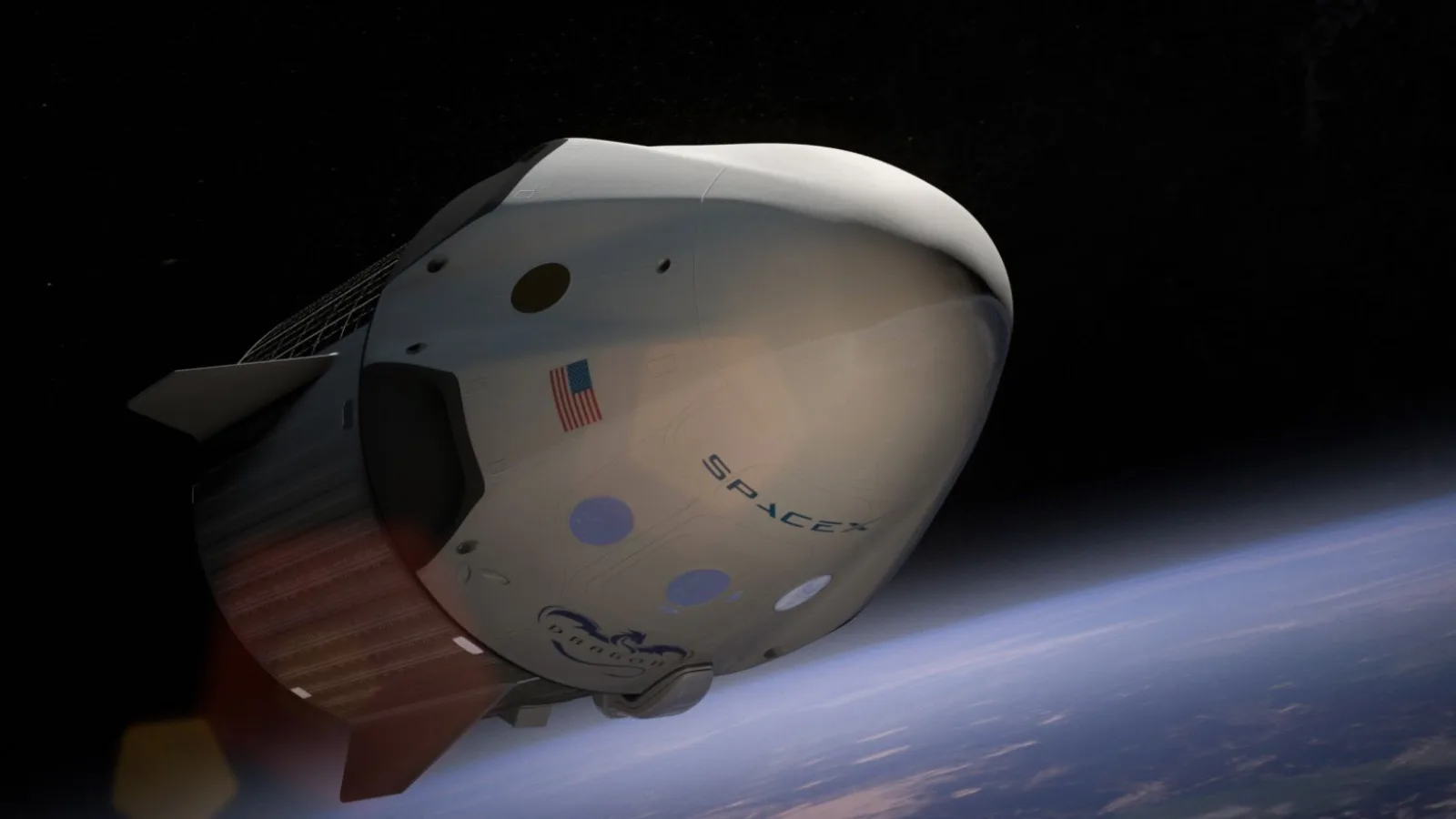
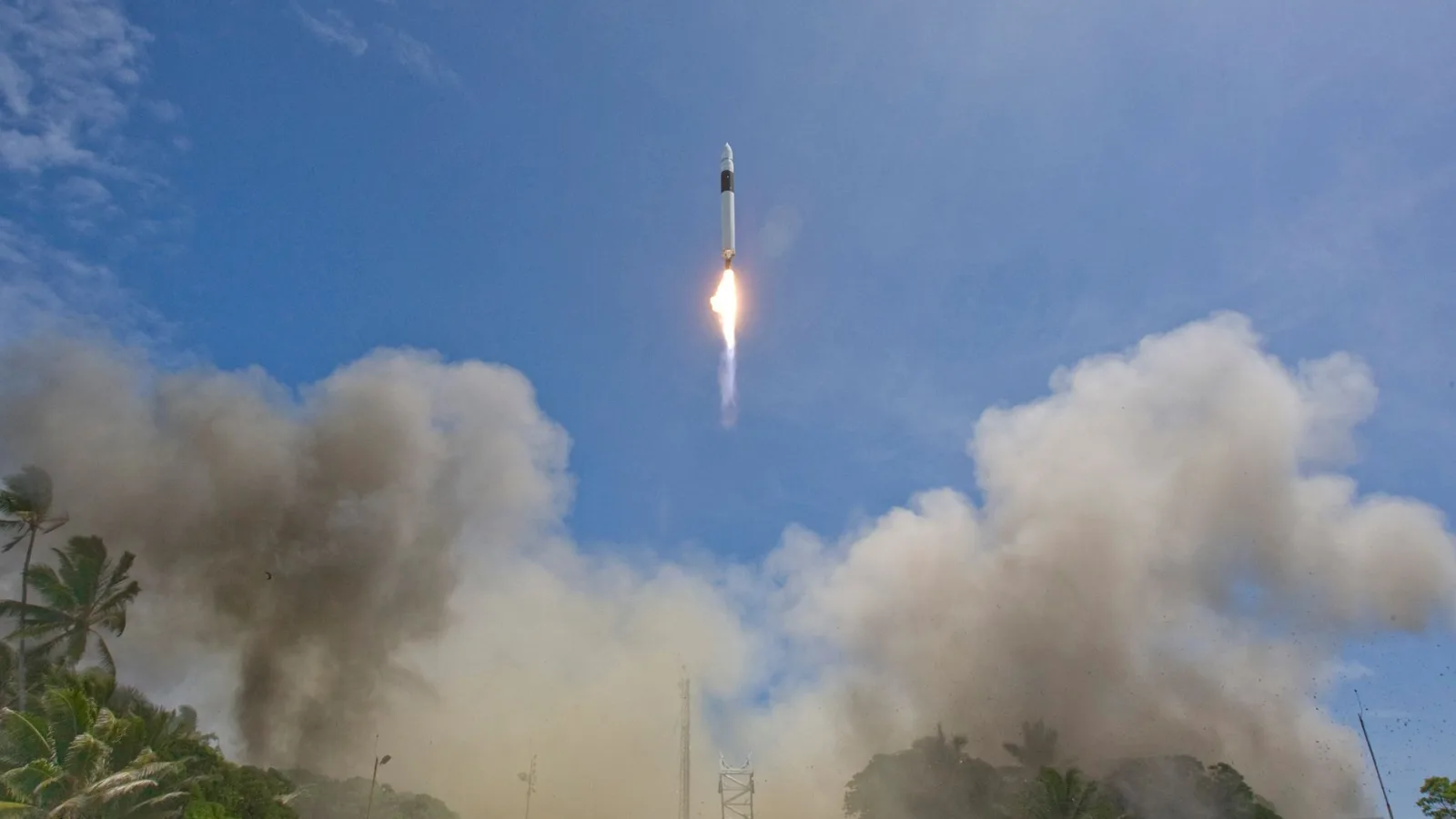
SpaceX has completed the 13th test flight of its Starship rocket, achieving most of its objectives despite a rough landing for the booster component. The vehicle lifted off from the company's Starbase facility in Texas at 5:51pm local time on Friday, following earlier delays linked to engine replacements.
Starship completed a controlled splashdown in the Indian Ocean roughly one hour and five minutes after launch, according to SpaceX. The company said the spacecraft remained afloat following the landing, which it described as part of a deliberate manoeuvre to replicate the flight path future missions would take when returning to land at Starbase.
The test forms part of an ongoing development programme for Starship, the largest and most powerful rocket system SpaceX has built. The vehicle is central to the company's plans for reusable spaceflight and is also under contract with NASA to support future crewed lunar landings under the Artemis programme.
Heatshield data and reusability testing
SpaceX said the flight allowed engineers to collect data on how Starship's heatshield performs under operational conditions, information the company considers essential to making the spacecraft reliably reusable. Repeated, low-cost reuse of both the booster and upper stage is a core requirement of SpaceX's long-term strategy for reducing launch costs.
The mission also tested a manoeuvre designed to mirror the trajectory Starship would follow on missions that both launch and land at the same site. SpaceX said this capability would be important for reducing turnaround times between flights, a key factor in the commercial viability of reusable rockets.
Booster suffers hard landing
While the Starship upper stage performed largely as planned, the Super Heavy booster used to lift it off the pad encountered difficulties during its return to Earth. SpaceX said the booster successfully completed the high-thrust phase of its boostback burn using all 33 engines, a first for the newer Super Heavy V3 design, before the burn ended earlier than intended.
The booster then attempted to relight a portion of its engines for the landing burn. According to SpaceX, only some of these engines successfully ignited, resulting in what the company described as a hard splashdown in the Gulf. SpaceX had aimed for a smoother landing, which would have required more engines to fire successfully during the final descent.
Satellite deployment and engine restart
After the booster and Starship separated, the upper stage used its six Raptor engines to reach its intended speed and orbital path. Starship then deployed 20 Starlink V3 satellites, which SpaceX confirmed were functioning normally. Six of the satellites were positioned to observe the spacecraft's heatshield during the test.
The satellites were not intended to join SpaceX's operational Starlink network. Instead, the company allowed them to re-enter the atmosphere, where it said they broke apart roughly 20 minutes after release.
Later in the flight, Starship carried out a brief in-space restart of one of its Raptor engines while coasting outside the atmosphere. SpaceX said the successful restart demonstrated technology that will be required for future missions involving sustained orbital flight, as well as trajectories capable of reaching the Moon.
Significance for future missions
NASA has selected a variant of Starship as the lunar lander for its Artemis programme, which aims to return astronauts to the Moon's surface. Demonstrating reliable engine restarts and heatshield performance is considered a prerequisite for any mission profile involving extended time in space or a lunar landing sequence.
SpaceX chief executive Elon Musk said he hopes the next Starship test flight will include an attempt to catch the returning Super Heavy booster using robotic arms at Starbase, a manoeuvre the company has previously used to recover boosters without a traditional landing burn. Musk said the technique represents a further step towards faster turnaround between launches.
The company has not yet confirmed a date for the next test flight. SpaceX's Starship programme has involved a series of incremental test flights, with each mission designed to validate specific systems rather than complete a fully operational mission profile.
Context
Starship is designed to be fully reusable, with both the booster and upper stage intended to return to Earth for refurbishment and reflight. The approach mirrors, but significantly expands upon, the partial reusability SpaceX has already achieved with its Falcon 9 rocket, which routinely lands its first-stage boosters after launch.
Friday's flight represents the latest in a series of test missions that have alternated between full or partial successes and significant technical setbacks, reflecting the experimental nature of the programme. SpaceX has generally treated hardware losses and landing failures during testing as expected steps in an iterative development process, rather than as mission failures in themselves.
The outcome of Friday's test suggests SpaceX has made further progress on the systems required for reusable spaceflight, even as the booster recovery process continues to require refinement. Any future missions involving crewed lunar landings will depend on the continued reliability of these systems, underscoring the significance of each test flight to both SpaceX's commercial ambitions and NASA's broader lunar exploration plans.