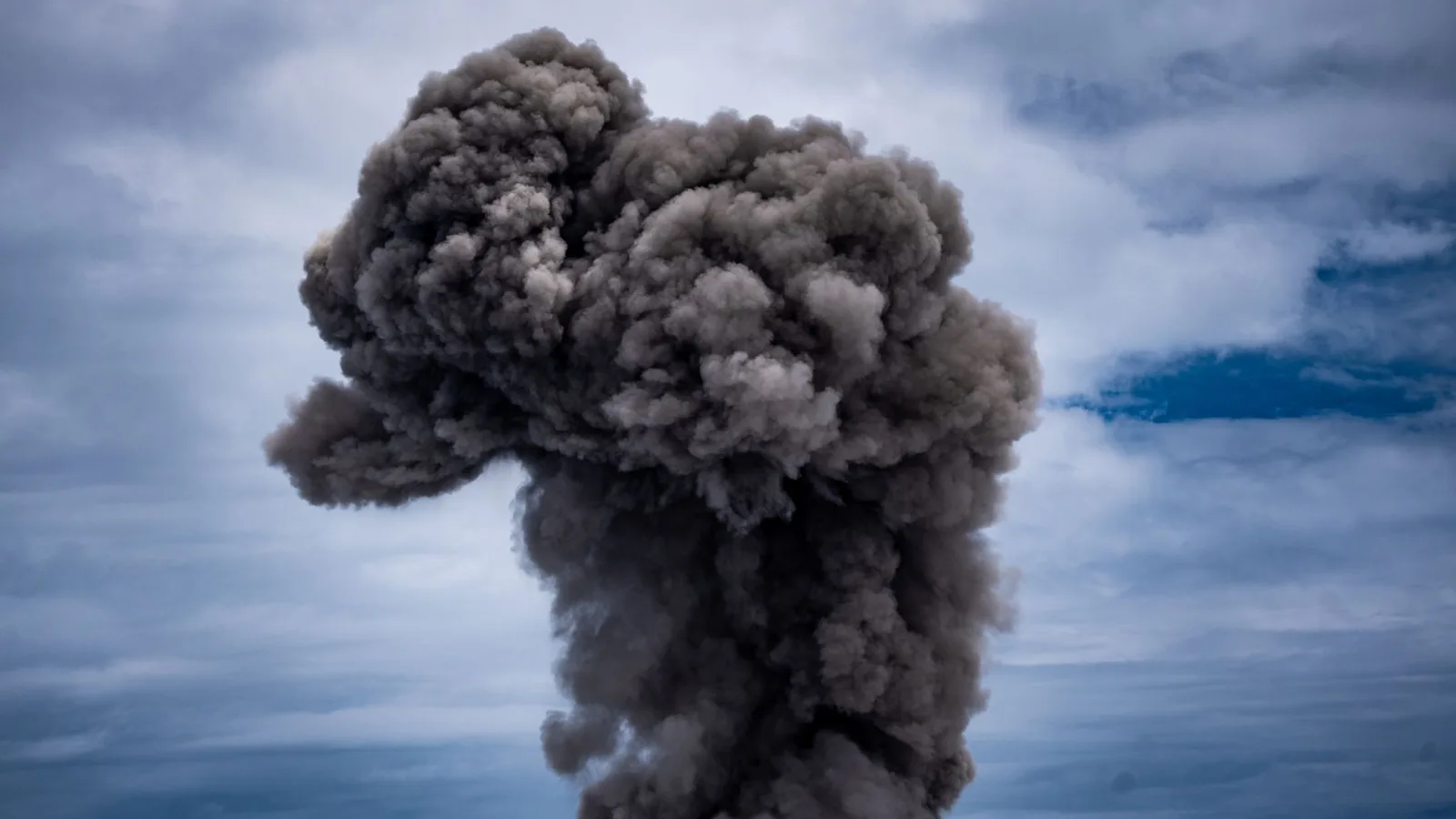
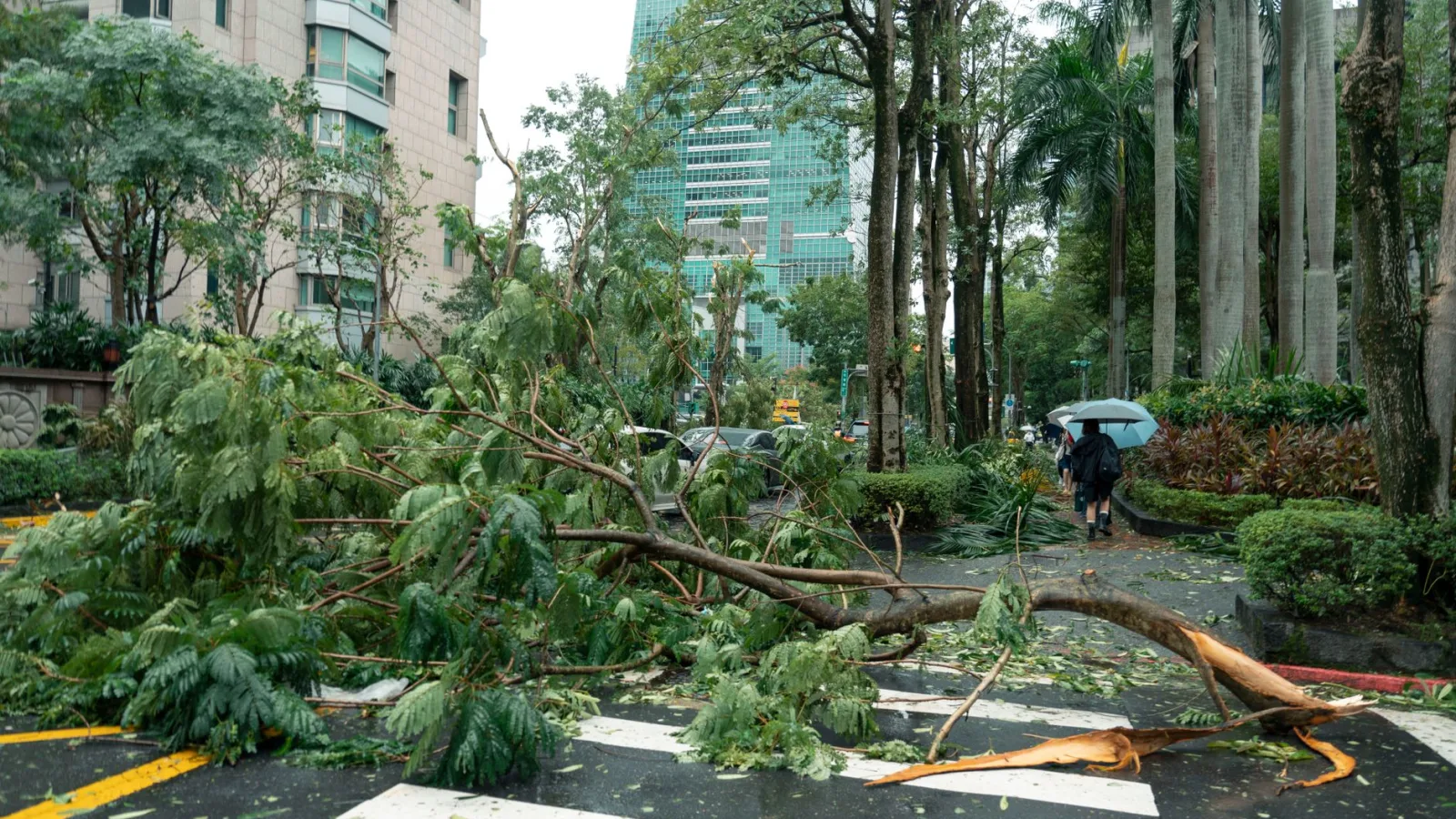
Super typhoon Bavi has made landfall across Guam and the Northern Mariana Islands, bringing sustained winds of nearly 290km/h (180mph) and gusts reaching 350km/h, according to the US National Weather Service (NWS). The agency described the storm as “very dangerous” and warned it had the potential to cause “catastrophic” damage across the US Pacific territories.
The NWS said waves generated by the storm could reach almost 11m (35ft) in height. An official cited by AFP confirmed reports of “major damages” on the Northern Mariana Islands, though a full assessment of the impact had not yet been completed at the time of reporting.
The western Pacific is one of the world’s most active regions for tropical cyclones, though storms of Bavi’s intensity remain uncommon for US territories in the area. Scientists studying long-term weather patterns have said that climate change is contributing to an increase in the frequency of powerful typhoons, though attributing any single storm directly to broader climate trends requires careful scientific analysis.
Ahead of landfall, residents across the region moved into emergency shelters and undertook last-minute preparations. In the Northern Mariana Islands, the island of Rota, located roughly 50km north-east of Guam, was reported by the NWS to be taking a direct hit from the storm.
Local authorities issued an advisory urging residents to prepare for “destructive winds”, warning that conditions were expected to deteriorate rapidly and that it would become unsafe to remain outdoors. A spokesperson for Rota’s mayor’s office told AFP that the island was experiencing heavy winds and flooding, with some residents reporting significant damage to property.
On the neighbouring island of Saipan, meteorologist Marcus Landon Aydlett told the Associated Press that wind gusts exceeding 161km/h (100mph) had been recorded at the local airport. He noted that many residents on the island remained without power following an earlier storm, super typhoon Sinlaku, which struck Guam and the Northern Mariana Islands in April. That earlier storm was reported to have killed 17 people and caused an estimated $1.5bn (£1.1bn) in damage.
The NWS said typhoon-force winds were not forecast to subside until early afternoon on Monday, with tropical storm-force winds expected to persist until after midnight.
Guam, a US territory with a population of approximately 170,000 people and a longstanding tourist destination, opened five evacuation centres in local schools ahead of the storm’s arrival. These facilities have a combined capacity of around 1,700 people and are intended primarily to accommodate vulnerable residents. The island’s civil defence office reported on Sunday afternoon that one evacuation site had already reached full capacity, with additional arrivals being redirected elsewhere.
Bavi has been classified as a super typhoon by the Joint Typhoon Warning Center (JTWC), a US military unit responsible for monitoring tropical cyclone activity in the western Pacific. Under this classification system, a super typhoon is defined as a storm with sustained winds exceeding 240km/h. The NWS considers such storms to carry destructive potential comparable to a category four or five hurricane.
Business owners across the region took steps to protect property in the days before landfall. Pinky Cubacub, a 55-year-old business owner in Guam, told AFP she had spent approximately $500 (£373) on plywood to board up the windows of her eatery. She said the financial impact of closure would be significant, noting that current earnings were being used to cover rent, utilities and staff wages.
Travel disruption was also reported. Miku Sakurai, a 25-year-old tourist from Japan, told AFP that her scheduled return flight to Tokyo had been cancelled as a result of the storm, requiring her to remain in her hotel through the duration of the weather event.
According to figures cited by the NWS, Bavi represents the eleventh category four or five tropical cyclone to strike US territory within the past decade, a rate exceeding the total number of such storms recorded across the previous 57 years combined. Meteorologists have linked part of this increase to a strong El Niño event, a periodic warming of surface waters in the Pacific Ocean that influences global weather patterns and is associated with more intense tropical storm activity.
Officials in Guam and the Northern Mariana Islands are expected to provide further updates on damage and recovery efforts as conditions ease. The full scale of the impact from Bavi, including any casualties or infrastructure damage, remains under assessment.