President Donald Trump has said he believes Greenland will come under United States control before he leaves office in January 2029, restating a claim he has made repeatedly since before returning to the White House. The remark, made during a radio interview, is the latest in a series of statements by the president suggesting the semi-autonomous Danish territory should pass to American authority, a position that has drawn concern from European governments over the island's sovereignty.
Speaking to Real America's Voice host Steve Gruber on Friday, Trump responded to a prediction that Greenland would come under US "operational control" by saying Gruber would "be right" and that "they want to do something." He added that Greenland was "important from our standpoint, not from their standpoint," without elaborating on what arrangement he expects to be reached.
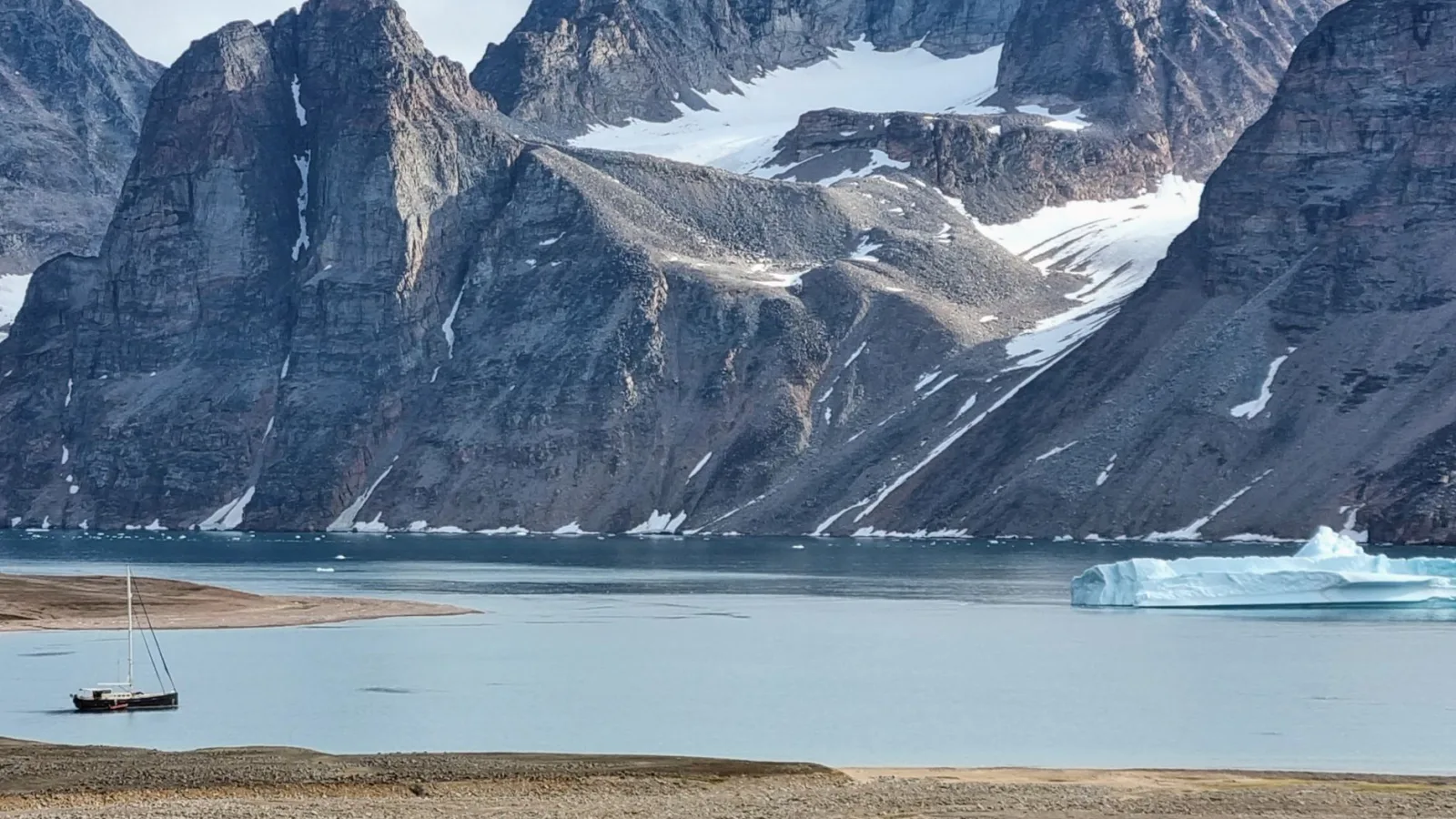
Trump has argued for more than a year that the US should acquire Greenland on national security grounds, citing the risk that strategic rivals, principally Russia and China, could gain influence over the island if Washington does not act. Greenland sits along key Arctic shipping and defence routes and hosts a US military installation, Pituffik Space Base, under a long-standing agreement with Denmark.
The territory is a self-governing part of the Kingdom of Denmark, with its own parliament responsible for most domestic affairs while Copenhagen retains authority over foreign policy and defence. Denmark and other European governments have characterised Trump's stated ambitions as a challenge to Greenlanders' right to determine their own political future, a principle they say cannot be set aside regardless of the island's strategic value.
Tensions over the issue escalated in January, when Trump threatened to impose a 10 percent tariff on goods from several European allies, including Denmark, unless what he described as a "complete and total purchase" of Greenland was agreed. The threat was later shelved after Trump said he had held a "very productive" meeting with NATO Secretary General Mark Rutte, during which the two discussed what Trump characterised as the outline of a future arrangement concerning the territory. Neither side has publicly detailed what such a framework would involve, and Danish officials have not confirmed any agreement to alter Greenland's status.
Despite that apparent easing of tensions, Trump has continued to raise the issue in subsequent months. Earlier this month, he posted an edited image on his Truth Social platform depicting a meeting with European leaders in the Oval Office, in which a map showing Greenland and several other countries had been altered to display a superimposed American flag. The White House did not offer further explanation of the image's intent, and it drew criticism from commentators who viewed it as an implicit assertion of territorial claims over allied and partner nations.
Greenland's political leadership has previously said the island is not for sale and that any decision on its future status rests with its own population and institutions, not with external governments. Danish officials have similarly stressed that sovereignty over Greenland cannot be transferred through negotiations between Washington and Copenhagen alone, given the territory's self-governing arrangements.
Financial prediction markets, which allow users to trade on the likelihood of future events, currently assign a low probability to any near-term change in Greenland's status. On Polymarket, contracts tied to a US acquisition of Greenland before 2027 were trading at around a four percent probability. On Kalshi, markets showed roughly a 6.8 percent chance of the United States acquiring any new territory before 2027, rising to about 22 percent when the timeframe was extended to the end of Trump's term in January 2029. These figures reflect trader sentiment rather than any formal assessment by governments or international bodies, and do not constitute a forecast of policy outcomes.
The renewed attention to Greenland comes against a broader backdrop of debate within NATO and among European governments over Arctic security, as melting sea ice opens new shipping routes and raises the strategic importance of the region. Denmark, along with other Arctic and near-Arctic states, has in recent years increased investment in monitoring and defence capacity in the area, citing concerns about growing Russian military activity in the Arctic.
No formal proposal for a change in Greenland's sovereign status has been presented through diplomatic channels between Washington and Copenhagen, according to public statements from both governments. Any such change would likely require agreement not only between the United States and Denmark but also the consent of Greenland's own government and population, given the territory's constitutional arrangements within the Danish realm.
Trump's latest comments are likely to keep the issue in focus among European allies, who have repeatedly sought reassurance that Washington's Arctic ambitions will not override the territorial integrity of a NATO member state. Whether the president's prediction reflects an active negotiating position or a restatement of long-standing rhetoric remains unclear, and officials in Copenhagen and Nuuk have not indicated that discussions on Greenland's status have progressed beyond the general terms described by Trump earlier this year.