
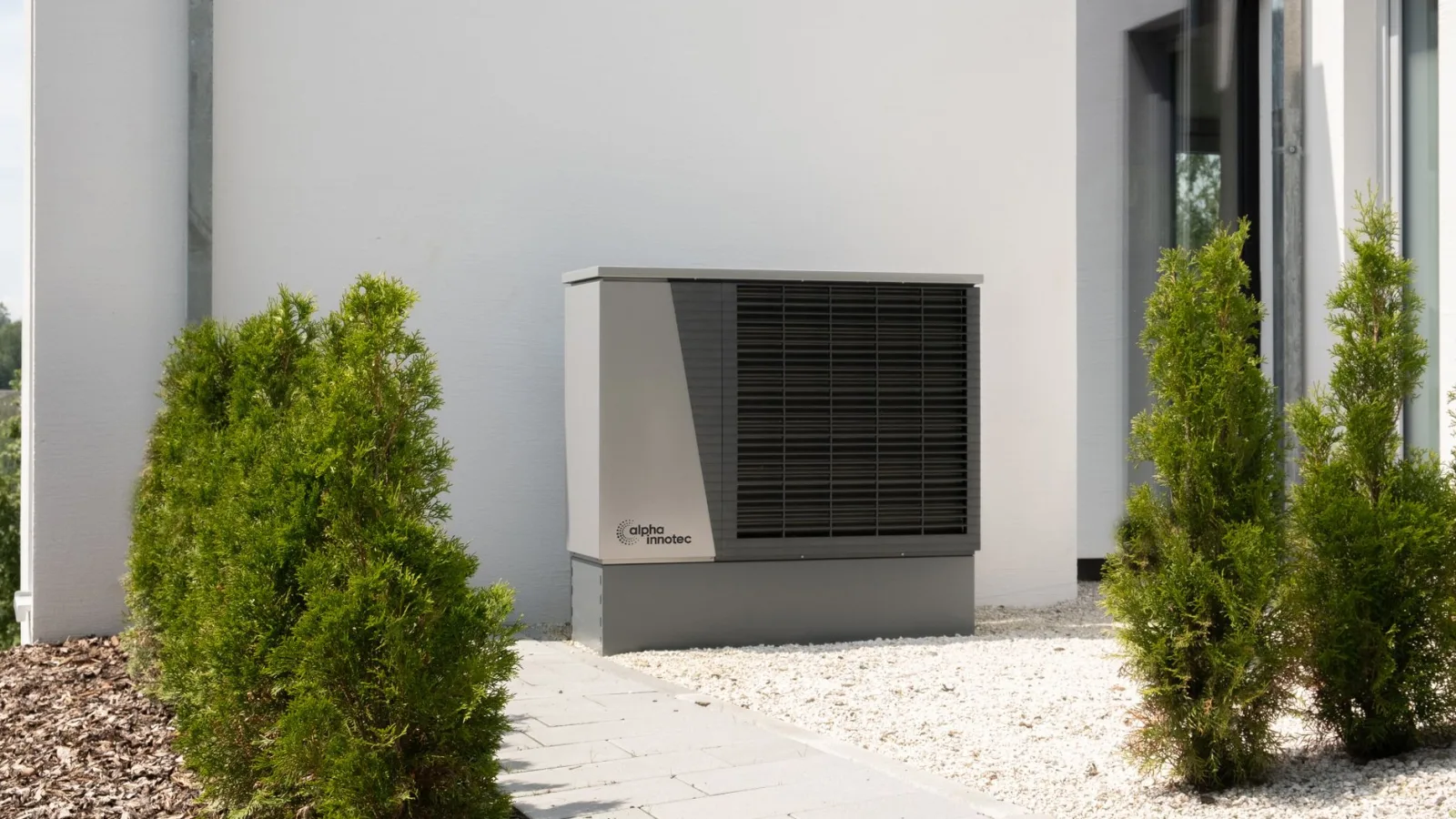
Government figures show that no household has successfully claimed a £2,500 grant for air-to-air heat pumps under the Boiler Upgrade Scheme since the funding became available in April, despite 62 applications being submitted. The shortfall has been attributed to delays in the accreditation process for installers rather than any lack of demand from homeowners.
The Boiler Upgrade Scheme, administered by the Department for Energy Security and Net Zero (DESNZ), was expanded last November to include air-to-air heat pumps and thermal batteries alongside its existing support for ground and air source heat pumps. The vouchers are intended to help households move away from fossil fuel heating systems, with air-to-air units offering the additional benefit of providing cooling in summer as well as heating in winter when run in reverse.
Eligibility is limited to properties currently using oil or gas boilers, reflecting the scheme's broader aim of reducing reliance on fossil fuels across the domestic housing stock. However, the mechanism by which installers become authorised to fit the equipment and process grant applications has yet to be finalised.
The Microgeneration Certification Scheme (MCS), the body responsible for accrediting installers, is reported to be awaiting final approval from the United Kingdom Accreditation Service (UKAS) before it can begin certifying tradespeople to install air-to-air heat pumps under the scheme. Without this accreditation, installers cannot process claims on behalf of customers, effectively preventing any of the 62 applicants from having their grants issued.
No timeline has been published for when this accreditation process might be completed, more than five months after the grants were made available to homeowners. Homebuilding & Renovating, which first reported the figures, said it had approached both MCS and UKAS for comment but had not received a response at the time of publication.
Jess Ralston, head of energy at the Energy and Climate Intelligence Unit (ECIU), described the situation as frustrating, noting that funding had been allocated but remained inaccessible because the necessary paperwork and certification processes were not yet in place. Ralston pointed to the human cost of extreme heat, referencing estimates that the June heatwave contributed to more than 800 deaths, and said such events tend to disproportionately affect lower-income households who may struggle to afford cooling solutions.
Ralston said the scheme was designed to help address this gap by offering financial support of up to £2,500 towards air-to-air heat pumps, which she noted could serve dual purposes of heating and cooling depending on the season. She acknowledged, however, that the technology would not be suitable for every property.
When approached for comment, DESNZ did not directly confirm or deny that certification delays were responsible for the lack of successful claims. A department spokesperson instead pointed to broader demand for heat pump technology, stating that the Warm Homes Plan would support the rollout of clean power technology to millions of households, and that the £2,500 grant for air-to-air heat pumps was intended to help ensure wider access to associated savings while strengthening energy security.
The delay illustrates a recurring challenge in the rollout of government-backed green technology schemes, where funding announcements can outpace the administrative and regulatory infrastructure needed to deliver them. In this instance, the gap between the scheme's launch and the completion of installer accreditation has left applicants unable to access support despite having already applied.
For the Boiler Upgrade Scheme more broadly, the air-to-air heat pump and thermal battery components represent a relatively small but symbolically significant expansion, aimed at addressing both winter heating costs and the growing issue of summer heat exposure in UK homes. The absence of any successful claims to date raises questions about how quickly the accreditation bottleneck can be resolved and whether similar delays might affect future additions to government energy schemes.
DESNZ has not indicated when UKAS is expected to complete its sign-off of the MCS accreditation process, meaning the timeline for when installers will be able to begin fitting air-to-air heat pumps under the scheme remains unclear. In the meantime, the 62 households that have already applied continue to wait for a resolution that would allow their claims to proceed.