Global oil prices have surged sharply amid escalating tensions in the Middle East and a looming hurricane threat off the US coast, triggering a widespread sell-off across global bond and stock markets.
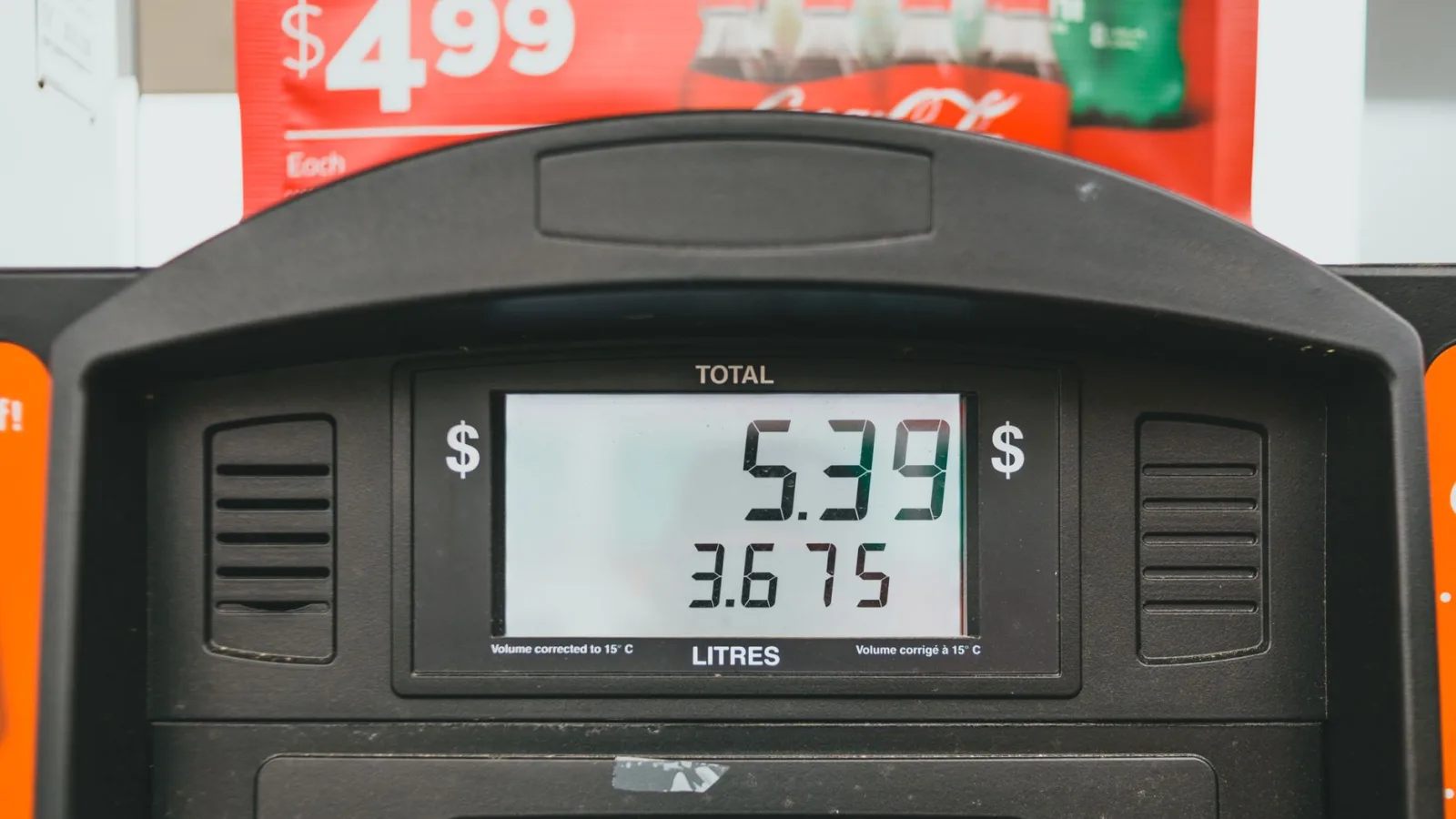
Brent crude, the international benchmark, saw its price rise by 5% on Thursday, reaching $105.3 a barrel. This increase has intensified investor concerns that higher energy costs could exacerbate inflation, prompting expectations of further interest rate hikes from central banks.
The market instability follows a report by The Atlantic, which indicated that the White House had requested the Pentagon to formulate potential options for military strikes against Iran. This request reportedly comes ahead of the US midterm elections next month. The report, citing unnamed officials within Donald Trump's administration, suggested that the scale and specific targets of any potential strikes, as well as whether they would ultimately proceed, remained under discussion.
This development has reportedly diminished hopes for a de-escalation of the conflict with Iran prior to the upcoming midterm polls. The report speculated that a "limited operation" could potentially be followed by more significant action once the elections have concluded.
Further military action against Iran introduces additional risks to the stability of oil supplies originating from the Middle East. The US-Israeli conflict against Tehran is now in its eighth month, contributing to an environment of heightened regional instability. Attacks on tankers traversing the Strait of Hormuz have reached their highest levels throughout the duration of this conflict, resulting in reduced traffic through the crucial waterway and deepening anxieties regarding global oil supply.
The most recent incident occurred on Wednesday, when a tanker was reportedly struck by projectiles off the northern coast of Qatar. United Kingdom Maritime Trade Operations (UKMTO) confirmed the attack, which resulted in casualties.
Concurrently, oil prices have also reacted to a squeeze on production within the Gulf of Mexico. Tropical Storm Isaias has strengthened, becoming the first hurricane of the Atlantic season, and is forecast to make landfall in the region on Friday or Saturday.
In response to the approaching storm, major energy companies Shell and Chevron announced the shutdown of their production operations in the Gulf of Mexico, further contributing to concerns about supply reductions.
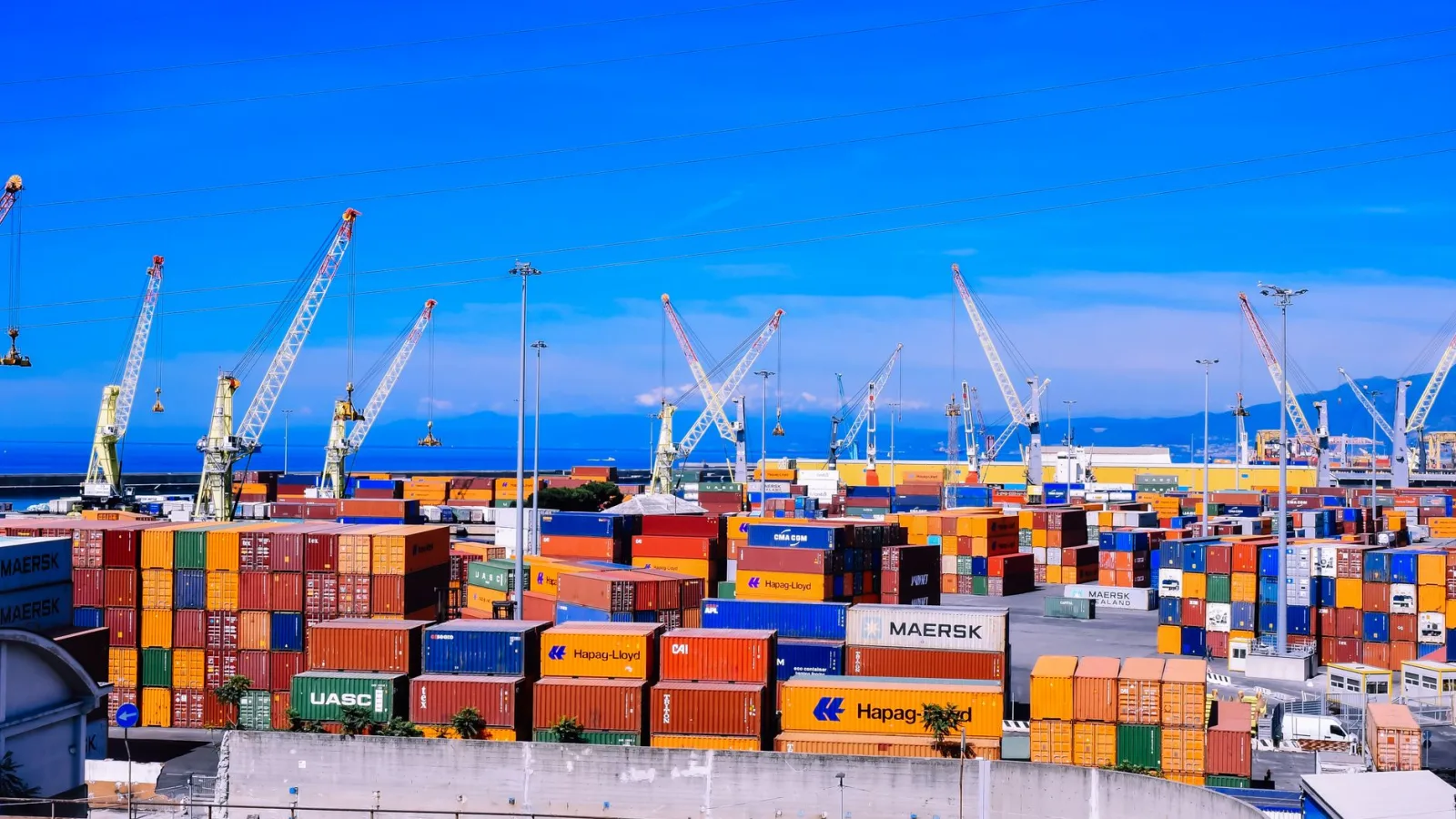
The rising energy prices have resonated across the global economy. The Danish shipping group Maersk announced on Thursday that it would be increasing its emergency fuel surcharge across all its export collections and import deliveries. This move underscores the inflationary pressures stemming from higher energy costs and reinforces market expectations that central banks will need to raise interest rates to manage price increases.
The sell-off in global bond markets continued throughout Thursday. In the UK, the yield on the 10-year government bond, which serves as a key indicator of the government's borrowing cost, reached 5.515%. This marks its highest level since July 2007, representing an increase of six basis points. Similarly, the yield on the 30-year bond, which reflects the UK's long-term borrowing costs, rose by three basis points to 6.0117%, having briefly touched 6.036% on Wednesday – its highest point since January 1998.
The escalating cost of government borrowing presents additional challenges for John Healey, the UK Chancellor, as he prepares to unveil his inaugural budget on 28 October.
Across Europe, bond markets also experienced significant movements. In France, where concerns about rising national debt and increased public spending have been particularly pronounced, the 10-year yield climbed by six basis points to 4.931%. This figure sits just below the 24-year high of 4.994% recorded last week. The German 10-year yield, considered the benchmark for European sovereign debt, also saw an increase, rising by two basis points to 3.504%.
In the United States, the yield on the 10-year Treasury, widely regarded as a benchmark for high-quality government debt, increased by five basis points to 5.331%. Bond yields typically rise when their prices fall, indicating investor appetite for higher returns in a period of perceived increased risk or inflationary pressure.
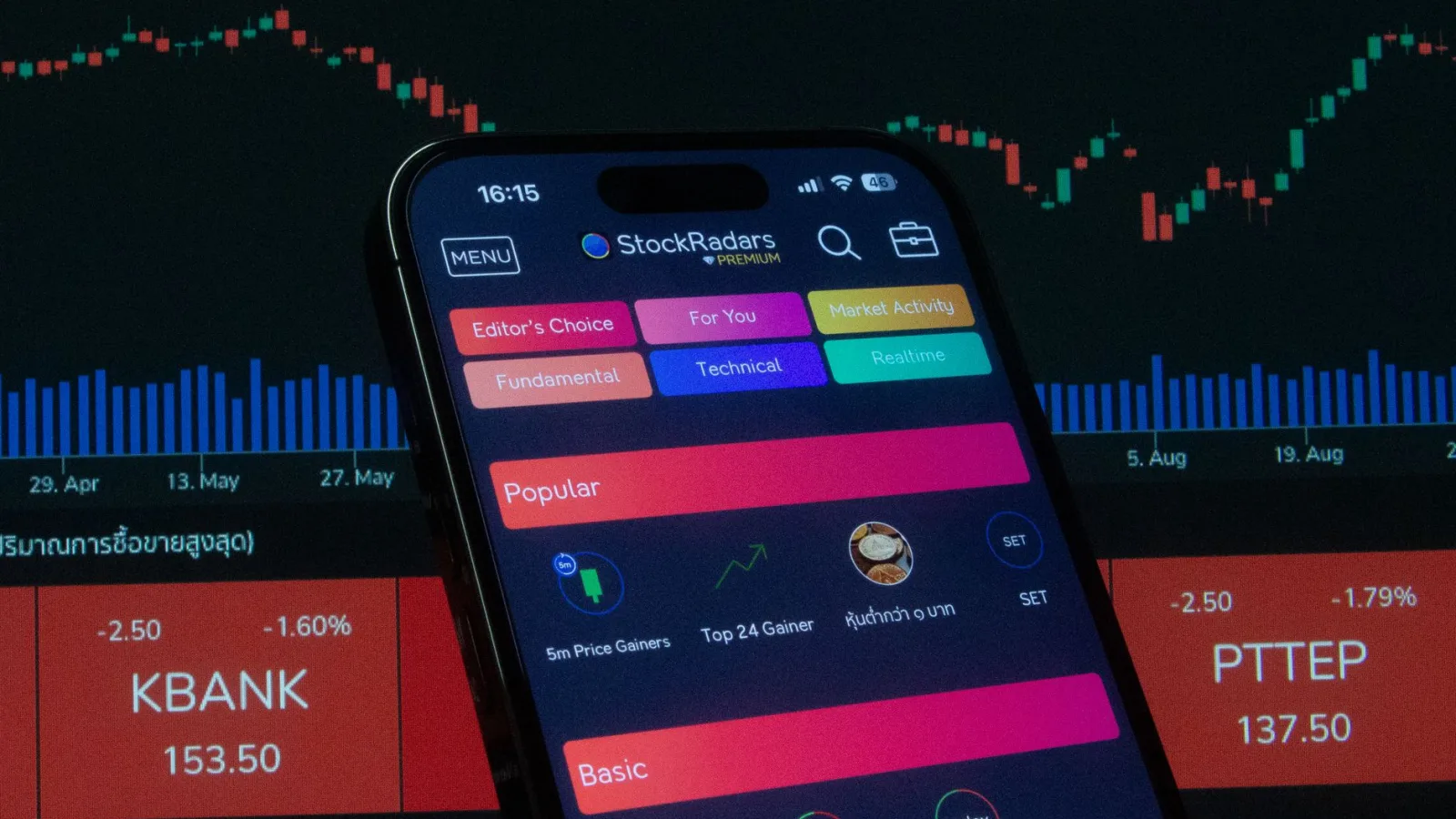
Global stock markets concurrently registered declines. Japan's Nikkei share index fell by 1.4%, while the South Korean Kospi dropped by 2.6%. In Europe, the Stoxx Europe 600, an index tracking the continent's largest companies, was down by 0.9%. Early trading on Thursday also saw the UK's FTSE 100 slip by 0.4%.