A collective of prominent energy companies, known as Humber Hydrogen, is urging the UK government to designate the Humber region as the host for the nation's inaugural integrated hydrogen network. The consortium, comprising National Gas, Centrica, Equinor, and SSE Thermal, contends that awarding contracts from the £500 million Hydrogen Transport and Storage Business Model (HTBM) to the Humber could safeguard up to 4,000 jobs within the steel and chemicals sectors.
Humber Hydrogen further claims that successful prioritisation of the region for this significant investment could foster the creation of an additional 700 apprenticeships. The calls come amid continued delays in the government's broader hydrogen strategy refresh, with decisions on HTBM contract awards still pending.
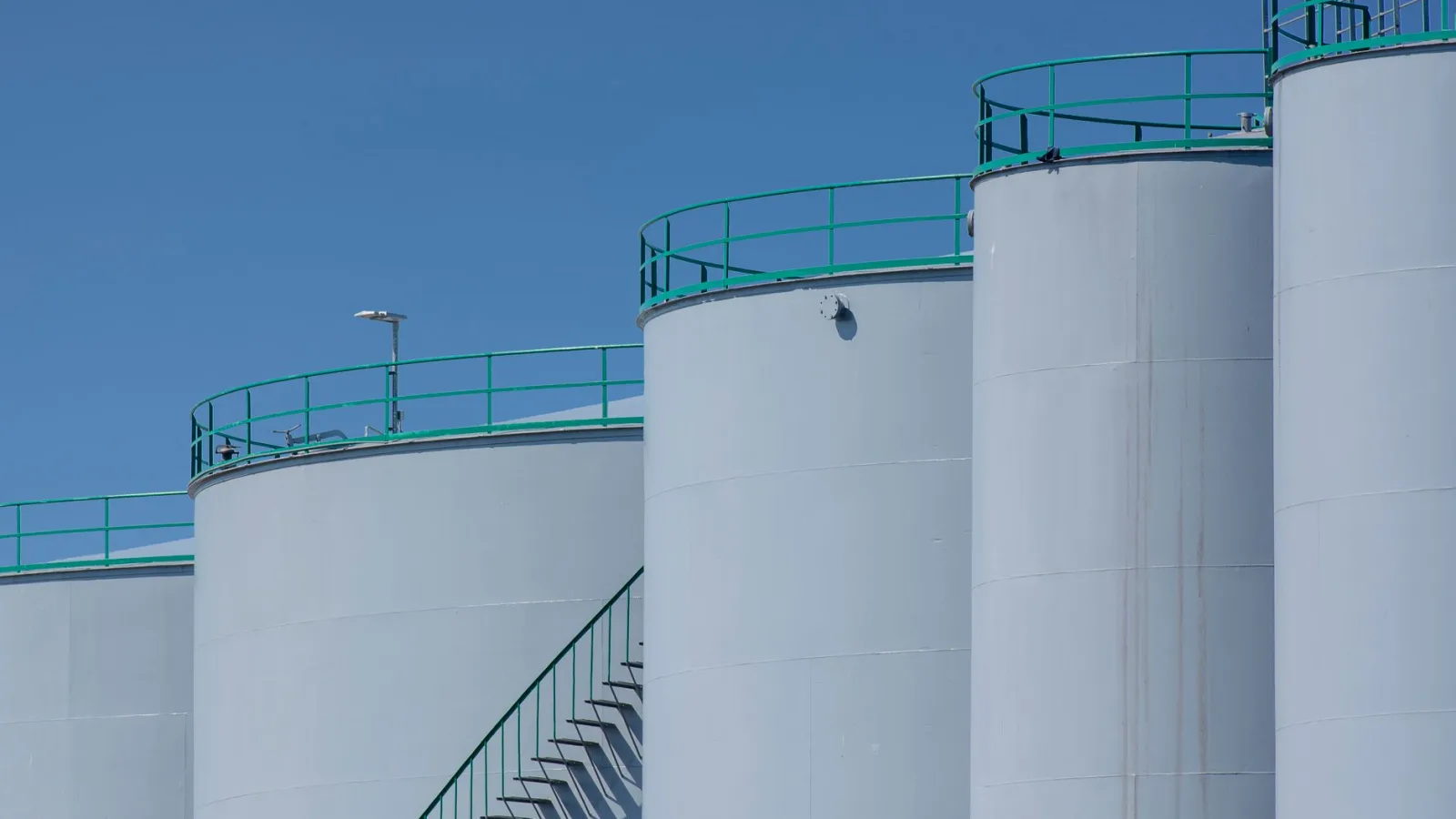
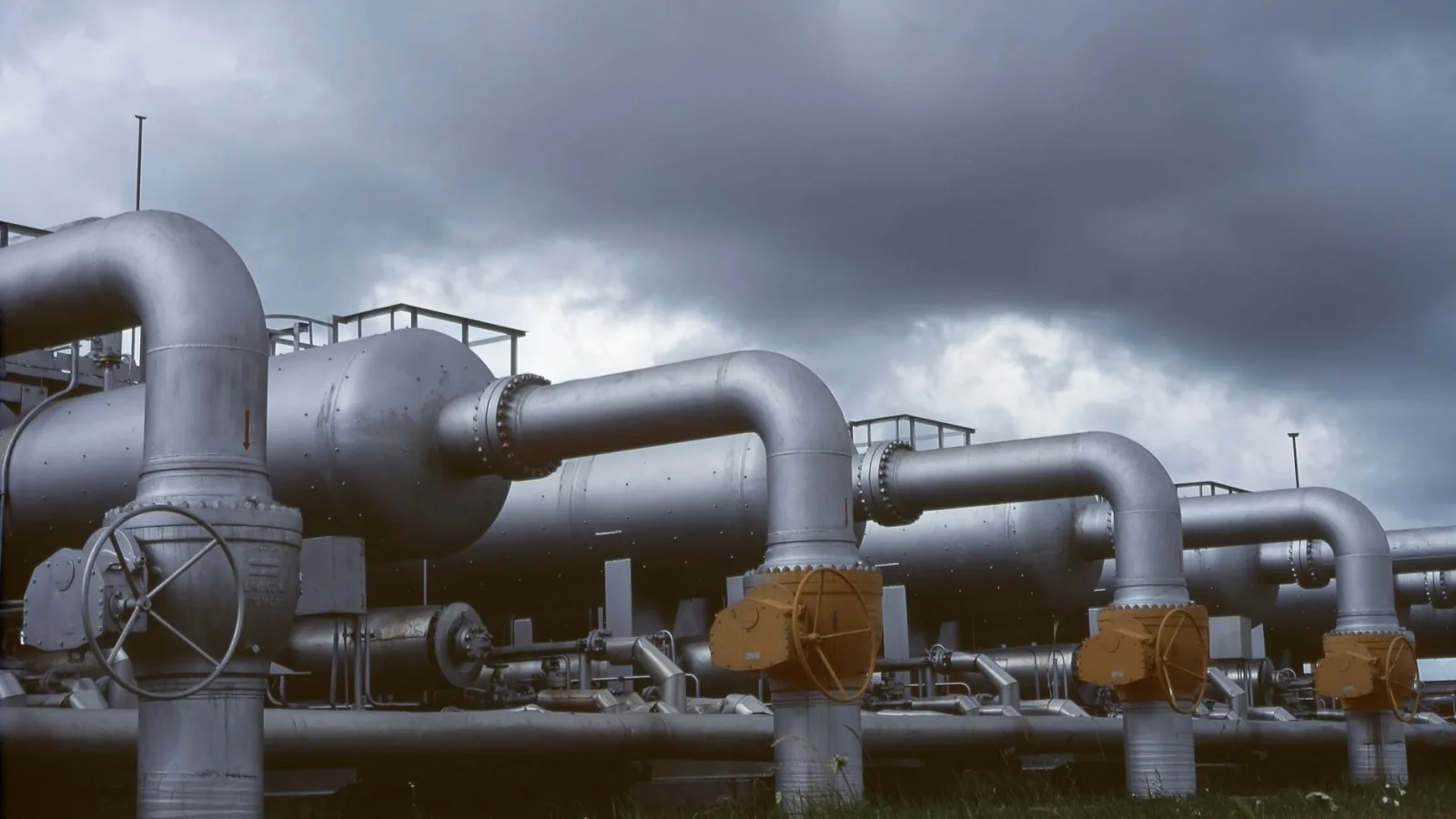
The planned HTBM is a subsidy framework developed by the Department for Energy Security and Net Zero (DESNZ). Its primary objective is to facilitate the development of crucial hydrogen transport infrastructure, such as pipelines and storage facilities, by bridging operational cost gaps for developers.
Ian Radley, chief commercial officer at National Gas, spoke on behalf of Humber Hydrogen at the launch of its analysis, emphasising the strategic importance of the region. "We’re calling on the UK Government to back the Humber as the obvious choice for Britain’s first hydrogen cluster," Mr Radley stated.
He added that "Developing this vital infrastructure in Yorkshire and Lincolnshire will bring significant investment to the region and create new opportunities for the communities that have powered British industry for generations. The Humber’s skilled workforce has been instrumental to Britain’s industrial success for decades and stands ready to lead the next chapter, unlocking the UK’s potential as a global leader in hydrogen."
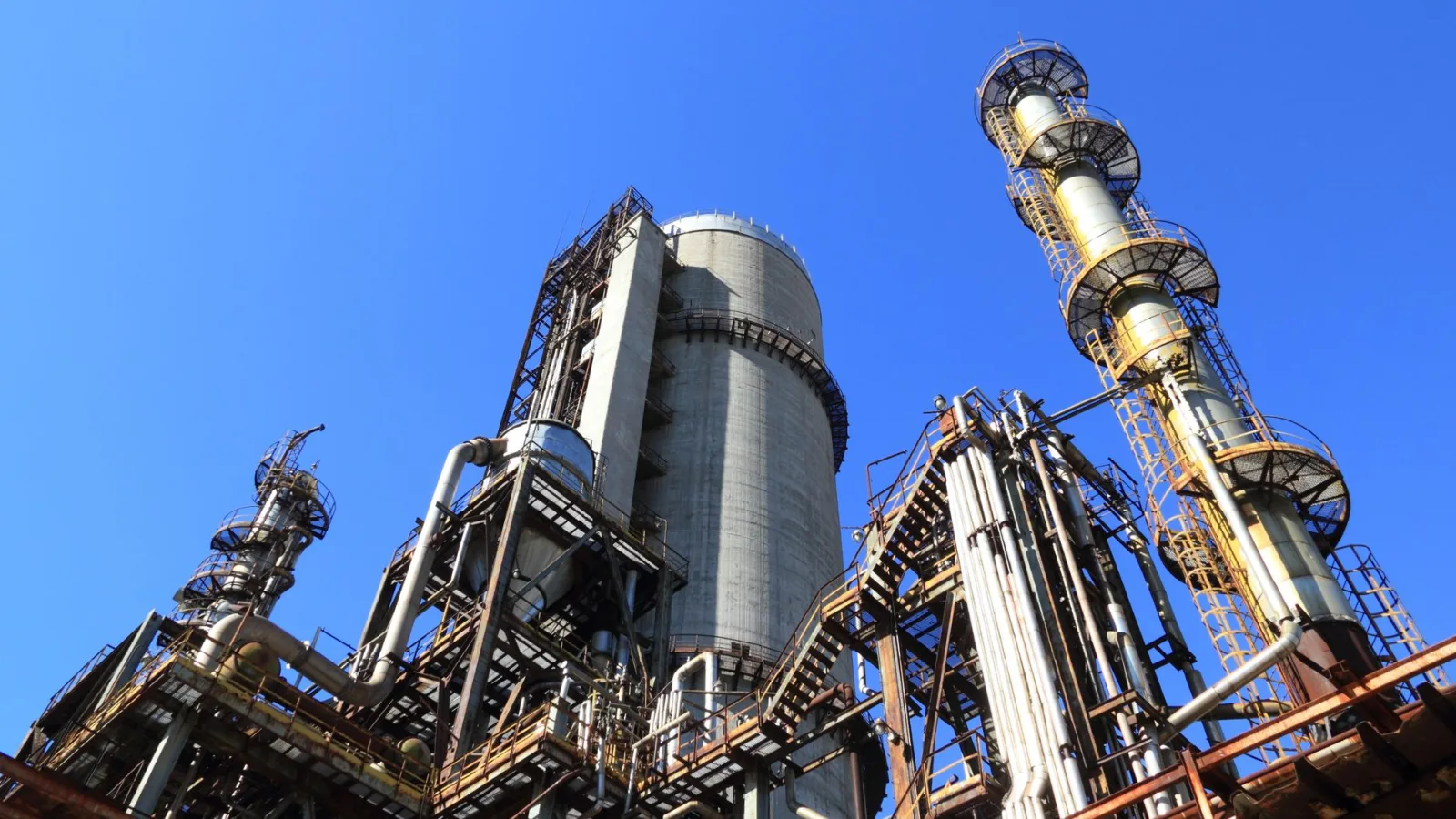
The consortium has highlighted several key projects already underway or planned in the Humber, reinforcing its case for regional selection. These include the 600 MW H2H Saltend low-carbon hydrogen production plant and the H2H Easington hub, which aims for an ambitious 2.2 GW of green and blue hydrogen production capacity. Additionally, Uniper’s Humber H2ub project received planning permission earlier this year, with aspirations to supply green hydrogen to the Phillips 66 Humber refinery by 2029.
Another integral component of the Humber Hydrogen vision is a proposed 34-mile underground pipeline, designed to connect hydrogen production, storage, and industrial users across both banks of the River Humber.
Beyond job preservation and creation, Humber Hydrogen projects that selecting the region for the HTBM could unlock up to £15 billion of private investment across the entire hydrogen value chain, encompassing production, storage, transportation, and end-use applications.
The government has completed market engagements and consultation rounds for the initial iteration of the HTBM. While contract awards remain pending, the Department for Energy Security and Net Zero has confirmed its intention to align selections directly with industrial clusters that received support through the first hydrogen allocation round (HAR1) in 2023.
The campaign by Humber Hydrogen has garnered support from significant quarters, including the major trade union GMB. Dave Douglas, GMB chair, expressed strong backing for the Humber's bid, linking it to broader industrial revitalisation. "GMB Union has long called for Government investment in our industrial heartlands," Mr Douglas commented.
He continued, "The project provides the perfect opportunity to reinvigorate a city once built on heavy industry and shipping through providing good, unionised jobs that deliver a twenty-first-century future for individuals, their families and their communities whilst simultaneously providing a just transition route for energy and manufacturing workforces."
The Humber region is not the only area in the North of England actively vying for government backing for hydrogen development. The HyNet alliance, which seeks to integrate a hydrogen network with its ambitious carbon capture and storage initiatives, has also lobbied the government for funding. This rival bid was endorsed by Andy Burnham, the Mayor of Greater Manchester, in a direct appeal to Energy Secretary Miatta Fahnbulleh, who is overseeing the selection process.