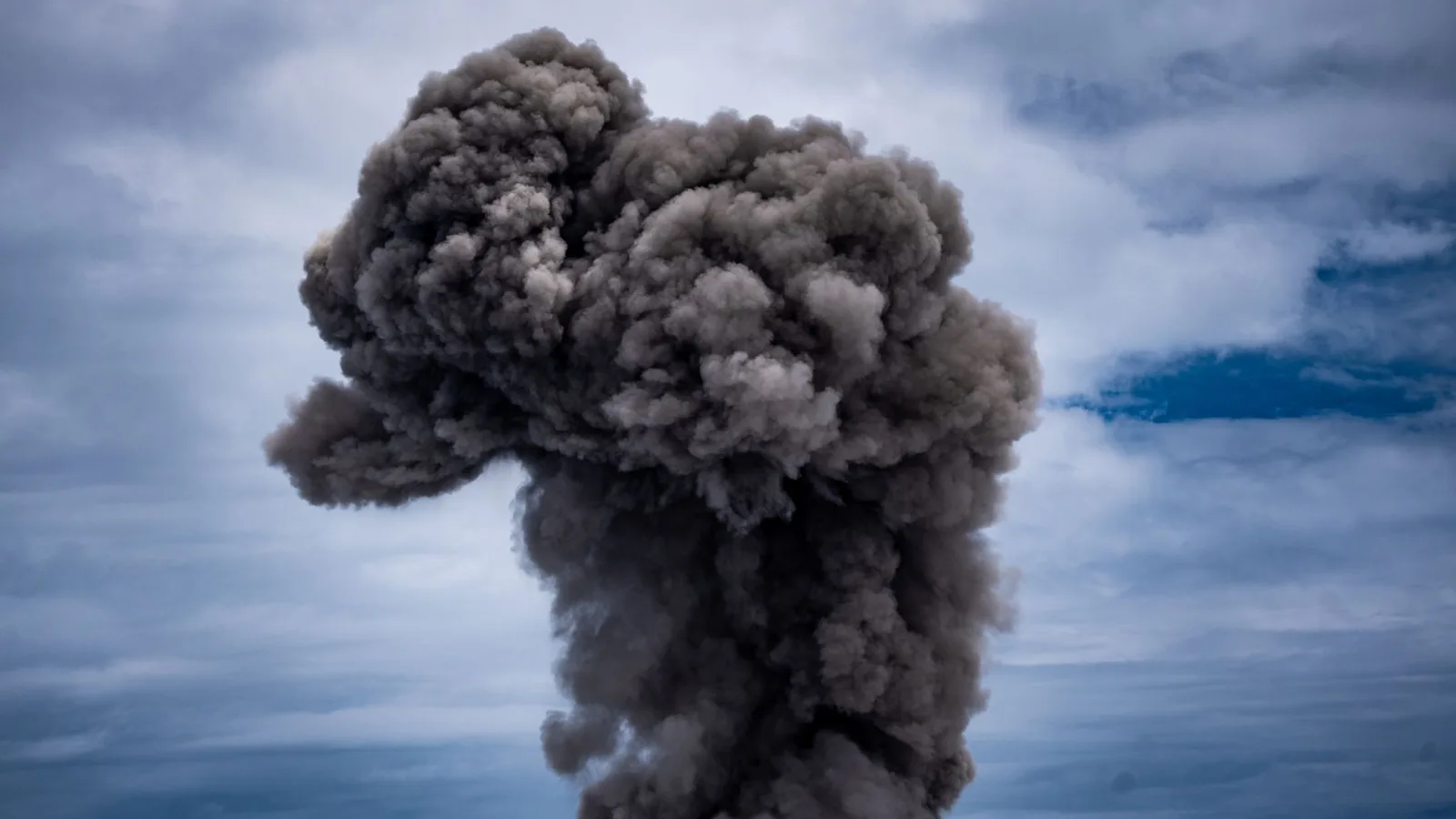
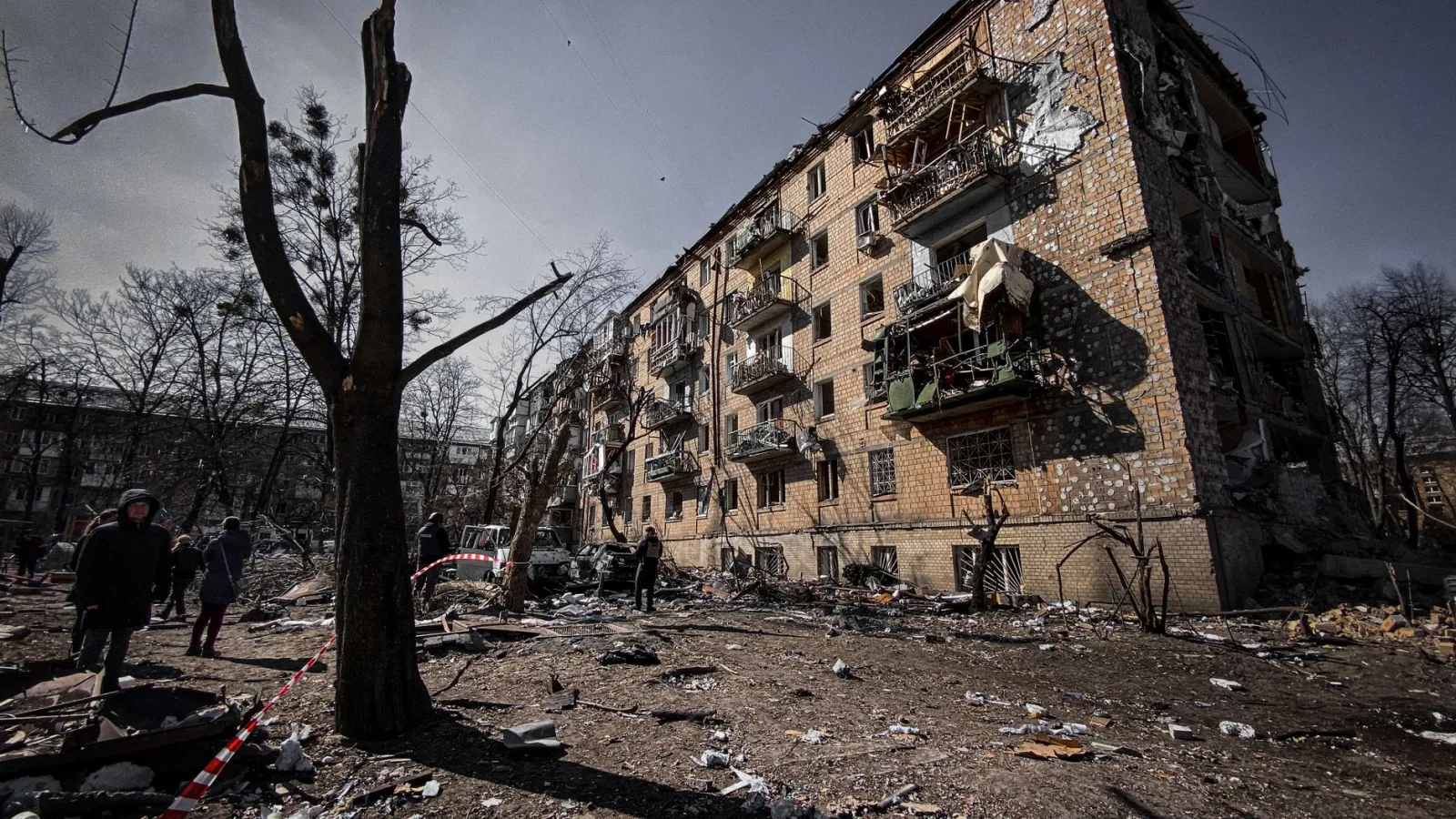
Ukrainian President Volodymyr Zelensky is expected to press Nato member states for additional air defence systems at a summit in Ankara, following a series of Russian missile strikes on Kyiv that killed more than 50 civilians in less than a week, according to Ukrainian officials.
The Nato meeting, scheduled for Tuesday and Wednesday, will bring together alliance members at a moment when Russian strikes on Ukrainian cities have intensified alongside Ukraine's own long-range drone campaign against Russian oil infrastructure and military targets. Zelensky is also expected to hold talks with US President Donald Trump on the sidelines of the summit.
According to Ukrainian officials, Zelensky intends to argue that Russia's continued strikes on civilian areas reflect strategic weakness rather than strength, and that President Vladimir Putin should be pressed towards negotiations for what Kyiv describes as a "dignified" peace settlement. Zelensky has previously said he hopes the Ankara talks will not be "empty", according to Ukrainian state media.
Nato Secretary General Mark Rutte has called on member states to "pull their weight" in supplying Ukraine with the defences it needs "to defend its sovereignty", according to a statement attributed to him. Rutte has also said Ukraine is "changing the dynamic on the battlefield", a reference to Kyiv's efforts to slow Russian advances in the east and to the impact of its recent drone strikes on Russian territory.
Ukraine's air force publishes daily figures on the number of Russian weapons launched and intercepted. Officials said that on Monday, nearly all drones fired at Ukraine were intercepted, but Ukrainian forces did not succeed in shooting down a single ballistic missile in that attack. Ballistic missiles travel at several thousand kilometres per hour, and Ukraine has said it lacks sufficient stocks of US-made Patriot interceptor missiles, which are currently the principal defence against such weapons.
In a video address on Monday, Zelensky criticised the pace of global production of air defence systems, saying it remained inadequate to protect civilian populations from ballistic missile attacks. He has repeatedly urged European allies to transfer their own Patriot stockpiles to Ukraine, arguing that systems held in storage provide no protection to civilians currently under attack.
Zelensky has also raised the possibility of Ukraine developing its own equivalent air defence systems with Nato assistance, citing the limited global supply of Patriot batteries and uncertainty over whether existing stockpiles would be sufficient if Russian ballistic missile attacks were to increase further.
The renewed Russian strikes have coincided with an intensified Ukrainian drone campaign targeting Russian oil refineries, military sites and infrastructure in Crimea, the peninsula annexed by Russia in 2014. Moscow's mayor, Sergei Sobyanin, said Russian air defences intercepted "most" of 430 drones launched towards the capital overnight, though the full extent of any damage was not immediately confirmed.
Russian authorities have reported fuel shortages and disruptions to power supplies following the strikes, with social media footage showing long queues at petrol stations in parts of Russia. Ukrainian drone strikes have also been reported on an oil terminal in St Petersburg, a refinery in Moscow, and, more recently, a refinery in Omsk, Siberia, roughly 2,500 kilometres from the Ukrainian border, according to reports cited by Ukrainian and international media.
In Crimea, residents have reported power cuts, fuel and food shortages, and the declaration of a state of emergency by local authorities. One resident told the BBC the situation had become "catastrophic", drawing comparisons with the economic disruption experienced in the region following the collapse of the Soviet Union in the early 1990s.
Ukrainian officials have characterised the drone campaign as an "influence" effort aimed at demonstrating the limits of Russian air defence capacity and increasing pressure on Moscow to consider negotiations. Zelensky has said Ukraine's aim is to secure a peace settlement that would not require ceding the entirety of the eastern Donbas region, which Russia continues to demand as part of any deal.
Trump spoke with Putin by telephone for approximately 90 minutes this week, according to statements from US officials, giving the Russian leader an opportunity to present his position on the conflict ahead of the Ankara summit. Trump has in recent weeks signalled a more favourable view of Ukraine's military position, though the substance of his discussions with Putin has not been fully disclosed.
Zelensky is expected to tell Nato allies and Trump that Ukraine has shifted momentum in the conflict through its combination of battlefield resistance and long-range strikes, and that continued support could help compel Russia towards substantive negotiations. Ukrainian officials have said the country is seeking to end the war "through strength or diplomacy" before the onset of another winter, during which Russian strikes on energy infrastructure have previously caused widespread disruption.
The Ankara summit will therefore serve both as a forum for alliance coordination and as a test of Western governments' willingness to expand military support for Ukraine at a moment when the conflict's trajectory remains uncertain. No formal decisions on new arms deliveries had been announced ahead of the meeting.